Reablement is about maximising potential. It is about supporting people to achieve what matters most to them, whether that is cooking a favourite meal, walking to the local shops, managing their own medication, or returning to social activities they value. It is rehabilitation delivered in the community, focused on the individual's own goals and priorities.
Reablement Care in Swindon
Reablement care is goal-focused, time-limited support designed to help individuals regain the independence and skills they have lost due to illness, injury, surgery, or deteriorating health. Rather than simply providing help with daily activities, reablement carers work with individuals to help them relearn, rebuild confidence, and achieve their own goals for independence.
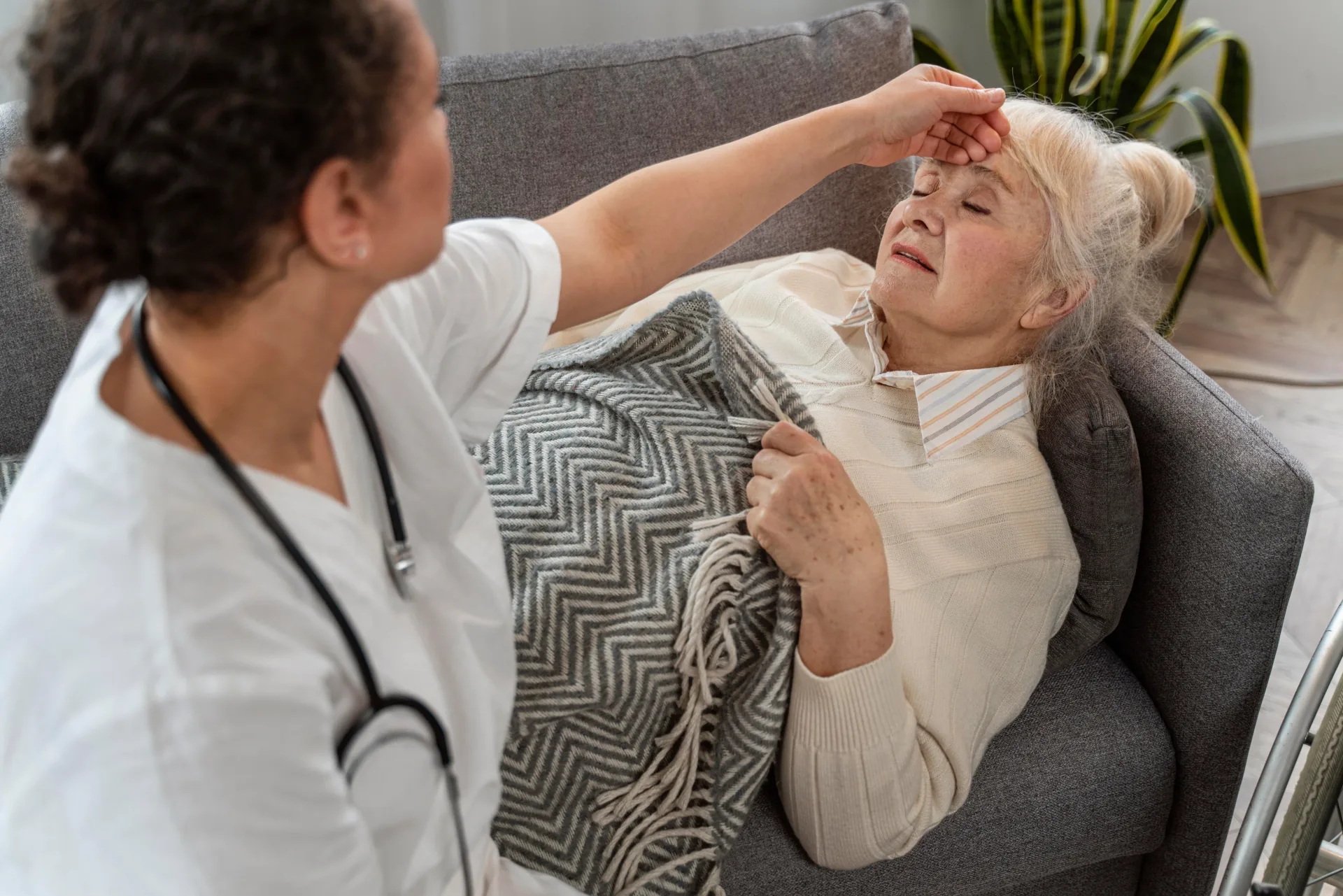
What is Reablement Care?
Reablement is a philosophy and approach to care that differs fundamentally from traditional domiciliary care. Reablement is time-limited, typically lasting between six and twelve weeks, and is intensely focused on helping individuals achieve specific, personal goals related to independence. Rather than making life easier by doing things for people, reablement workers support individuals to do things for themselves. The approach is underpinned by the principle that most people have more capacity and capability than they or others initially believe. Through skilled support, encouragement, and practice, individuals can rebuild abilities they thought they had lost.

Reablement Care vs Standard Domiciliary Care
The distinction between reablement and standard domiciliary care is important. Understanding the difference helps individuals and families make the most informed choice.
Standard Domiciliary Care
Focus on maintaining current functioning
Ongoing, long-term support
Making life easier by doing things for people
Carers do tasks on behalf of individuals
Focus on safety and sustained support
Reablement Care
Focus on improving functioning and regaining independence
Time-limited (typically 6–12 weeks)
Building ability, confidence, and skills
Carers support people to do things themselves
Focus on maximising potential and independence
Who Benefits from Reablement Care?
Reablement is appropriate for a broad range of individuals who have experienced a change in health or functioning and have the potential to regain independence. This includes people recovering from specific events and those experiencing gradual decline.
→
Reablement After Specific Events
Hospital discharge is a key opportunity for reablement. After discharge following surgery, stroke, hip fracture, or serious illness, individuals often need support to rebuild confidence and skills. Reablement at this point can accelerate recovery, reduce hospital readmission risk, and prevent unnecessary dependency.
→
Reablement for Gradual Decline
For individuals experiencing gradual decline due to dementia, Parkinson's disease, or other progressive conditions, reablement can slow the rate of decline and maintain independence for longer. Reablement workers teach strategies to manage symptoms, adapt environments, and maintain abilities despite progressive disease.
→
Reablement Following Deterioration
Sometimes individuals already receiving care experience sudden deterioration, a fall, an infection, a change in mental health that impacts their functioning. Targeted reablement at this point can restore abilities, prevent spiral into greater dependency, and revive confidence.
→
NICE Guidelines on Reablement
NICE Guideline NG74 on rehabilitation after critical illness emphasises the importance of early, structured rehabilitation to restore functioning and prevent post-illness complications. Whilst this guideline focuses on critical illness, the principles apply broadly to reablement after any significant health event. NICE emphasises that rehabilitation should be goal-focused, individualised, interdisciplinary, and progressively intensive. Our reablement service aligns fully with these principles, working collaboratively with therapists, health professionals, and the individual to achieve meaningful goals.
The Reablement Assessment Process
Good reablement depends on thorough assessment and detailed goal-setting. We invest time in understanding the individual's current functioning, their goals and aspirations, what matters most to them, and what they want to achieve.
→
Initial Assessment
We gather information about the individual's medical history, recent events that led to loss of independence, current medications, mobility and physical abilities, cognitive functioning, mental health, social circumstances, family support, housing, and what they did before their change in health. We observe how they move, their confidence levels, and what they struggle with.
→
Understanding Goals and Motivation
Crucial to reablement success is understanding what matters most to the individual. We ask what they want to achieve, what would make a difference to their life, what activities they want to do again. These goals become the focus of reablement. Motivation is key to success, so we ensure goals are meaningful to the individual, not just what professionals think they should achieve.
→
Identifying Barriers and Resources
We assess what is preventing the individual from achieving their goals. Is it physical weakness, confidence, skill loss, fear of falling, pain, cognitive difficulties, or environmental barriers? We also identify resources and strengths: what can the person still do, what strategies have worked in the past, what family or community support is available, what equipment might help?
→
SMART Goal Setting and Reablement Planning
Reablement goals must be specific, measurable, achievable, relevant, and time-bound (SMART). Vague goals like 'improve independence' are not useful. Clear goals such as 'walk to the corner shop and back independently' or 'prepare a simple meal without support' enable carers to target interventions and measure progress.
Goal Examples
01
Within 8 weeks
Walk to the local park and back without relying on a walking stick.
02
Within 6 weeks
Prepare breakfast independently each morning without supervision or reminders.
03
Within 10 weeks
Manage own medication without prompting.
04
Within 6 weeks
Climb the stairs to the bedroom independently, using the bannister as needed.
05
Within 8 weeks
Visit the local library and borrow books, managing transport independently.
06
Coordination with specialist palliative care
Prepare and cook a simple two-course meal for family visitors.
Stages of Support Withdrawal
Initial stage
Carer provides direct help, demonstrating techniques and building confidence. Individual observes and learns.
Intermediate stage
Individual attempts tasks with carer supporting, guiding, and correcting as needed. Carers gradually reduce physical support.
Advanced stage
Individual undertakes tasks independently whilst carer supervises, ready to intervene if needed. Verbal prompting may be necessary.
Final stage
Individual performs tasks entirely independently. Carer steps back, providing only oversight and monitoring.
Targeted Interventions
Key Reablement Interventions
Reablement interventions are targeted at the specific goals agreed with the individual and designed to progressively build independence.
Mobility & Strength Training
Many people lose strength and confidence after illness or falls. Reablement workers support individuals to build strength through gentle activity, walking, balance exercises, and practising functional movements. We follow physiotherapy guidance and progressively increase challenge as confidence improves.
Daily Living Skills Retraining
Cognitive impairment from stroke, dementia, or other causes can affect the ability to manage daily tasks. Reablement workers use structured practice, environmental cues, and reminder systems to help individuals relearn skills like personal care, kitchen tasks, and household management. Learn More
Kitchen and Meal Preparation
Being able to prepare food is central to independence. Reablement workers support individuals to regain kitchen confidence, practising meal planning, safe food handling, cooking techniques, and using kitchen equipment. This is highly motivating for most people.
Confidence Building
Fear of falling, anxiety about health, and loss of self-belief often prevent people from attempting tasks they are physically capable of doing. Reablement workers use encouragement, graduated exposure to feared activities, and celebrating small successes to rebuild confidence. This psychological support is as important as physical support.
Environmental and Equipment Modifications
Sometimes small environmental changes better lighting, removing hazards, rearranging furniture or equipment grab rails, raised toilet seats, mobility aids make significant differences to independence. We work with occupational therapists to identify necessary modifications.
Falls Prevention
Fear of falling is a major barrier to reablement. We assess fall risk, teach safe movement techniques, practise balance and strength, and implement environmental safety measures. Reassurance and supported practice help individuals regain confidence to undertake activities.
Measuring Outcomes and Progress
Reablement outcomes are measured against the goals set at the outset. We regularly assess whether individuals are progressing towards their goals, and adjust reablement plans as necessary. Outcome measurement includes both objective measures can the person walk to the shops? can they prepare a meal? and subjective measures do they feel more confident? has their quality of life improved?. We also measure usage of support services: if reablement is successful, individuals require less ongoing support.
Working with Health and Social Care Professionals
Reablement is most effective when coordinated with health and social care professionals. We work with occupational therapists, physiotherapists, speech and language therapists, GPs, district nurses, mental health services, and social care teams to ensure coordinated, comprehensive support.
Occupational Therapy Collaboration
Occupational therapists assess how to adapt environments and activities to support independence. We implement their recommendations, reinforcing strategies daily during reablement support.
Physiotherapy Integration
Physiotherapists prescribe specific exercises to rebuild strength and mobility. Reablement workers support individuals in completing these exercises regularly, ensuring correct technique and progression.

Leadership from Experience
Claire Lewis and Reablement
Earnest Support Care Ltd is led by Mrs Claire Louise Lewis, Registered Manager, who brings genuine expertise and passion to reablement services. Claire worked as a Reablement Support Worker in Swindon, directly supporting individuals to regain independence after illness, surgery, and hospital discharge.
This direct experience gives Claire an intuitive understanding of reablement principles, the challenges individuals face, and what works in practice. She has seen first-hand how reablement transforms lives, helping people recover abilities they thought were gone forever. This understanding shapes our approach and our commitment to reablement as a core service.
What Reablement Achieves
Research consistently demonstrates the benefits of reablement. Effective reablement results in:
Regained independence with activities of daily living
Improved confidence and self-belief
Reduced need for ongoing support
Lower rates of hospital readmission
Better quality of life and engagement in meaningful activities
Prevention of further deterioration
Greater community engagement and social participation
Improved mental health and wellbeing
Cost savings from reduced long-term care needs

FAQ
Frequently Asked Questions About Reablement Care at Home
Ten questions families often ask — answered with honesty and care.
How to Get in Touch

If you would like to discuss care within your location, we would be delighted to hear from you. Please contact us:
Our team is available to answer your questions and arrange a convenient time to discuss your care needs in detail.