
Loading Earnest Support Care

Specialist Older Adults Care Services at Home in Swindon

At Earnest Support Care Ltd, we provide specialist domiciliary care for older adults those aged 65 and beyond, supporting people through the changes and challenges of later life whilst maintaining independence, dignity, and quality of life. Our approach is informed by NICE NG21 Home Care for Older People and reflects contemporary best practice in ageing and elder care.

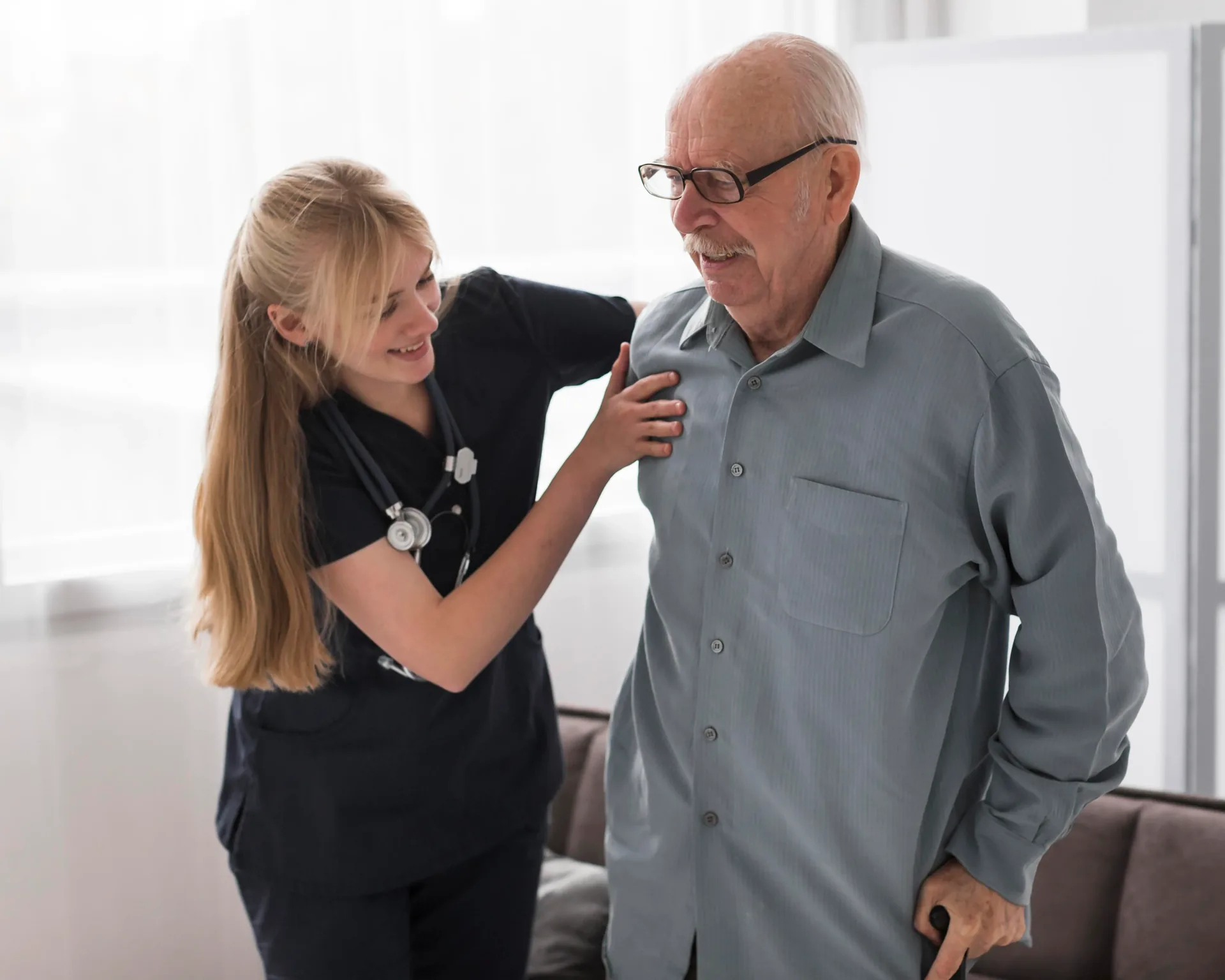
Care worker supporting an older person at home

Growing older should not mean leaving home. Many older adults in Swindon wish to remain in the familiar environments where they have built lives, raised families, created memories, and developed deep roots in their communities. With appropriate support, older people can remain at home throughout later life, avoiding unnecessary hospital or residential care placements.

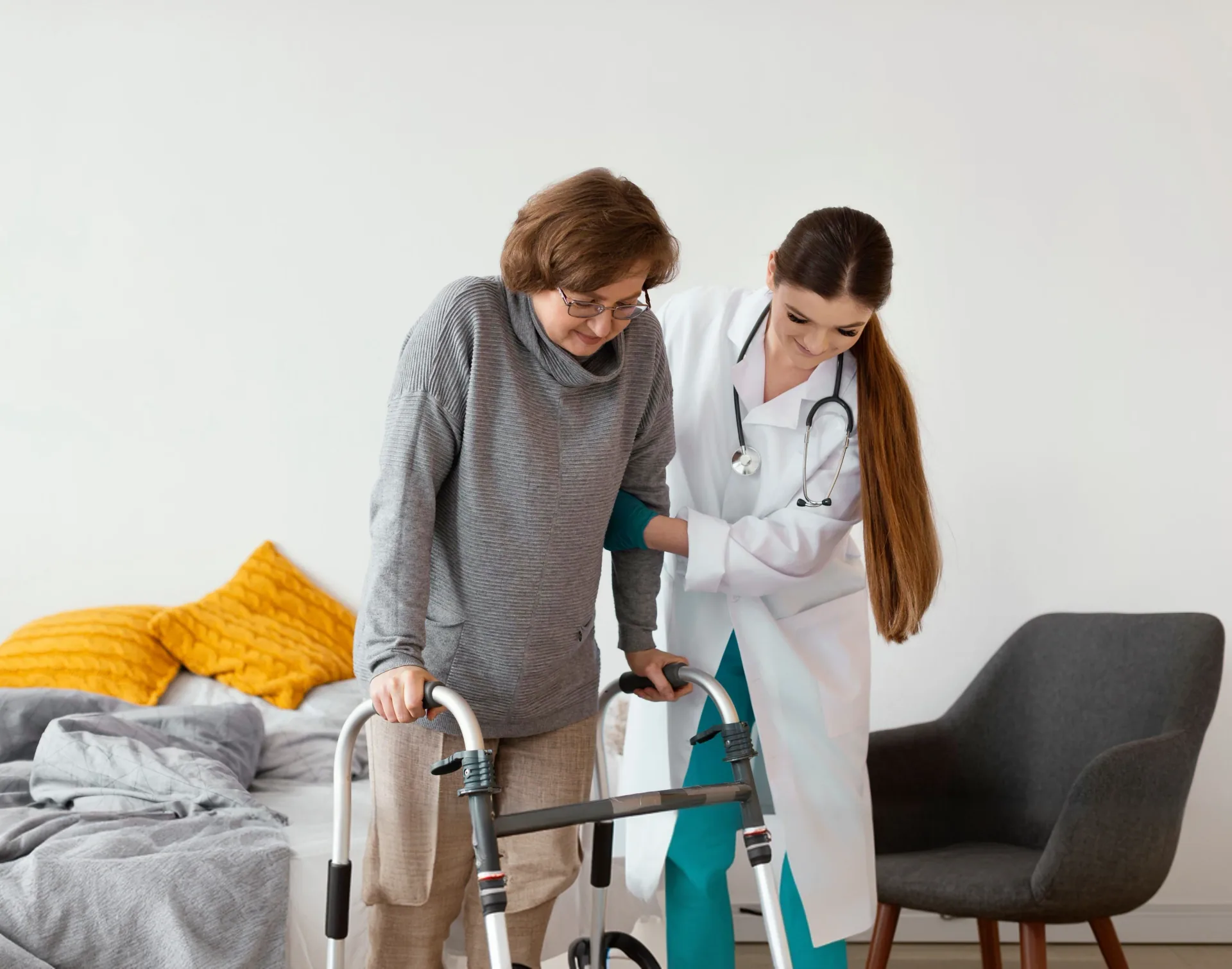
Care worker helping an older adult walk safely at home

Our Approach to Older Adults Care

Supporting older adults involves addressing not only their immediate care needs but also the broader context of ageing

Healthcare worker speaking with an older adult
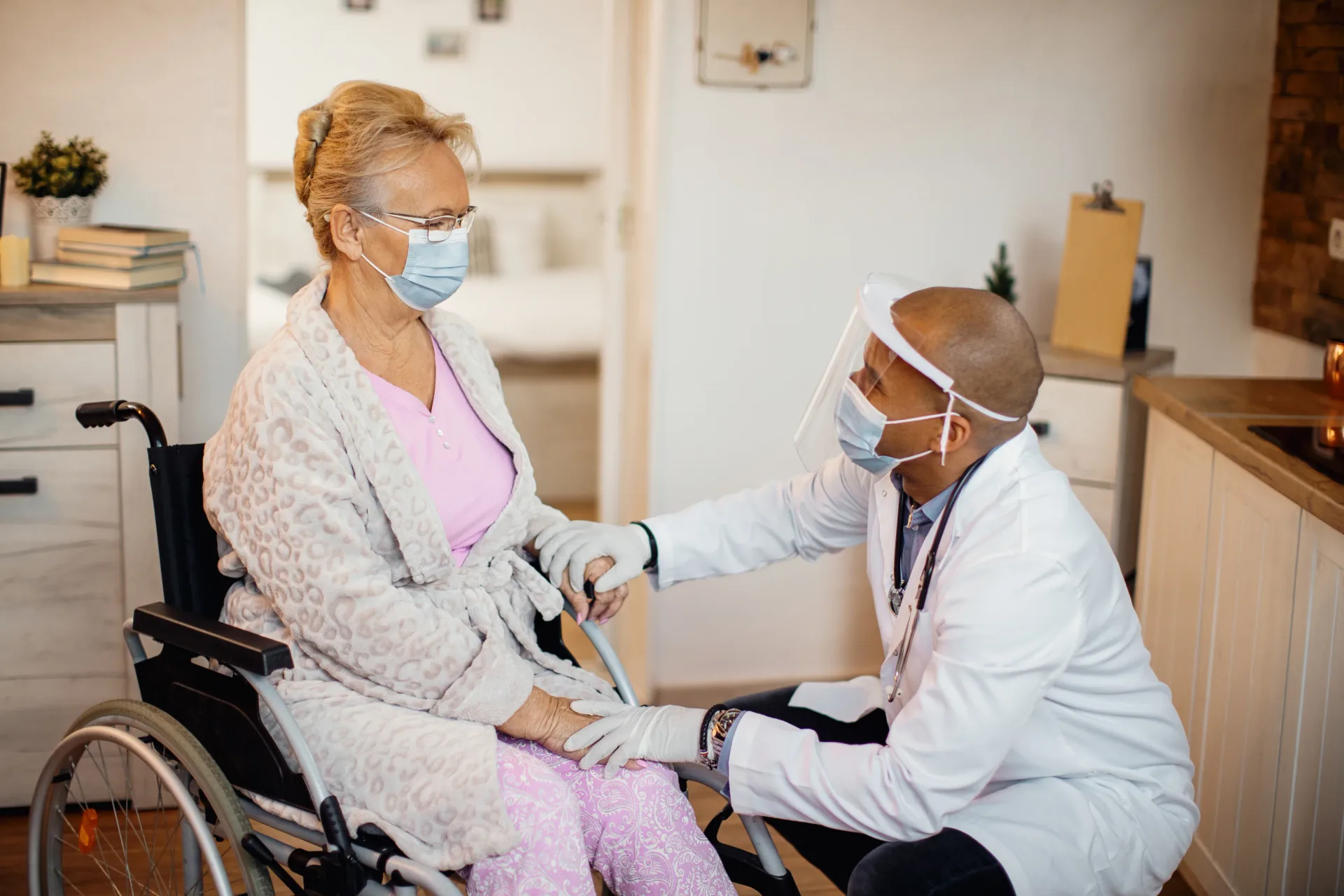
Healthcare worker supporting an older adult in a wheelchair

This includes:

01

Recognising the diversity of older people

Older adults are not a homogeneous group. Some are active and independent; others have significant health needs or disability. We tailor support to each person's individual needs and aspirations.

02

Maintaining independence and autonomy

We support independence in all aspects of life, recognising that maintaining autonomy is important to psychological wellbeing.

03

Supporting social connection

Loneliness and social isolation are serious health risks for older adults. We support meaningful social connections and participation in community.

04

Managing multiple health conditions

Older adults often have multiple chronic health conditions. We support effective management whilst avoiding polypharmacy and over-medicalisation.

05

Supporting goals and aspirations

Many older adults have aspirations and goals. We support people to work towards these, whether these are health goals, learning goals, relationship goals, or other goals.

06

Preparing for end-of-life

Many older adults wish to discuss end-of-life preferences and plan for the end of life. We support these conversations.

07

Providing holistic, coordinated care:

We work closely with GPs, community nurses, specialists, and other services to provide holistic, well-coordinated care.

Falls Prevention and Management

Falls are the leading cause of both unintentional injury death and non-fatal trauma-related disability in older adults. One in four people over 65 experiences a fall each year. Falls can result in fractures particularly hip fractures which can be life-threatening and often lead to loss of independence, reduced mobility, loss of independence, anxiety about falling again, and sometimes death. Yet falls are often preventable through appropriate assessment and intervention. We follow NICE CG161 guidance on falls prevention and undertake comprehensive falls prevention strategies.

Falls prevention strategies we implement include:

Environmental assessment and modification

Assessing your home for hazards (trip hazards, poor lighting, slippery floors, clutter) and making modifications to reduce risks. Installing grab rails, improving lighting, removing clutter, ensuring adequate space to move safely.
Mobility support and use of appropriate mobility aids

Providing support to move safely, ensuring mobility aids (walking frames, sticks) are used correctly and are in good condition.

Strength and balance training

Encouraging gentle exercise and activities that support strength and balance, in coordination with physiotherapy if needed.

Vision screening

Ensuring vision is adequate; poor vision increases fall risk. Promoting access to eye checks and glasses.

Medication review

Some medications increase fall risk (sedatives, blood pressure medications, pain medications). We support medication reviews with GPs.

Footwear and foot care

Ensuring appropriate footwear that supports balance and does not cause trips. Managing foot problems such as pain or nail care.

Management of postural hypotension

Some people experience dizziness or lightheadedness on standing. We support strategies to manage this.

Bone health

Supporting vitamin D and calcium intake, and supporting access to bone density screening if appropriate.

Assistive devices and protective equipment

Using walking frames, walker, walking poles as needed. Using hip protectors if at high risk of hip fracture.

Monitoring and assessment

Regular review of fall risk and updating prevention strategies based on any falls or near-misses.

Nutrition and Malnutrition Prevention

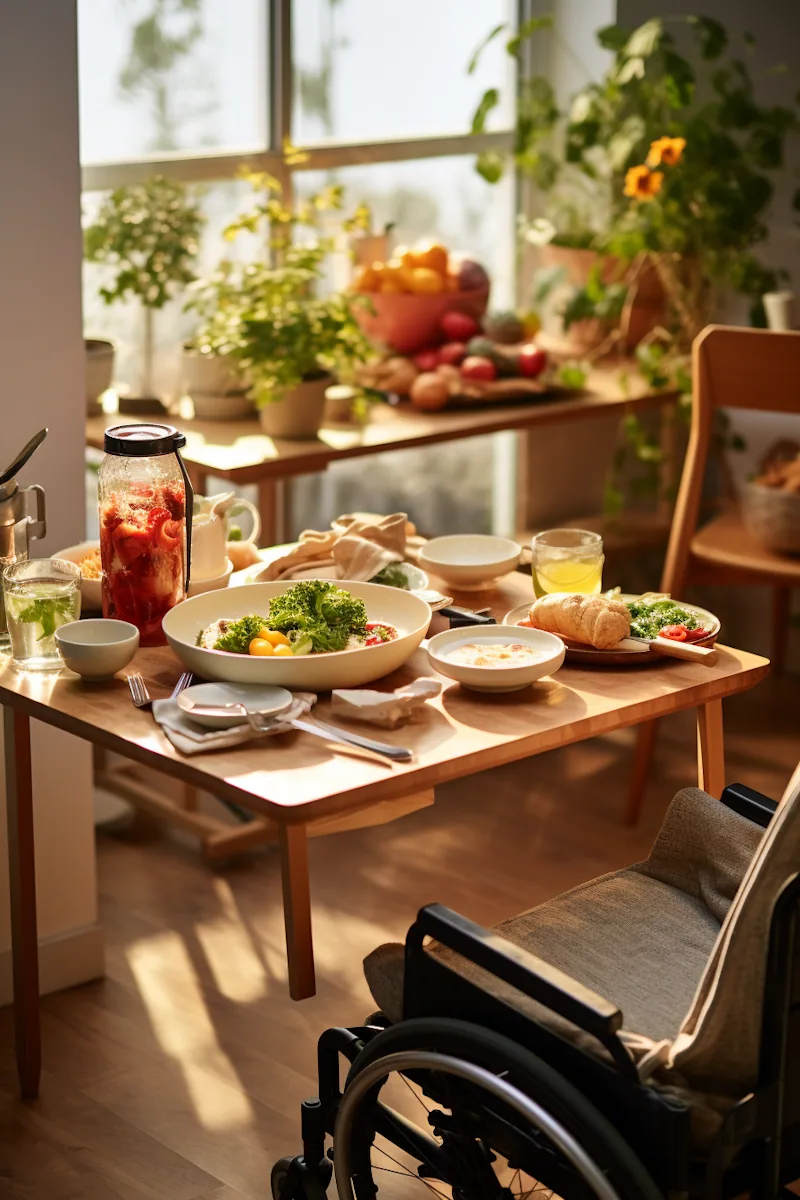
Adequate nutrition is essential to health, yet many older people struggle with nutrition. Malnutrition in older people leads to muscle weakness, poor immune function, slower wound healing, cognitive decline, and increased infection risk. We use the Malnutrition Universal Screening Tool (MUST) to identify people at risk of malnutrition and take appropriate action.

Nutrition support includes:

Nutritional screening

Using MUST to identify people at risk of malnutrition.

Meal planning

Planning nutritious meals based on preferences, dietary requirements, and any therapeutic diets.

Meal preparation

Preparing fresh, nutritious meals. Adapting texture or consistency if there are swallowing difficulties.

Support with eating and drinking

Assisting with eating and drinking if needed.

Dietary supplements

Using nutritional supplements if dietary intake is inadequate.

Monitoring

Monitoring weight, appetite, dietary intake, and signs of malnutrition. Reporting concerns to healthcare professionals.

Hydration

Ensuring adequate fluid intake to prevent dehydration.

Palliative Care and End-of-Life Support

Many older adults are living with terminal or life-limiting conditions. When recovery is not possible, the focus of care shifts from curative treatment to comfort, quality, and dignity in the time remaining. Palliative care is an approach to care that focuses on managing symptoms, supporting psychological and spiritual wellbeing, and helping people and their families prepare for end-of-life. We provide specialist palliative and end-of-life care support, guided by frameworks such as Gold Standards Framework and Dignity in Care principles.

Gold Standards Framework

Gold Standards Framework is a systematic approach to improving the quality of end-of-life care in the community. It involves:

Identification

Identifying people who are approaching the end of life and would benefit from palliative care approach.

Discussion

Having sensitive, timely conversations with the person and their family about their wishes, preferences, and priorities.

Planning

Developing a personalised end-of-life care plan reflecting the person's wishes.

Co-ordination

Ensuring all professionals involved in the person's care are aware of their wishes and are working towards the same goals.

Control of symptoms

Managing pain, breathlessness, and other distressing symptoms.

Support

Providing emotional, psychological, and spiritual support to the person and their family.

Our End-of-Life Care Support

Our end-of-life care support includes:

01

Symptom management

Supporting management of pain, breathlessness, nausea, constipation, anxiety, and other symptoms through medications, positioning, environmental modifications, and other strategies.

02

Personal care and hygiene

Providing respectful, gentle personal care, often with increased frequency as symptoms progress.

03

Emotional and psychological support

Providing emotional support to the dying person and their family, listening, presence, and compassionate care.

04

Spiritual support

Respecting spiritual and religious beliefs and supporting access to spiritual care if desired.

05

Family support

Supporting families to be present with their dying relative, answering questions, explaining what is happening, and providing practical and emotional support.

06

Coordination with specialist palliative care

Working with hospices, palliative care specialists, and other services to ensure optimal symptom management.

07

Support after death

Supporting the family in the period immediately following death, helping with practical arrangements, and signposting to bereavement support services.

08

Dignity in dying

Supporting the person to die with dignity, in their own home if possible, surrounded by those they love, with their preferences respected.

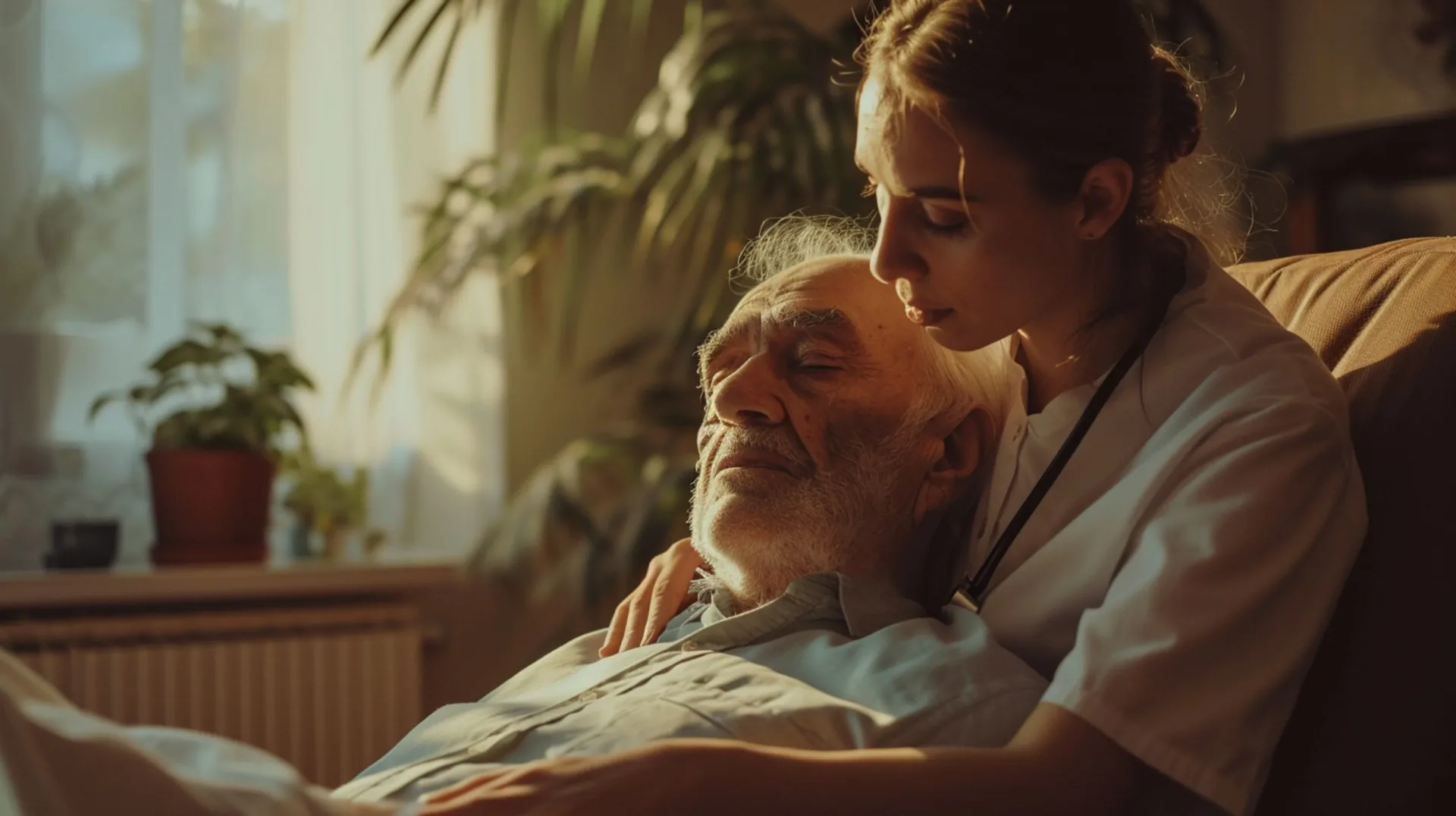
Care worker supporting an older person receiving end-of-life care

Prospect Hospice and Dorothy House Hospice

We work closely with local hospices including Prospect Hospice and Dorothy House Hospice in Wiltshire. These services provide specialist palliative care, symptom management advice, bereavement support, and sometimes inpatient care for people with terminal conditions. We coordinate with these services to ensure people have access to specialist advice and support when needed. Read More

Reablement and Rehabilitation

Reablement is a time-limited, intensive approach to rehabilitation focused on helping someone regain skills and independence following illness or hospitalisation. Rather than providing ongoing care indefinitely, reablement works to rebuild the person's abilities and confidence. We provide reablement support, particularly following hospital discharge. The goal is to help people regain independence where possible, reducing their long-term need for ongoing care support. Read More

Night Care and Overnight Support

Some older adults require support during the night. This may be due to insomnia, night-time toileting, confusion or anxiety during the night, or simply the need for someone present for safety and reassurance. We can provide night care, with care workers either spending the night in the home or attending scheduled night visits. Read More

Loneliness and Social Isolation Prevention

Loneliness and social isolation are serious health risks, associated with increased risk of physical illness, mental health difficulties, cognitive decline, and premature death. Yet many older adults experience significant loneliness, particularly if they have lost a partner, live alone, or have limited family support. We work to combat loneliness through companionship, supporting activities and community participation, and facilitating connections with others.

Loneliness prevention includes:
  • Companionship: Genuine companionship during care visits, meaningful conversation, and emotional support.

  • Social activities and outings: Supporting participation in community activities, hobbies, events, social groups, or spiritual services.

  • Technology and connection: Supporting use of technology to maintain contact with distant family members (video calls, emails, social media).

  • Befriending services: Signposting to befriending services and volunteer organisations.

  • Support for relationships: Supporting maintenance of important relationships with family and friends.

Support care specialist walking alongside an elderly client using a walker frame support
A clinical private nurse monitoring a senior patient's blood pressure parameters

Health Monitoring and Chronic Disease Management

Older adults typically have one or more chronic health conditions (e.g. diabetes, heart disease, COPD, arthritis). Good management of these conditions can prevent complications and hospitalisations. We support proactive health monitoring and management, including:

  • Medication management: Ensuring medications are taken as prescribed, monitoring for side effects, supporting adherence.

  • Regular health checks: Supporting access to GP health checks and regular monitoring.

  • Condition-specific monitoring: For example, monitoring blood pressure in hypertension, blood glucose in diabetes, or breathing in COPD.

  • Preventing deterioration: Identifying early signs of deterioration and escalating to healthcare professionals promptly.

  • Preventive health: Supporting preventive health measures (vaccinations, screenings, lifestyle modification).

Continence Support

Incontinence is common in older people but is not an inevitable part of ageing. Many cases of incontinence can be improved or managed effectively. We provide respectful continence support, helping people maintain continence where possible or manage incontinence with dignity and comfort.

Cognitive Changes and Dementia Support

Many older adults experience age-associated memory impairment or develop dementia. We support people experiencing cognitive changes through memory aids, simplified routines, familiar environments, and emotional support. For people with dementia, we provide person-centred dementia care support (for detailed information on dementia support, see our Dementia Care page).

FAQ

Frequently Asked Questions About Dementia Care at Home

Ten questions families often ask — answered with honesty and care.

Take the First Step

Ready to Arrange Companionship Care?

If you would like to discuss our services or arrange an assessment, please contact us. Our team is ready to guide you through the process with patience and professionalism.