Loading Earnest Support Care

Personal Care atHome in Swindon

Personal care is one of the most intimate and essential services we provide. At Earnest Support Care Ltd, we recognise that maintaining dignity, independence, and privacy during personal care is absolutely fundamental to a person's wellbeing, self-esteem, and quality of life. Our personal care services are delivered by trained, compassionate, and CQC-regulated care workers who understand the sensitivity of personal care tasks and are committed to providing support that respects individual preferences, cultural values, and personal autonomy. We believe that receiving personal care should enhance, not diminish, the person's dignity and sense of self.

What is Personal Care?

Personal care is defined by the Care Quality Commission and the Health and Social Care Act 2008 (Regulated Activities) Regulations 2014 as a regulated activity involving physical assistance with essential activities of daily living. These activities are those which any person would normally carry out without assistance, such as washing, dressing, toileting, eating, and drinking, but which the individual requires support to perform due to illness, disability, age, or cognitive impairment. Personal care differs from general housework or domestic support. Whilst a care worker may prepare a meal as part of support with eating and drinking, preparing meals for healthy family members would constitute housework rather than personal care.

However, assisting an individual to eat the meal, adapting food consistency for swallowing difficulties, or providing encouragement and support during mealtimes is personal care. Personal care requires registration with the Care Quality Commission, and our service is regulated and inspected to ensure we meet the Health and Social Care Act regulations. Our care workers undergo thorough recruitment checks, including Disclosure and Barring Service (DBS) clearance, and hold minimum Level 2 Care Certificate qualifications.

Services

Types of Personal Care We Provide

Washing and Bathing

Assistance with washing and bathing is one of the most common personal care needs. Our care workers support individuals to wash their face and hands, take showers, have baths, or use specialist washing facilities. We ensure that the water temperature is safe and comfortable, that the individual has privacy and dignity, and that bathroom safety is maintained to prevent slips and falls. For individuals with mobility difficulties, we use appropriate moving and handling equipment such as shower stools, bath lifts, or wet room facilities. For those with cognitive impairment, we provide clear, simple communication and reassurance.

We respect individual preferences regarding same-gender carers, cultural or religious practices around washing, and adaptations needed due to medical conditions. We use gentle, person-centred approaches that minimise distress and maintain comfort. Bathing and washing support includes thorough drying, application of moisturisers or prescribed creams, and assistance with getting dressed in clean clothes. For individuals with dermatological conditions, we follow medical advice regarding water temperature, duration of bathing, and application of treatments.


Dressing and Undressing

We support individuals to choose appropriate clothing, put on and take off garments, manage fastenings such as buttons and zips, and ensure clothing is comfortable and appropriate for the weather and the individual's activities. For those with limited mobility, we assist with sitting or standing balance, and we use techniques that minimise discomfort or distress. We work with individuals to maintain their personal style and identity through clothing choices, rather than selecting clothes for speed or convenience.

For those with dressing difficulties due to stroke, arthritis, or other conditions, we use adaptive techniques and aids to maintain maximum independence. This might include using elastic shoelaces, button hooks, or clothing with velcro fastenings. We support individuals to dress themselves to the extent they are able, providing assistance only where necessary. This approach preserves their skills and confidence.

Toileting and Continence Management

Support with toileting is one of the most sensitive personal care tasks. Our care workers assist individuals to use the toilet or commode safely, manage their clothing, perform genital and anal cleaning after toileting, and ensure dignity and privacy throughout. For individuals with continence difficulties, we provide support with incontinence pads or continence products, disposing of used pads appropriately and providing skin care to prevent breakdown. We recognise the emotional sensitivity around incontinence and toileting support, and our care workers are trained in compassionate, non-judgmental support.

We maintain individual preferences regarding timing, privacy, and specific techniques. We also provide advice on continence aids, fluid intake, and when medical referral may be appropriate. For individuals with faecal incontinence, we implement careful dietary and fluid management, toilet training techniques, and medications as prescribed. We work with continence nurses and GPs to address underlying causes and optimise management strategies.

Oral Care and Dental Hygiene

Personal care includes supporting individuals with oral hygiene, including assistance with brushing teeth, denture care, mouth rinses, and general oral health. Many individuals with cognitive impairment, physical disability, or advanced age require support to maintain oral hygiene effectively. Good oral health is essential to prevent infection, maintain nutrition, and preserve confidence in social situations. We provide support with regular tooth brushing, managing dentures if worn, and monitoring for signs of oral problems such as mouth sores, bleeding gums, or signs of thrush.

We encourage regular dental check-ups and communicate with healthcare professionals if dental problems are identified. For individuals with swallowing difficulties or dementia, we adapt oral care techniques to ensure safety and comfort. We use soft-bristled toothbrushes for those with gum sensitivity and provide fluoride treatments if recommended by dental professionals.

Skincare and Personal Hygiene

Beyond basic washing, personal care includes support with skincare, such as applying prescribed creams or ointments, caring for dry or sensitive skin, and monitoring for signs of skin breakdown or infection. For individuals with wounds, we support dressing changes as prescribed by healthcare professionals, though complex wound management would normally be coordinated with district nursing services. We also provide support with personal hygiene products, such as using deodorants, managing menstrual hygiene, and maintaining general cleanliness.

For individuals with conditions such as eczema, dermatitis, or skin infections, we ensure prescribed treatments are applied appropriately. We understand the importance of maintaining skin integrity, particularly for individuals at risk of pressure ulcers, and we monitor skin regularly for any signs of problems. We work closely with GPs and dermatology services to manage skin conditions effectively.

Hair Care and Shaving

Personal care includes support with hair washing, brushing, combing, and styling. Many individuals find regular hair care important to their sense of identity and wellbeing. Our care workers assist with washing hair in the shower or at a sink, managing long or difficult hair, and ensuring comfort throughout. For male service users, we provide support with shaving using either electric or manual razors, depending on individual preference and skin condition. For those with sensitive skin or at risk of cuts, electric razors are often preferred. We ensure shaving is carried out safely and comfortably.

Catheter Care

For individuals with indwelling catheters, personal care includes monitoring for signs of infection, assisting with genital hygiene around the catheter, ensuring the catheter is properly secured, and managing the drainage bag. We work closely with district nursing services to ensure catheter care follows prescribed protocols. Our care workers are trained in catheter care and understand the importance of aseptic technique to prevent urinary tract infections, which are common complications of catheter use. We monitor for signs of problems such as blockage, leakage, or urinary tract infection, and communicate with healthcare professionals promptly.

Stoma Care

Individuals with colostomies, ileostomies, or urostomies require support with stoma care, including assisting with pouch changes, managing stoma products, ensuring skin integrity around the stoma, and providing emotional support and practical advice regarding stoma management. Our care workers work closely with stoma care nurses and follow individualised protocols for stoma management. We help individuals maintain confidence and independence with their stoma, providing practical support and emotional encouragement.

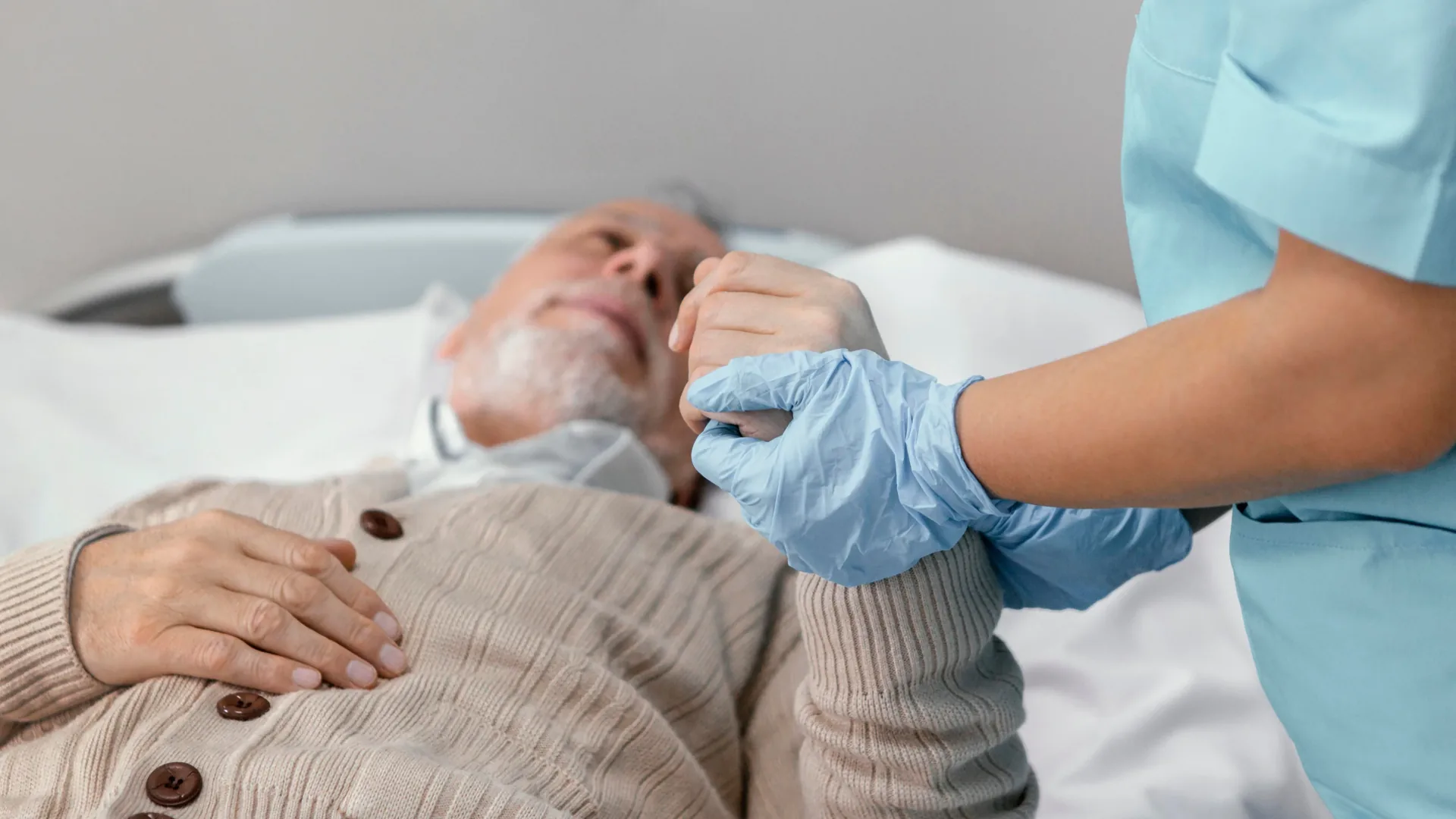
Care worker speaking kindly with an older person

Personal Care Preserves Dignity and Independence

At Earnest Support Care Ltd, we believe that personal care should preserve and enhance the individual's dignity, self-esteem, and independence. We do not simply perform tasks on behalf of individuals; rather, we work with them to maintain or improve their abilities and independence where possible. For example, rather than simply dressing an individual completely, we might support them to put on clothing they can manage themselves, assisting only with fastenings or items that are difficult to reach.

This approach maintains the individual's sense of control and self-efficacy. We provide encouragement and patience, allowing individuals to take time with tasks rather than rushing them. We also recognise that dignity goes beyond physical privacy; it involves respecting individual choice, listening to preferences, and supporting autonomy. If an individual prefers to wear pyjamas rather than day clothes, or prefers not to shower on a particular day, we discuss this respectfully and only override individual preference in clear safeguarding situations.

Person-Centred Personal Care Approaches

All personal care at Earnest Support Care Ltd is delivered using person-centred approaches, as required by the Health and Social Care Act regulations and emphasised in CQC assessment frameworks. Person-centred care means treating individuals as unique people with individual preferences, values, interests, and life histories, rather than applying a one-size-fits-all approach. During our assessment visit, we take time to understand the individual's preferences for personal care.

Do they prefer showers or baths? Do they have religious or cultural considerations regarding personal care? Do they have a same-gender carer preference? What activities or environments help them feel most relaxed? What communication approaches work best? By understanding these preferences and incorporating them into care plans, we ensure that personal care is delivered in a way that feels respectful and comfortable for each individual. Our Registered Manager, Mrs Claire Louise Lewis, ensures that all care is delivered to these high person-centred standards.

Same-Gender Care Preferences

We understand that many individuals prefer to receive personal care from a carer of the same gender, particularly for intimate tasks such as toileting, bathing, or continence support. We make every effort to meet these preferences, as they are important to dignity and comfort.

When booking personal care with Earnest Support Care Ltd, we will discuss gender preferences and ensure, as far as possible, that your preferred care worker is assigned to you. Occasionally, due to staff availability or emergency situations, it may not be possible to provide same-gender care, and we will discuss this with you openly.

Cultural and Religious Considerations

Personal care must be delivered with sensitivity to cultural and religious backgrounds. Different cultures and religions have different views about modesty, appropriate dress, prayer, dietary requirements, and family involvement in care. Earnest Support Care Ltd is committed to delivering culturally sensitive personal care that respects these values. For example, some individuals may require assistance with prayer or spiritual practices as part of their daily routine. Some may have specific modesty requirements, such as keeping certain body parts covered at all times. Some may have dietary requirements relating to religious observance.

We discuss these considerations during assessment and incorporate them into care planning. Our care workers receive training in cultural competence and are encouraged to ask respectful questions to understand individual needs and preferences. We also recognise that families may play important roles in personal care decisions and may wish to be present during some care activities.

Moving and Handling During Personal Care

Personal care often involves supporting individuals who have limited mobility or balance difficulties. Moving and handling is a critical safety issue, and all our care workers are trained in safe moving and handling techniques in accordance with the Manual Handling Operations Regulations 1992. Our care workers understand the importance of using appropriate equipment such as transfer belts, slide sheets, or hoists, rather than relying on manual lifting or pulling. They are trained in assessing individual risks, such as risk of falls or injury during transfers, and in using techniques that minimise risk whilst maximising independence and comfort.

We conduct individual moving and handling risk assessments and ensure that care plans include detailed moving and handling protocols. These are regularly reviewed and updated if the individual's mobility changes. Our moving and handling training is delivered by qualified trainers and includes practical assessment of competency.

Personal Care for Specific Conditions

Personal Care for Dementia

Personal Care for Dementia

Individuals with dementia often require significant personal care support, yet many find personal care tasks distressing due to confusion, fear, or communication difficulties. Our care workers are trained in dementia-aware personal care approaches that prioritise understanding the individual's perspective and emotional state. We use techniques such as clear, simple communication, maintaining consistent routines, allowing extra time, and using non-verbal communication such as smiling or gentle touch.

We recognise that behaviour that might appear challenging, such as reluctance to wash or dress, often reflects fear, confusion, or past trauma, rather than obstinacy. We work patiently to understand the cause and adjust our approach accordingly. We also use life story work and reminiscence to help individuals feel more comfortable and engaged during personal care.

Personal Care for Physical Disability

Personal Care for Physical Disability

Individuals with physical disabilities such as spinal cord injury, cerebral palsy, or multiple sclerosis may require highly individualised personal care approaches. We work with the individual and any healthcare professionals involved to understand specific needs and adaptations required. We may use specialist equipment, modified techniques, or additional time to ensure that personal care is delivered safely and comfortably.

We also recognise the importance of maintaining fitness and function, and we work with physiotherapists or occupational therapists to ensure that personal care supports, rather than undermines, rehabilitation goals.

Personal Care After Stroke

Personal Care After Stroke

Stroke survivors often have specific personal care needs related to physical weakness, cognitive difficulties, communication problems, or emotional changes. Our care workers understand stroke recovery and are trained to support individuals during rehabilitation, using techniques that encourage maximum independence whilst ensuring safety.

Care Certificate Standards and Professional Qualifications

All personal care at Earnest Support Care Ltd is delivered by care workers who hold a minimum of a Level 2 Care Certificate or equivalent qualifications. The Care Certificate is a nationally recognised qualification that ensures care workers have met standards in areas such as understanding health and social care, safeguarding, duty of care, equality and diversity, and basic care practices. Many of our care workers hold Level 3 or higher qualifications, such as Level 3 Diploma in Health and Social Care or nursing qualifications.

All personal care staff are required to maintain annual training updates in areas such as safeguarding, health and safety, moving and handling, and infection control. Our care workers also receive induction and on-the-job training specific to the individuals they support, ensuring they understand that person's particular needs, preferences, and care protocols.

We conduct regular supervision and competency assessments to ensure ongoing quality. Our Nominated Individual, Gideon Ogunwale (RGN/RMN), provides specialist oversight of all clinical care.

How We Assess Personal Care Needs

When you contact Earnest Support Care Ltd to arrange personal care, we begin with a comprehensive assessment process. Initially, we conduct a telephone consultation during which we discuss your general health status, mobility, continence, personal care needs, and any specific concerns or preferences. Following this, we arrange a detailed face-to-face assessment visit.

During this visit, a senior care worker or the Registered Manager will meet with you and family members if you wish, visit your home, observe your environment and any barriers to personal care, discuss your preferences and values, and develop a personalised care plan. We assess your ability to perform each personal care task independently, the level of assistance you require, any safety concerns, your preferences regarding carer gender or timing, and any cultural or religious considerations.

We also consider whether equipment adaptations such as shower stools or rails might help you maintain independence. This assessment is documented in detail in your care plan, and the plan is reviewed at least every 12 weeks, and more frequently if your needs change.

FAQ

Frequently Asked Questions About Dementia Care at Home

Ten questions families often ask — answered with honesty and care.

How to Get in Touch

If you would like to discuss live-in care for yourself or a loved one, we would be delighted to hear from you. Please contact us: Our team is available to answer your questions and arrange a convenient time to discuss your care needs in detail.