

Loading Earnest Support Care
24 Hour Home Support

Live-in Care in Swindon

At Earnest Support Care Ltd, we understand that some individuals require support that goes beyond traditional visiting care. Live-in care offers continuous, round-the-clock assistance, enabling people to remain in the comfort and familiarity of their own homes whilst receiving the professional care they need.

Whether you are navigating complex health conditions, recovering from an illness, or managing the challenges of ageing, our live-in care services are designed to provide dignified, person-centred support tailored to your specific circumstances.

Care worker supporting a person in bed
Care worker assisting an older person with mobility
Nurse checking blood pressure at home
24-Hour Continous Support
CQC Registered Support
Nursing-Led Clinical Team
Person-Centred Care

What is Live-in Care?

Live-in care, also known as 24 hour care at home, is a form of home-based care in which a trained and qualified carer lives in your home, providing assistance throughout the day and night. Unlike visiting care, which consists of scheduled appointments, live-in care ensures that support is always available. A live-in carer typically works shifts of approximately five days per week, with additional cover arranged for their days off to maintain continuity of care. This model of care is particularly suited to individuals who require frequent assistance or who may need urgent support at any time.

Regulatory Standards

Nursing-Led Care Built on CQC Standards

As a CQC-registered, nursing-led domiciliary care provider, Earnest Support Care Ltd delivers live-in care that is managed by registered nurses and experienced care professionals. Our approach is grounded in the Health and Social Care Act 2008 (Regulated Activities) Regulations 2014 and the CQC Key Lines of Enquiry (KLOEs), ensuring that all aspects of care; safety, effectiveness, responsiveness, caring and well-led; are rigorously maintained.


Learn More
Nurse checking an older person's blood pressure at home

Who Can Benefit from Live-in Care?

Older Adults (65+)

Older adults aged 65 and over who wish to remain independent and in their own homes.

Physical Disabilities

Individuals aged 18–65 with physical disabilities or chronic health conditions.

Living with Dementia

People living with dementia who require constant supervision and reassurance.

Mental Health Conditions

Those with mental health conditions who benefit from consistent support.

Learning Disabilities & Autism

Individuals with learning disabilities or autism who require ongoing assistance with daily living.

Post-Surgery Recovery

People recovering from major surgery or serious illness who require intensive short-term support.

End of Life Care

Those at the end of life who wish to remain at home with dignity and comfort.

Complex Medical Needs

Individuals with complex medical needs that demand regular clinical interventions.

Expert Clinical Oversight

Our Nominated Individual, Gideon Ogunwale, is a dual registered Nurse (RGN/RMN) specialising in complex clinical care including venepuncture, tracheostomy care, PEG feeding, catheter management, stoma care and wound management. This ensures that individuals with particularly demanding clinical needs receive expert oversight and intervention.

Understanding the Difference

How Live-in Care Differs from Visiting Care

Visiting care and live-in care serve different purposes and suit different circumstances

Visiting Care

Visiting care, also called domiciliary care, involves support workers calling at scheduled times; typically for 30 minutes to two hours per visit. This model suits individuals who are relatively independent and require assistance with specific tasks such as personal hygiene, medication administration, meal preparation or household support.

The costs also differ significantly. Visiting care is typically charged per visit or per hour,

Learn More

Live-in Care

Live-in care, by contrast, involves a carer residing in the individual's home and providing continuous support. This approach is advantageous for those who cannot safely manage periods without support, who require help at unpredictable times, or who need substantial assistance across multiple areas of daily living.

The presence of a live-in carer provides not only practical assistance but also companionship, reassurance and a sense of security. For family carers, live-in care can provide essential respite and may reduce the risk of carer burnout. From a therapeutic perspective, having consistent care from a known carer can improve emotional wellbeing, particularly for individuals with dementia or mental health conditions.

Although live-in care may initially appear more expensive, when calculated on a cost-per-hour basis, it can represent better value for individuals requiring many hours of support weekly. It is usually charged at a weekly or daily rate.

How It Works

The Process of Arranging Live-in Care

A detailed process designed to assess your needs, develop a tailored care plan, match you with the right carer and provide ongoing supervision

Care worker speaking with an older person at home
STEP 01

Initial Assessment

The journey towards live-in care begins with a comprehensive assessment. When you contact Earnest Support Care Ltd, our team will discuss your circumstances, care requirements, and expectations. This conversation may take place over the telephone or at your home, depending on your preference. During this initial chat, we aim to understand not only your care needs but also your lifestyle, preferences, personality and any particular requirements that might influence carer matching. We assess factors such as mobility, continence, cognitive function, communication needs, medical conditions, medication requirements, lifestyle preferences and family dynamics.

Learn More
STEP 02

Care Plan Development

Following the initial assessment, our Registered Manager, Mrs Claire Louise Lewis, and our clinical team will develop a detailed, personalised care plan. This document sets out the specific care and support you require, how it will be delivered, and the desired outcomes. The care plan is not static; it is regularly reviewed and updated as circumstances change. Our care plans are developed in accordance with the CQC Health and Social Care Act regulations and NICE guidelines, ensuring that they are centred on your needs, preferences and aspirations.

Learn More
STEP 03

Carer Matching and Introduction

Identifying the right carer is crucial to the success of a live-in care arrangement. We do not simply assign the first available person; rather, we invest time in matching. Our team will identify a carer whose skills, experience, personality and availability align with your requirements. Where possible, you will have an opportunity to meet the carer before they begin, building confidence and rapport. We recognise that for many service users, the carer becomes part of the household, so compatibility is essential.

Learn More
STEP 04

Training and Induction

Before commencing live-in care, the carer will receive comprehensive induction training specific to your needs. This covers your medical history, care plan, medication administration, emergency procedures, your home environment and safety systems. For individuals with specialist needs; such as diabetes management, catheter care, or dementia support; the carer will receive additional training to ensure they are competent in all aspects of care.

Learn More
General Framework

What Does a Typical Day Look Like?

A typical day in a live-in care arrangement is structured around your individual daily routine and preferences. Whilst each day is unique, a general framework might look like this:

01

Morning routine

The carer assists with waking, personal hygiene, dressing and breakfast

02

Medication administration

Any prescribed medications are administered at the appropriate times

03

Activities and engagement

Depending on your mobility and interests, activities might include going to appointments, shopping, hobbies, socialising or simply relaxing at home

04

Meal preparation and nutrition

The carer prepares nutritious meals and encourages adequate hydration

05

Afternoon activities

Further support with activities, appointments or rest as needed

06

Evening routine

Support with dinner, personal care, preparing for bed and settling down for the night

07

Night-time support

The carer is available throughout the night should you require assistance, with sleeping arrangements organised to allow both rest and responsiveness to needs

Getting it Right

Matching Carers to Clients

Good carer matching is fundamental to successful live-in care. At Earnest Support Care Ltd, we employ a rigorous matching process that considers far more than just availability. We assess:

01

Clinical skills and experience

Does the carer have experience with your specific health conditions or care needs?

02

Personality compatibility:

Will you get along? Personality compatibility matters when someone is living in your home

03

Communication style

Does the carer communicate in a way you find helpful and respectful?

04

Lifestyle and interests

Do you have shared interests or compatible daily rhythms?

05

Availability

Can the carer work the hours you require?

06

Special requirements

Can the carer meet any specialist needs, such as language preferences, cultural considerations or religious observance?

If for any reason the match is not working, we are committed to finding an alternative carer. Your comfort and wellbeing are paramount.

Expert Clinical Care

Medication and Clinical Support

Many individuals requiring live-in care have complex medication regimens or require clinical interventions. Our carers are trained and competent in medication administration, following strict protocols to ensure accuracy, safety and compliance. All medications are recorded in detailed administration records, and our clinical team reviews these records regularly.

We work closely with your GP, district nurses, consultants and other healthcare professionals to ensure that all aspects of your care are coordinated and effective. Regular communication with healthcare providers ensures that any changes in your condition are quickly identified and addressed.

Clinical Specialties

Venepuncture (Blood Tests)

Tracheostomy Care

PEG Feeding (Nutritional Support)

Catheter Management

Stoma Care

Wound Management

Nurse checking blood pressure during live-in care support

Emergency and Backup Arrangements

We understand that emergencies and unexpected situations can arise. Our care arrangements are designed to be robust and responsive. Each service user has a detailed emergency plan that sets out:

Emergency Contacts

Who to contact in case of emergency (GP, hospital, family members)

Emergency Access

How to access emergency services (ambulance, fire service)

Health Escalation

Escalation procedures for changes in health status

Backup Care

Backup carer arrangements to ensure continuity should the primary carer become ill or unavailable

Respite Care

Respite care options to provide planned breaks

Out-of-Hours

Out-of-hours support from our on-call management team

You will never be left without care. If your primary carer requires time off, cover is arranged in advance. Our team maintains a pool of backup carers who can step in at short notice, ensuring that the continuity and quality of your care is always maintained.

Family Involvement and Support

We actively encourage family involvement and support several ways of doing this:

Regular communication

We share updates about your wellbeing, health status and any concerns with your chosen family contacts

Family meetings

Where families wish it, we can arrange meetings to discuss care plans, address concerns and maintain alignment

Visiting and social time

Live-in care does not restrict family visiting; indeed, we encourage it, and our carers will facilitate comfortable conditions for visits

Shared decision-making

Major decisions about care are made collaboratively, with your input and that of your family, subject to your wishes regarding who should be involved

Respite support

If family members wish to provide hands-on care for a period, our carer can step back, or we can facilitate planned respite care

Bereavement support

If your live-in care is for end-of-life support, we provide compassionate support to families throughout, and can signpost to bereavement services afterwards

Live-in care does not diminish the role of family members. Rather, it reconfigures that role, allowing families to focus on emotional connection and support rather than hands-on care.

Family members supporting an older person at home
Family member helping an older person with care at home
Healthcare professional holding a stethoscope
Care Support

Respite Care and Carer Breaks

Live-in carers require regular time off to rest, recover and maintain their own wellbeing. These breaks are built into your care arrangement and are covered by backup carers. Additionally, many service users benefit from planned respite care, which offers a break from routine or allows family members to have a supported holiday or simply some recuperation time.

We can arrange respite care within your home with a different carer or, if preferred, in an alternative setting such as a respite care facility. Our respite care services are flexible and tailored to your needs.

Fees and Funding

Costs and Funding

The cost of live-in care varies depending on several factors: the level and complexity of care required, the carer's qualifications and experience, the location and nature of your home, and the hours covered. Our fees are transparent, competitive and reflect the quality and expertise we provide.

Rather than providing a generic price here, we prefer to discuss your specific needs and provide a bespoke quote. This ensures you understand exactly what is being provided and what it costs.

Money representing live-in care funding

Funding Options

Live-in care can be funded in several ways:

Self-funding

Individuals and families pay for care privately. This offers maximum flexibility and choice

A combination

Many people fund care through a combination of sources, for example, NHS funding for clinical care and personal resources for additional support

Local authority funding

Swindon Borough Council may provide funding or a direct payment following a care assessment. Direct payments allow you greater control over who provides your care

Personal budgets

Some individuals receive a personal health budget or adult social care budget, which can be used flexibly to purchase care services of their choice

NHS Continuing Healthcare (CHC)

For individuals with complex healthcare needs, NHS Continuing Healthcare funding may be available. This is assessed via a specialist assessment process and, if approved, the NHS funds the full cost of care. We are experienced in working with the Bath and North East Somerset, Swindon and Wiltshire (BSW) ICB and are familiar with CHC assessment criteria

Quality Assurance and CQC Standards

As a CQC-registered provider, we are subject to rigorous regulation and inspection. Our live-in care services are delivered in accordance with the Health and Social Care Act 2008 (Regulated Activities) Regulations 2014, and we are assessed against the CQC's Key Lines of Enquiry.

These assessments examine five key domains: Safety (are people kept safe?), Effectiveness (are services effective?), Responsiveness (are services responsive to people's needs?), Caring (is care delivered compassionately?) and Well-led (is the service well managed?).

We take these standards seriously and conduct our own quality assurance activities to ensure that the service you receive is safe, effective and of high quality. This includes:

Regular supervision and training for all carers

Unannounced quality visits to service users at home

Regular care plan reviews and updates

Feedback from service users and their families

Incident reporting and investigation where concerns arise

Ongoing professional development for all staff

Safeguarding awareness and protocols to protect vulnerable adults

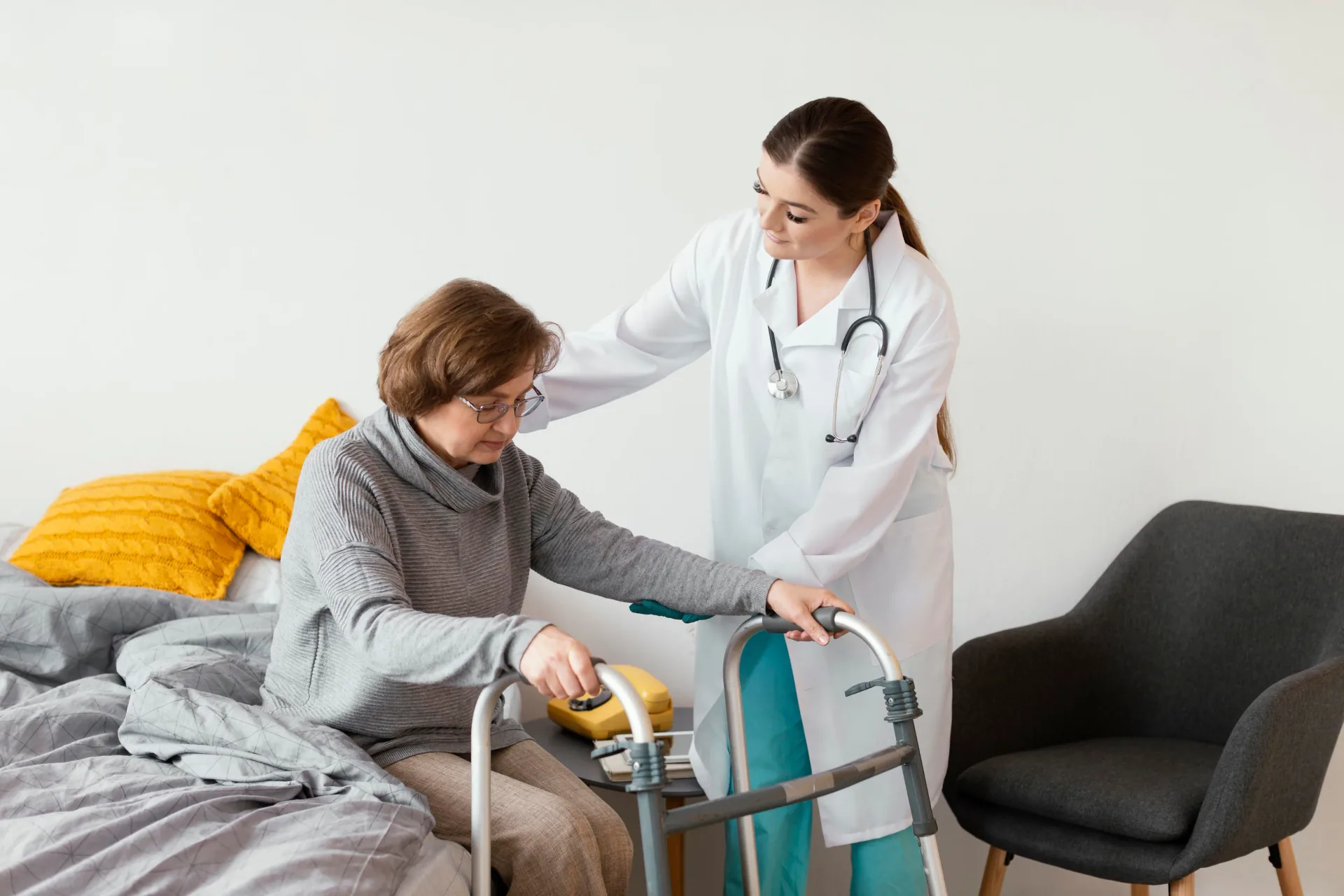
Care worker helping an older person with a walking frame
FAQ

Frequently Asked Questions About Live-in Care at Home

Ten questions families often ask — answered with honesty and care.

Conclusion

Live-in care represents a significant decision, but for the right person, it can profoundly improve quality of life. By remaining in your own home with the support of a trained, compassionate carer, you can maintain independence, dignity and control. At Earnest Support Care Ltd, we are committed to providing live-in care that is safe, effective, personalised and delivered with genuine care. If you would like to explore whether live-in care might be right for you, we invite you to get in touch. We are here to listen, advise and support you in making the best decision for your circumstances.

Learn More

How to Get in Touch

If you would like to discuss care within your location, we would be delighted to hear from you. Please contact us:
Our team is available to answer your questions and arrange a convenient time to discuss your care needs in detail.