Loading Earnest Support Care
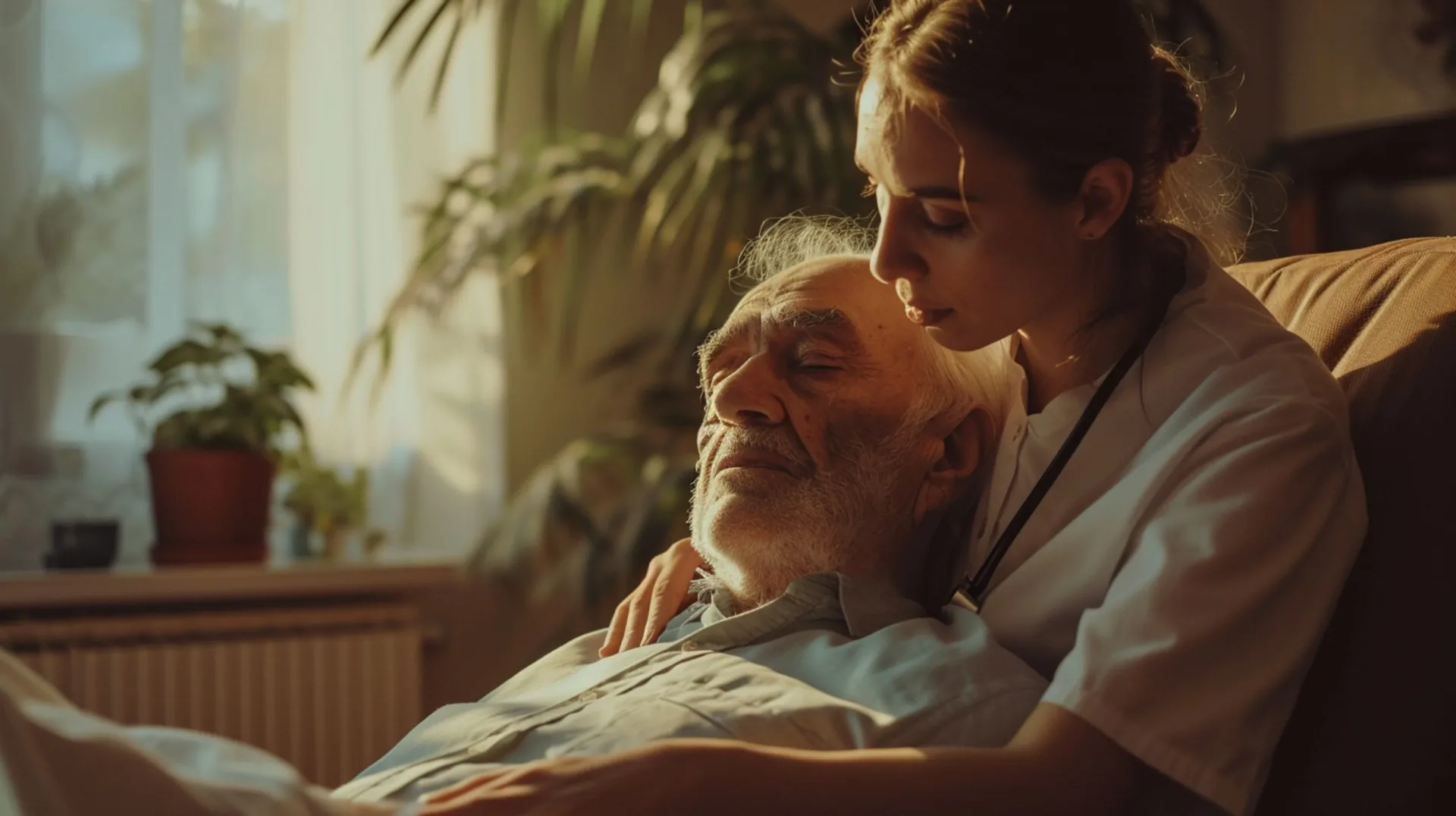
Older person receiving compassionate end of life care at home

Palliative and End of Life Care at Home in Swindon

At Earnest Support Care Ltd, we are committed to delivering compassionate, expert palliative and end of life care that honours the individual and supports their family through this profound time. Our nursing-led approach, combined with close working relationships with local hospices and healthcare providers, ensures that individuals facing the end of life receive the highest standard of specialist care within their own homes.

When life is coming to an end, the prospect of facing serious illness, dying and bereavement can feel overwhelming. Many people and families fear that end of life care will mean prolonged hospitalisation, pain and suffering. However, palliative and end of life care at home offers an alternative; one that prioritises comfort, dignity, autonomy and the ability to remain surrounded by loved ones in the familiar surroundings of home.

Understanding Palliative Care and End of Life Care

Palliative care and end of life care are often used interchangeably, but they have distinct meanings. Understanding the difference is important in accessing the right support at the right time.

What is Palliative Care?

"an approach that improves the quality of life of patients and their families facing the problem associated with life-threatening illness, through the prevention and relief of suffering by means of early identification and impeccable assessment and treatment of pain and other problems, physical, psychosocial and spiritual."

Palliative care begins at diagnosis and continues alongside curative treatment. It is not solely about the dying process; rather, it encompasses the months or years during which someone is living with a terminal or life-limiting illness, seeking to maximise wellbeing and comfort throughout that time. It is appropriate for individuals with advanced cancer, heart disease, respiratory disease, neurological conditions such as motor neurone disease, advanced dementia and other life-limiting illnesses.

Learn More

What is End of Life Care?

End of life care refers to care provided in the final months, weeks, days or hours of someone's life. It is the culmination of palliative care, with a specific focus on comfort, symptom management and emotional and spiritual support during the dying process. End of life care acknowledges that death is approaching and shifts the focus to maximising comfort, enabling the individual to die with dignity, and supporting their family. This typically involves managing pain and other symptoms that may become more intense, addressing psychological distress, facilitating final conversations and legacy work, and providing grief support to families.

The Gold Standards Framework and NICE Guidelines

In the United Kingdom, palliative and end of life care is shaped by evidence-based frameworks and guidelines that ensure consistent, high-quality care.

Gold Standards Framework (GSF)

The Gold Standards Framework is a systematic, evidence-based approach to identifying people nearing the end of life, assessing their needs, and planning individualised care. The GSF uses prognostic indicators to identify individuals who might benefit from a palliative approach, and encourages early planning and discussion about care goals and preferences.

The framework emphasises the importance of open communication, coordination amongst healthcare providers, and attention to physical, psychological, social and spiritual needs. The GSF is widely used across primary care, secondary care and community care settings and provides a robust structure for effective end of life care.

NICE Guidelines for End of Life Care

The National Institute for Health and Care Excellence (NICE) provides comprehensive guidelines for end of life care:

01

NG31 (End of Life Care for Adults)

Provides guidance on identifying people approaching the end of life, assessing their needs and preferences, planning and delivering co-ordinated care, and supporting families and carers. This guideline emphasises that care should be individualised, holistic and based on the person's priorities.

02

QS13 (End of Life Care for Adults Quality Standard)

Sets quality standards for end of life care, focusing on person-centred care, coordinated care, information provision, care planning, symptom management and support for families. These standards help drive improvement in end of life care quality.

03

Additional guidance on specific aspects

NICE provides further guidance on topics such as care of the dying adult in the last days of life, managing common symptoms at end of life, and support for young people approaching the end of life.

Future Care Planning and Preferences

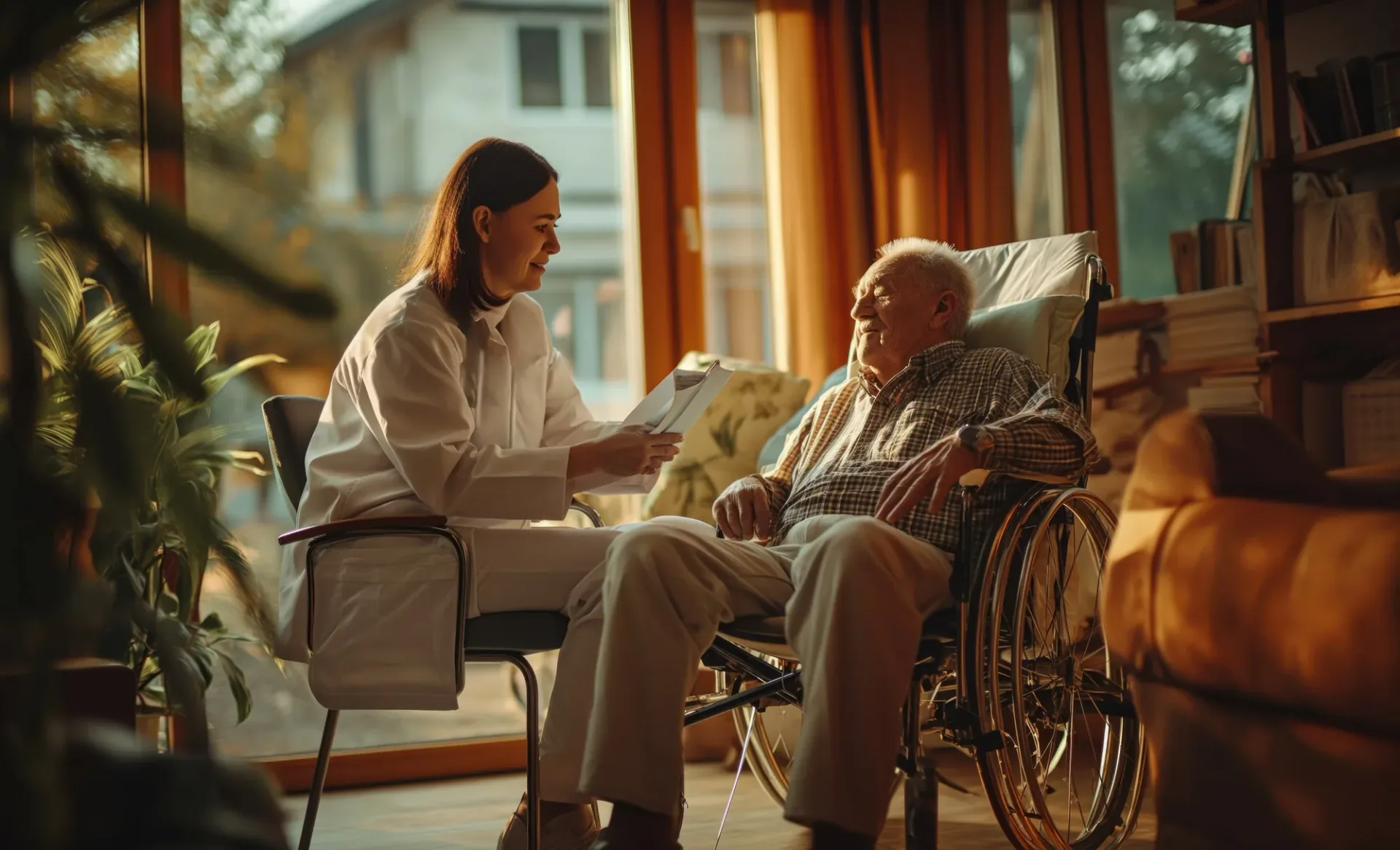
Care worker discussing future care planning with an older person

Advance Care Planning

Advance Care Planning is a process of reflection and discussion about your values, preferences and wishes regarding future care and treatment. It involves conversations with your healthcare team, family members and other trusted people about what matters most to you, what you fear, what gives your life meaning, and what kind of care you would or would not want if you become very ill.

Advance Care Planning is a significant component of good end of life care and is recommended by NICE and the Gold Standards Framework. Starting these conversations early, when you are well enough to participate fully, allows your preferences to be properly documented and understood.

Learn More

Preferred Priorities for Care (PPC)

The Preferred Priorities for Care (PPC) is a structured document that records your wishes and preferences regarding future care. It covers areas such as where you would like to be cared for if you become very ill, what your understanding of your condition is, what is important to you in terms of quality of life, what kind of support you would like for your family, and any specific wishes regarding treatment or interventions.

The PPC is reviewed and updated regularly as circumstances change or as your thinking evolves. It provides a clear record that can be shared with healthcare providers, ensuring that your wishes are understood and respected.

Comprehensive Symptom Management

One of the primary goals of palliative and end of life care is to manage symptoms effectively and ensure comfort. Many serious illnesses are associated with distressing symptoms including pain, breathlessness, nausea, vomiting, constipation, fatigue, anxiety, depression and sleep disturbance.

Our nursing-led team is experienced in assessing and managing these symptoms using a combination of medications, complementary therapies and practical strategies.

Pain Management

Effective pain management is fundamental to palliative care. Pain is assessed regularly using validated pain assessment tools, and treatment is individualised based on the cause, type and severity of pain. Pain medications may include paracetamol, non-steroidal anti-inflammatory drugs (NSAIDs), opioid medications, and adjuvant medications that enhance pain relief.

Learn More

Management of Other Symptoms

Beyond pain, we address a comprehensive range of symptoms that may develop:

Breathlessness

Managed through positioning, oxygen therapy if appropriate, medications such as opioids and anxiolytics, and emotional support

Nausea and vomiting

Identified, treated based on underlying cause, and addressed with antiemetic medications and dietary adjustments

Constipation

A common side effect of opioid medications; managed proactively with laxatives, dietary adjustments and adequate hydration

Fatigue

Addressed through optimising nutrition, managing pain and other symptoms, planning activities carefully, and providing psychological support

Anxiety and depression

Common in serious illness; managed through reassurance, psychological support, and medications if needed

Loss of appetite and difficulty swallowing

Managed through adjusted diet, nutritional supplements, and supportive feeding strategies

Sleep disturbance

Addressed through optimising comfort, managing pain and anxiety, and adjusting the sleep environment

Syringe Drivers and Anticipatory Medicines

In the final stages of life, managing multiple medications and ensuring effective symptom relief can become challenging. Two important tools in end of life care are syringe drivers and anticipatory medicines.

Syringe Drivers

A syringe driver is a small, battery-operated pump that delivers medications through a needle inserted under the skin (subcutaneously). It is particularly useful in the final days of life when a person can no longer swallow or take medications by mouth. The syringe driver allows several medications to be mixed together and delivered continuously over 24 hours, ensuring consistent pain relief and symptom management. Common medications delivered via syringe driver include opioids for pain and breathlessness, antiemetics for nausea, sedatives for anxiety and agitation, and medications to manage respiratory secretions. Our nursing team is trained and experienced in setting up, managing and troubleshooting syringe drivers, ensuring that medications are delivered effectively and that the device causes minimal discomfort.

Anticipatory Medicines

Anticipatory medicines are prescribed in advance of symptoms developing, with the understanding that they may be needed in the final days or hours of life. Common anticipatory medicines include medications for pain, breathlessness, nausea, anxiety, agitation and excessive respiratory secretions. Having these medications available at home means that if a symptom develops, it can be managed immediately without delay. Your GP and palliative care team will discuss which anticipatory medications might be appropriate for your situation and ensure they are available. Our care team is trained to administer these medications when needed, guided by clear protocols and in consultation with healthcare providers.

Learn More
NHS Framework

Working with Hospices and Community Healthcare Providers

Excellent end of life care requires coordinated working between care providers. In Swindon, we work closely with specialist hospices, district nurses, GPs, consultants and other healthcare providers to ensure seamless, comprehensive care.

Prospect Hospice Swindon

Prospect Hospice Swindon is a specialist palliative care provider offering inpatient beds, day services, home care support and bereavement services. We have established working relationships with Prospect Hospice and regularly refer individuals for specialist input, respite care, and end of life support. Prospect Hospice can provide specialist nursing advice, symptom management support, and care coordination.

For individuals choosing to die at home, Prospect Hospice can provide "Hospice at Home" services, with specialist nurses visiting to provide hands-on care and support. We work closely with Prospect to ensure that individuals supported by Earnest Support Care Ltd receive seamless specialist input within their home.

Learn More

Dorothy House Hospice Care

Dorothy House Hospice Care, located in Wiltshire, provides specialist palliative care services and can offer support for individuals in the broader Swindon and Wiltshire area. We can facilitate referrals to Dorothy House and work collaboratively with their team.

Learn More

Macmillan Cancer Support

For individuals with a cancer diagnosis, Macmillan Cancer Support provides extensive information, practical support, financial advice and signposting to services. We can facilitate referrals to Macmillan and utilise their resources to support individuals and their families.

Learn More

District Nurses and GP Support

District nurses are specialist nurses based in the community who provide nursing care to people in their homes. For individuals receiving palliative or end of life care, district nurses may be involved in wound care, medication management, syringe driver setup, and general nursing oversight.

Your GP continues to play an important role, providing medical assessment, prescribing medications, and coordinating overall care. Our team works closely with district nurses and GPs, sharing information, coordinating visits, and ensuring that care is effective and responsive.

Emotional and Spiritual Support

Palliative and end of life care address far more than physical symptoms. Facing death can evoke profound emotions; fear, sadness, anger, guilt and regret. Spiritual and existential concerns may emerge. Good end of life care attends to these dimensions with the same rigour as physical care.

Psychological Support

Our care team provides compassionate listening and emotional support. For more complex psychological needs, we can refer to mental health services or counselling providers. Avon and Wiltshire Mental Health Partnership (AWP) provides mental health support in Swindon and may be able to offer counselling or psychological therapy if depression or anxiety is significant.

Learn More

Spiritual Care

Spiritual care is not limited to religious practice; it encompasses meaning, purpose, relationships and legacy. We support spiritual needs by respecting religious practices, facilitating visits from faith leaders if desired, and supporting meaningful conversations about life, purpose and mortality. We can facilitate referrals to hospital or hospice chaplains if spiritual support is desired.

NHS Framework

Working with Hospices and Community Healthcare Providers

Excellent end of life care requires coordinated working between care providers. In Swindon, we work closely with specialist hospices, district nurses, GPs, consultants and other healthcare providers to ensure seamless, comprehensive care.

Prospect Hospice Swindon

Prospect Hospice Swindon is a specialist palliative care provider offering inpatient beds, day services, home care support and bereavement services. We have established working relationships with Prospect Hospice and regularly refer individuals for specialist input, respite care, and end of life support. Prospect Hospice can provide specialist nursing advice, symptom management support, and care coordination.

For individuals choosing to die at home, Prospect Hospice can provide "Hospice at Home" services, with specialist nurses visiting to provide hands-on care and support. We work closely with Prospect to ensure that individuals supported by Earnest Support Care Ltd receive seamless specialist input within their home.

Learn More

Dorothy House Hospice Care

Dorothy House Hospice Care, located in Wiltshire, provides specialist palliative care services and can offer support for individuals in the broader Swindon and Wiltshire area. We can facilitate referrals to Dorothy House and work collaboratively with their team.

Learn More

Macmillan Cancer Support

For individuals with a cancer diagnosis, Macmillan Cancer Support provides extensive information, practical support, financial advice and signposting to services. We can facilitate referrals to Macmillan and utilise their resources to support individuals and their families.

Learn More

District Nurses and GP Support

District nurses are specialist nurses based in the community who provide nursing care to people in their homes. For individuals receiving palliative or end of life care, district nurses may be involved in wound care, medication management, syringe driver setup, and general nursing oversight.

Your GP continues to play an important role, providing medical assessment, prescribing medications, and coordinating overall care. Our team works closely with district nurses and GPs, sharing information, coordinating visits, and ensuring that care is effective and responsive.

Emotional and Spiritual Support

Palliative and end of life care address far more than physical symptoms. Facing death can evoke profound emotions; fear, sadness, anger, guilt and regret. Spiritual and existential concerns may emerge. Good end of life care attends to these dimensions with the same rigour as physical care.

Psychological Support

Our care team provides compassionate listening and emotional support. For more complex psychological needs, we can refer to mental health services or counselling providers. Avon and Wiltshire Mental Health Partnership (AWP) provides mental health support in Swindon and may be able to offer counselling or psychological therapy if depression or anxiety is significant.

Learn More

Spiritual Care

Spiritual care is not limited to religious practice; it encompasses meaning, purpose, relationships and legacy. We support spiritual needs by respecting religious practices, facilitating visits from faith leaders if desired, and supporting meaningful conversations about life, purpose and mortality. We can facilitate referrals to hospital or hospice chaplains if spiritual support is desired.

Care worker speaking with an older person and supporting end of life planning
Our Approach

Supporting Families and Carers Through End of Life

When someone is approaching the end of life, their family members and carers also require substantial support. End of life care is not solely about the dying person; it encompasses the family unit and their experience.

Family Involvement and Communication

We actively involve families in care planning and decision-making (subject to the individual's wishes regarding who should be involved). Regular, honest communication about what is happening, what to expect, and what options are available helps families feel informed and prepared. Family meetings can be arranged to discuss care goals, address concerns, and ensure that everyone understands the plan.

Practical and Emotional Support

Families often need practical support; help with household tasks, shopping, meal preparation, childcare and other responsibilities. We can provide respite to give family members rest, or signpost to community support services. Emotionally, families need space to express feelings, ask questions and receive reassurance. Our carers are trained to listen with compassion and to validate the emotions families are experiencing.

Bereavement Support

Right culture means fostering an environment in which people with learning disabilities and autistic people are valued, respected, and recognised as full members of society. This includes promoting their rights, their voice, their choices, and their dignity. We actively resist discrimination and stereotyping, and we work to enable people to participate in community life, form relationships, and contribute to their communities. We see learning disabilities and autism as neurodiversity, not as deficits to be fixed.

Night Sitting and Rapid Response Services

In the final days and hours of life, additional support is often needed. We can arrange night sitting; a trained carer remaining in the home throughout the night to provide comfort, reassurance and immediate support if the individual's condition changes. This allows family members to rest whilst ensuring that expert care is at hand. Rapid response services can be mobilised if acute changes occur, such as sudden increases in pain, severe breathlessness or rapid deterioration.

What to Expect in the Final Days and Hours

As someone approaches death, a pattern of changes typically occurs. Understanding what to expect can help families feel less alarmed and better prepared. Common changes include:

Reduced consciousness

The dying person becomes increasingly drowsy and may eventually lose consciousness entirely. This is a natural part of the dying process and does not mean they are distressed

Changes in breathing

Breathing may become irregular, with periods of rapid breathing followed by pauses. Some breathing may become very noisy (rattling breaths), which reflects secretions in the airways rather than distress

Changes in skin colour

The skin may become pale, cold and blotchy as circulation slows

Changes in circulation

Hands and feet may become cold, and the pulse may become harder to detect

Reduced appetite and thirst

The dying person typically loses interest in eating and drinking. Offering sips of water and keeping the mouth clean is appropriate

Loss of control of bodily functions

Incontinence may develop as the body systems shut down. This is managed with dignity through appropriate toileting and incontinence aids

Restlessness or agitation

Some people become restless or agitated near the end of life. This can be managed through reassurance, comfort measures and, if needed, sedative medications

The final moments

Death may come suddenly or gradually. Family members should be prepared that the moment of death may not be dramatically obvious; breathing may simply cease

After Death Care and Certification

After death occurs, there are several practical matters that need attending to. Our team will:

Care worker comforting an older person during end of life care
01

Notify the GP, who will visit to confirm death and, if appropriate, provide a Medical Certificate of Cause of Death

02

Provide care for the body with dignity and respect, washing and preparing the body if the family wishes

03

Contact the funeral director of the family's choice and facilitate transfer of the deceased to the funeral home

04

Provide support and practical information to the family regarding the next steps, including funeral planning and registering the death

05

Provide bereavement support to the family and help them access ongoing grief counselling if needed

Funding Palliative and End of Life Care

Learn More

NHS Continuing Healthcare (CHC) Fast Track

For individuals with complex healthcare needs approaching the end of life, NHS Continuing Healthcare (CHC) fast track funding is available. The CHC Fast Track Process is a streamlined assessment pathway designed specifically for individuals with a prognosis of less than 6 months. It recognises that lengthy assessment processes may not be appropriate for someone nearing the end of life.

The fast track process results in the NHS funding the full cost of care, removing financial barriers to accessing quality end of life care. We are experienced in facilitating fast track assessments and can guide families through the process. Your GP or healthcare provider can initiate a fast track assessment.

Care worker speaking with an older person about care funding

Local Authority Funding

Swindon Borough Council may provide funding for end of life care following an assessment of social care needs. This may take the form of a direct payment or a care package funded by the council.

Private/Self-Funding

Some individuals and families choose to fund end of life care privately. This offers flexibility and choice.

Conclusion

Facing the end of life is one of the most profound experiences any of us will face. It deserves care that is expert, compassionate and centred on the person and their family. At Earnest Support Care Ltd, we are committed to providing palliative and end of life care that allows individuals to face this chapter of their lives with comfort, dignity and peace. By working closely with you, your family, your healthcare providers and specialist services, we create a comprehensive approach to care that addresses physical, emotional, social and spiritual needs. If you or someone you love is facing the end of life, we would be honoured to help. Please contact us to discuss how we can support you.

FAQ

Frequently Asked Questions About Dementia Care at Home

Ten questions families often ask — answered with honesty and care.

How to Get in Touch

If you would like to discuss care within your location, we would be delighted to hear from you. Please contact us:
Our team is available to answer your questions and arrange a convenient time to discuss your care needs in detail.