Loading Earnest Support Care
Support worker helping an older person with a creative activity
Dementia Care Swindon

Learning Disability and Autism Support Services at Home

Every person has the right to live in their own home, with the support they need, choosing how to spend their time and who they spend it with. This is not merely aspirational; it is fundamental to human dignity and enshrined in law. At Earnest Support Care Ltd, we provide specialist domiciliary care for people with learning disabilities and autistic people across Swindon, working according to a clear rights-based, person-centred philosophy that places the individual at the heart of everything we do.

Reliable holiday care in Swindon - temporary home care from CQC-registered careers for complete peace of mind whilst you are away.

There are approximately 1.5 million people with learning disabilities in the United Kingdom, with around 65,000 living in the South West region. Autism affects an estimated 1 in 100 of the population, though many people, particularly women, girls, and adults who mask their autism, remain undiagnosed or diagnosed late in life. In Swindon, we work with individuals across the entire spectrum of need, from those with mild learning disabilities alongside anxiety or autism, to people with profound and multiple learning disabilities (PMLD), complex behaviour support needs, sensory sensitivities, and profound autism.

Care professional speaking with a person receiving support
Our Approach

Rights-Based, Person-Centred Care

Our approach is rooted in the CQC's 'Right Support, Right Care, Right Culture' (RSRCRC) framework, which sets out what truly person-centred, rights-respecting support looks like in practice. This framework was developed through extensive consultation with people with learning disabilities, their families, and support professionals, and it reflects contemporary best practice in learning disability and autism support.

Right Support

Understanding Individual Needs

Right support begins with a deep understanding of each person's individual needs, strengths, preferences, and aspirations. We do not adopt a 'one-size-fits-all' approach; instead, we work to develop a nuanced understanding of who each person is as an individual and what matters most to them. This includes understanding their communication style, sensory profile, health needs, and what triggers anxiety or distress. We take time to get to know each person properly, recognising that truly understanding someone requires time, patience, and genuine attention.

Right Care

Delivering High-Quality, Evidence-Based Support

Right care means providing support that is safe, effective, evidence-based, and genuinely responsive to the person's needs. This includes supporting personal care, medication management, health monitoring, communication, social participation, and independence-building. Our care workers are trained in evidence-based approaches such as Positive Behavioural Support (PBS), trauma-informed care, and autism-affirming practice. Our Nursing Lead, Gideon Ogunwale (RGN/RMN), provides clinical oversight and ensures all health-related care meets professional standards. Learn More

Right Culture

Promoting Inclusion, Dignity, and Rights

Right culture means fostering an environment in which people with learning disabilities and autistic people are valued, respected, and recognised as full members of society. This includes promoting their rights, their voice, their choices, and their dignity. We actively resist discrimination and stereotyping, and we work to enable people to participate in community life, form relationships, and contribute to their communities. We see learning disabilities and autism as neurodiversity, not as deficits to be fixed.

Understanding Learning Disabilities and Autism

Learning Disability Definition and Context

A learning disability is a lifelong condition that affects intellectual functioning and adaptive behaviour. It typically emerges in childhood and affects how a person understands and processes information, learns new skills, and copes with everyday situations.

It typically emerges in childhood and affects how a person understands and processes information, learns new skills, and copes with everyday situations. Learning disabilities exist on a spectrum, ranging from mild where people can live independently with minimal support to profound where people have very limited understanding and self-care abilities and require ongoing support.

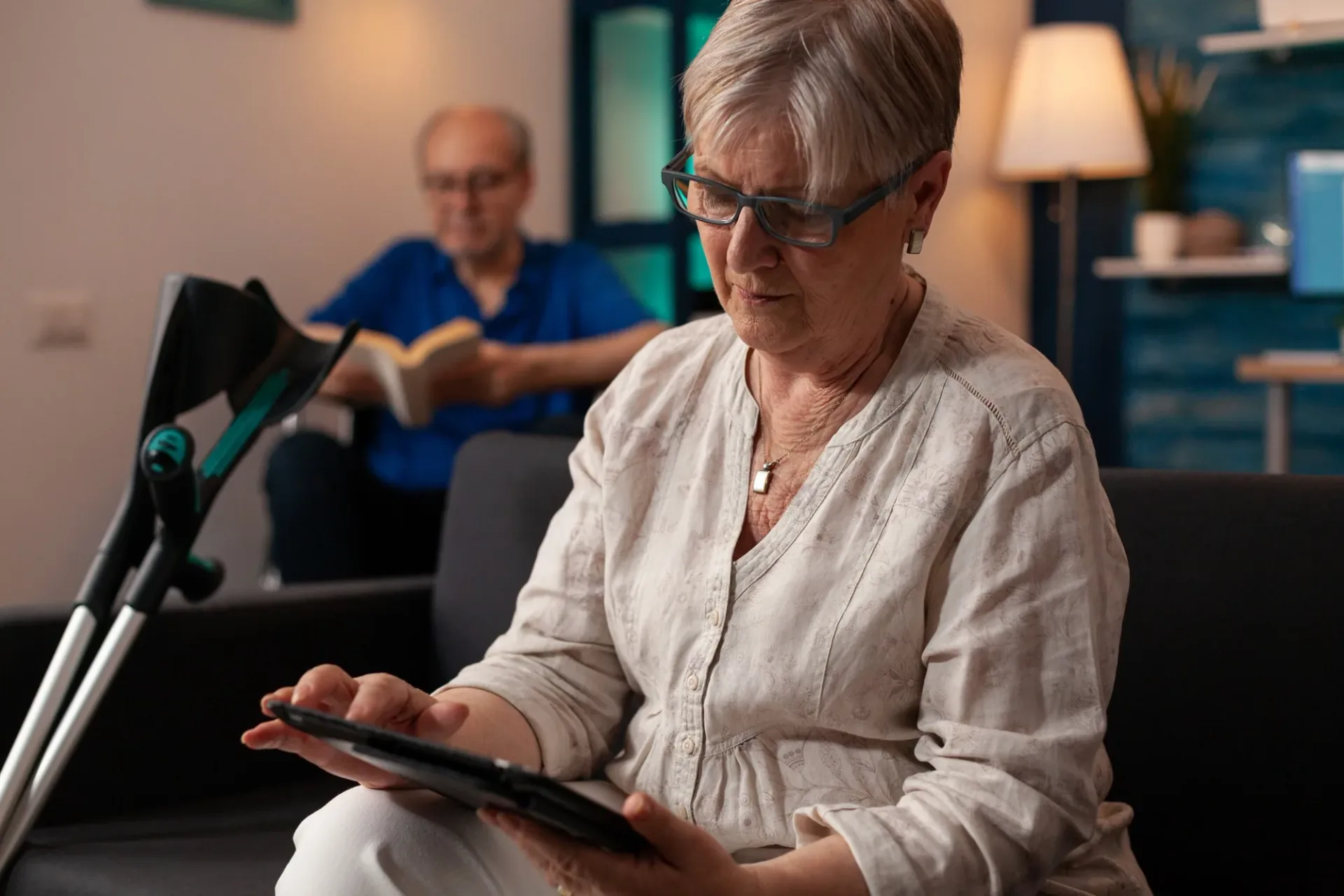
Person using a tablet while receiving support at home

People with learning disabilities face significant health inequalities.

Learning disabilities are often accompanied by other conditions, such as mental health difficulties, autism, epilepsy, or physical disabilities.

They experience higher rates of preventable conditions epilepsy, obesity, mental health conditions and premature death. They also experience high rates of stigma, discrimination, and social exclusion. Supporting someone with a learning disability means addressing not only their care needs but also these broader health and social inequalities.

Care worker speaking with an older person
Autism

A Different Way of Processing the World

Autism is a neurodevelopmental difference affecting how a person processes sensory information, relates to others, communicates, and experiences the world. Autistic people are born autistic; autism is not an illness to be cured, but a core part of who they are. Autism exists on a spectrum, and autistic people have different support needs. Some autistic people are non-speaking or minimally speaking; others are verbally fluent. Some autistic people have significant sensory sensitivities that affect their ability to participate in everyday activities; others do not. Some autistic people have learning disabilities; many do not. Autism itself is not a learning disability, although some autistic people do have co-occurring learning disabilities.

Autistic people often experience high levels of anxiety, sensory overwhelm, and difficulties with social communication. Many autistic people, particularly women and girls, develop camouflaging behaviours also called masking in an attempt to hide their autism and fit in with non-autistic people. This can be exhausting and often leads to burnout, depression, and anxiety. We understand autistic people as they are, without expecting them to mask or change fundamentally who they are.
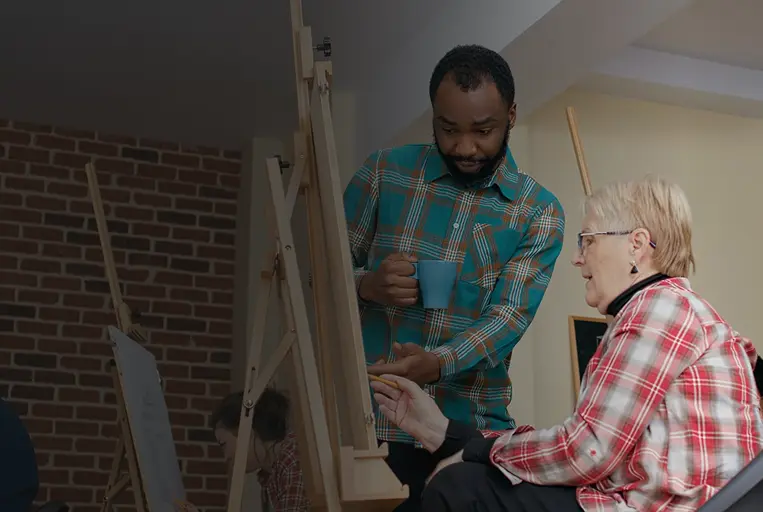

Communication

Meeting People Where They Are

Communication is essential to providing good care. Yet many people with learning disabilities and autistic people have communication difficulties. Some people are non-speaking or minimally speaking; others use alternative or augmentative communication systems.

We are trained in a variety of communication methods and will adapt our communication approach to suit each person's individual needs and preferences.

Person using a tablet while receiving support
Sign Language

Makaton Signing and Symbol Support

Makaton is a language programme that uses signs, symbols, and speech to enable people with speech and language difficulties to communicate effectively. We employ care workers trained in Makaton, and we can communicate with people who use Makaton, whether they are learning Makaton as a second language or who are native users. We can also use Makaton symbols in written materials (visual schedules, story boards, information sheets) to support understanding.

Visual symbols

PECS (Picture Exchange Communication System)

PECS is a communication system using visual symbols and pictures to enable people with limited or no speech to communicate their needs, feelings, and ideas. People using PECS exchange pictures or symbols to communicate messages. We are trained to use PECS and can support people who use this system in their daily communication.

AAC Devices

Augmentative and Alternative Communication

Some people use electronic AAC devices (speech-generating devices), eye-gaze systems, or other technology-based communication aids. We are trained to support people using AAC devices and will familiarise ourselves with how to use each person's specific device.

Visual Supports

Visual Supports and Timetables

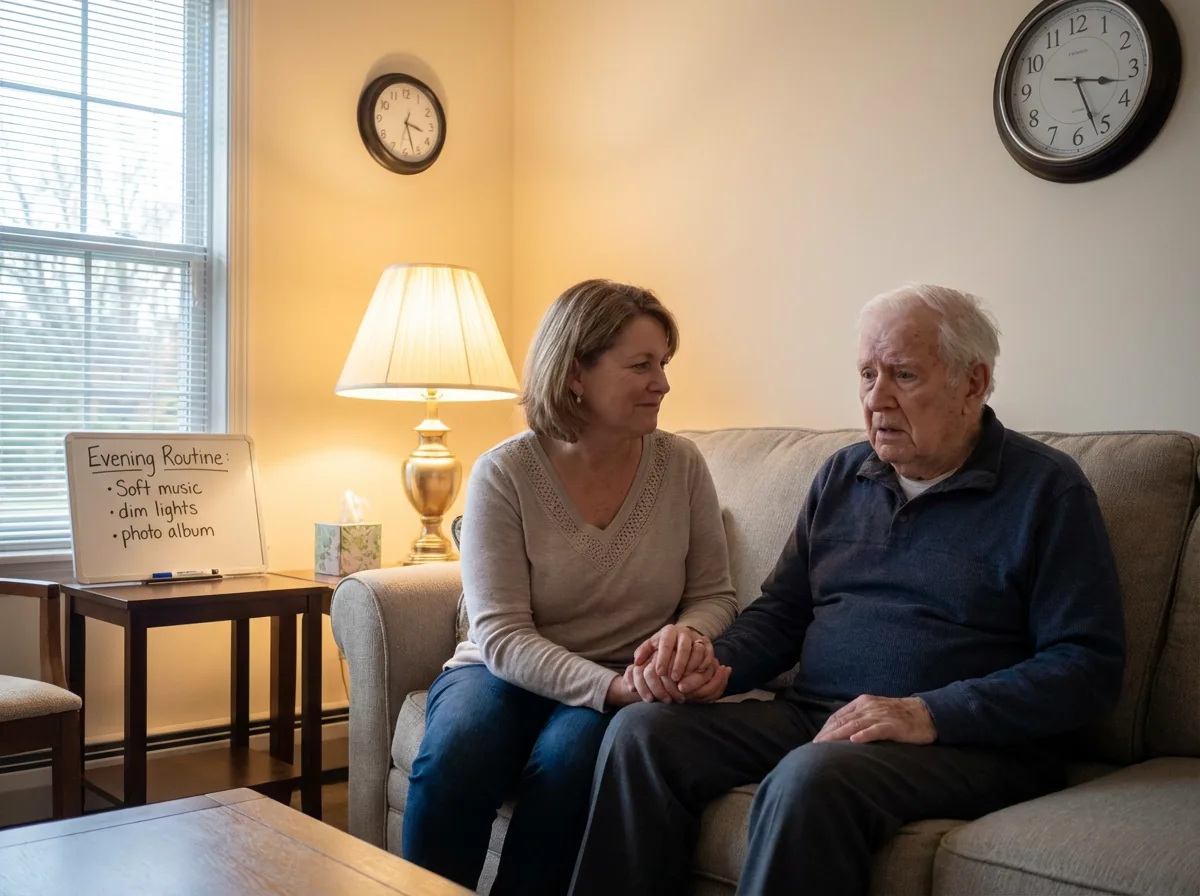
For many people with learning disabilities and autism, visual supports are enormously helpful. These might include visual schedules showing what will happen during the day, social stories preparing someone for a new experience, visual task analyses breaking down complex tasks into steps, or visual prompts in the environment. We create and use visual supports tailored to each person's needs.

Our Expertise

Sensory Profiles and Sensory Support

Many people with learning disabilities and all autistic people have sensory processing differences.

Some people are hyper-sensitive to sensory input sounds, lights, textures, smells and become overwhelmed; others are hypo-sensitive and need more sensory input to feel regulated. Understanding each person's sensory profile is crucial to providing appropriate support and preventing distress or overwhelm.

Based on this assessment

We create a sensory profile and develop strategies to support the person. This might include providing sensory breaks, minimising sensory overwhelm in the home environment, providing access to sensory activities that help the person regulate, or using sensory tools weighted blankets, noise-cancelling headphones, fiddle toys.

During our pre-care assessment, we carry out a detailed sensory assessment, exploring:

Auditory sensitivities

Are there specific sounds that cause distress? Loud noises, sirens, high-pitched sounds?

Visual sensitivities

Are there lighting conditions that cause problems? Is the person sensitive to colour, movement, or visual clutter?

Tactile sensitivities

Does the person dislike certain textures, clothing labels, or certain types of touch?

Olfactory sensitivities

Are there smells that cause significant distress or nausea?

Taste sensitivities

Are there textures or tastes the person dislikes?

Proprioceptive and vestibular needs

Does the person enjoy heavy input, movement, or specific types of physical activity?

Interoceptive awareness

Does the person recognise hunger, fatigue, pain, or other internal bodily sensations?

PBS

Positive Behavioural Support (PBS)

Some people with learning disabilities or autism experience behaviour that can be challenging. Traditional approaches have often focused on managing or eliminating challenging behaviour through punitive or restrictive means. Positive Behavioural Support (PBS) takes a very different approach.

Care worker speaking with an older person by a window

Evidence-based framework

PBS is an evidence-based framework that recognises that behaviour is communication; it has a purpose and a function. Rather than simply trying to stop challenging behaviour, PBS seeks to understand the underlying need or trigger and to teach alternative ways of meeting that need.

Our care workers are trained in PBS approaches. This includes:

Understanding the function of behaviour

What need is the behaviour meeting? Is the person seeking attention, escape, sensory input, or something else?

Identifying triggers and antecedents

What happens before the challenging behaviour? Can we identify and modify triggers to prevent the behaviour?

Teaching alternative skills

Can we teach the person a more appropriate way to meet their need or communicate their desire?

Environmental modifications

Can we modify the person's environment to reduce triggers and support more positive behaviour?

Reinforcement and reward

Can we reinforce positive behaviour and help the person understand the consequences of their actions?

Crisis management

If challenging behaviour does occur, how do we respond in a way that maintains safety whilst also remaining compassionate and respectful?

Care worker supporting an older person at home
Care worker speaking with an older person during a health review
Health & Wellbeing

Health Monitoring and Health Action Plans

People with learning disabilities and autistic people often have significant health needs and experience health inequalities. We work proactively to monitor health, identify issues early, and ensure access to appropriate healthcare.

This includes working with Health Action Plans, which are personalised documents setting out a person's health conditions, health risks, and the health actions needed to support good health.

Annual Health Checks

People with learning disabilities have the right to annual health checks with their GP. We actively support access to these checks and ensure appropriate health screening.

Our health monitoring includes:

Annual health checks

We ensure people have regular health checks with their GP.

Medication monitoring

We monitor medications and check they remain appropriate.

Weight monitoring

We monitor weight and support a healthy lifestyle, as people with learning disabilities have high rates of obesity.

Nutrition and hydration

We ensure adequate nutrition and hydration.

Sexual health and consent

We provide sex education and support around sexual health and relationships.

Mental health

We monitor for signs of depression, anxiety, or other mental health issues.

Epilepsy management

If the person has epilepsy, we ensure appropriate monitoring and seizure management.

Infection control

We maintain high standards of hygiene and infection prevention.

Care worker supporting a person during a risk review
Self Risk

Restrictive Practices Minimisation

In rare circumstances, where someone's behaviour poses a serious risk to themselves or others, restrictive practices may be used. However, these should be a last resort, used only when necessary, for the shortest time possible, and always with clear justification, monitoring, and regular review. We are committed to the minimisation of restrictive practices.

This means we actively work to reduce the need for any restrictions through PBS, environmental modifications, and skill-building. Any restrictions used are proportionate, regularly reviewed, and documented clearly.

Mortality Review

LeDeR (Learning Disability Mortality Review)

LeDeR reviews investigate the deaths of people with learning disabilities to identify any patterns or failures in care that may have contributed to their death. These reviews have identified significant health inequalities in people with learning disabilities, including delayed diagnosis of serious conditions, healthcare staff's lack of understanding of learning disabilities, and the failure to make reasonable adjustments.

We are committed to learning from LeDeR findings and ensuring all our team understand the health inequalities experienced by people with learning disabilities and how to address them.

Older person receiving support with wellbeing and health review
Community & Independence

Community Participation, Inclusion, and Employment

Community Participation

People with learning disabilities and autistic people have the right to participate fully in community life, if they wish. Yet many experience social isolation and exclusion. We actively support inclusion through:

Access to clubs, classes, sports, religious services, and events

Facilitating friendships, relationships, and social connections

Supporting leisure, hobbies, and creative activities

Working with organisations to make reasonable adjustments

Advocacy when someone faces discrimination or exclusion

Social skills and communication support

Employment Support

Many people with learning disabilities and autistic people have the capacity and desire to work or engage in meaningful daytime activity. Yet employment rates are very low. We provide:

Supported employment in paid or voluntary roles

Work experience and skill development

Access to day services and training programmes

Job coaching — one-to-one workplace support

Liaison with employers to make reasonable adjustments

Meaningful daytime activity planning

Thorough Preparation

Employment Support and Daytime Activity

Many people with learning disabilities and autistic people have the capacity and desire to work or engage in meaningful daytime activity. Yet employment rates are very low

We can provide support to help someone access employment or daytime activity, such as:

1

Supported employment: Support to access paid or voluntary employment, with ongoing support in the workplace.

2

Work experience: Support to gain work experience and develop work skills.

3

Daytime activities: Support accessing day services, training programmes, or meaningful daytime activities.

4

Job coaching: One-to-one support in the workplace to help someone learn a job and develop confidence.

5

Liaison with employers: Working with employers to make reasonable adjustments and support successful employment.

Care worker supporting an older person at home

Annual Health Checks and Health Screening

People with learning disabilities have the right to annual health checks with their GP, which should include a comprehensive review of their health, health screening, and a health action plan. We actively support access to these health checks and ensure the person is receiving regular screening appropriate to their age and health status.

FAQ

Frequently Asked Questions About Dementia Care at Home

Ten questions families often ask — answered with honesty and care.

Transition Support

Transitions can be particularly challenging for people with learning disabilities and autistic individuals. Whether transitioning from children's to adult services, moving between care providers, or adjusting to changes in routine or environment — careful planning makes all the difference.

We work collaboratively with families, social workers, and other professionals to develop transition plans that account for individual communication needs, sensory preferences, and anxiety triggers. Our goal is to ensure that transitions are experienced as positive steps forward.

Gradual introductions

Carefully planned, phased introductions to new environments and people

Social stories

Personalised visual stories preparing someone for new experiences

Visual timescales

Clear visual representations of what will happen and when

Staff continuity

Familiar faces throughout the transition to maintain trust and security

Get in Touch Today

Discuss Learning Disabilities and Autism Care for Your Loved One

Contact Icon

If you would like to discuss how Earnest Support Care Ltd can help you or a loved one with Learning Disabilities and Autism, please contact us. Our team is ready to listen, answer your questions, and guide you through the process with patience and professionalism.