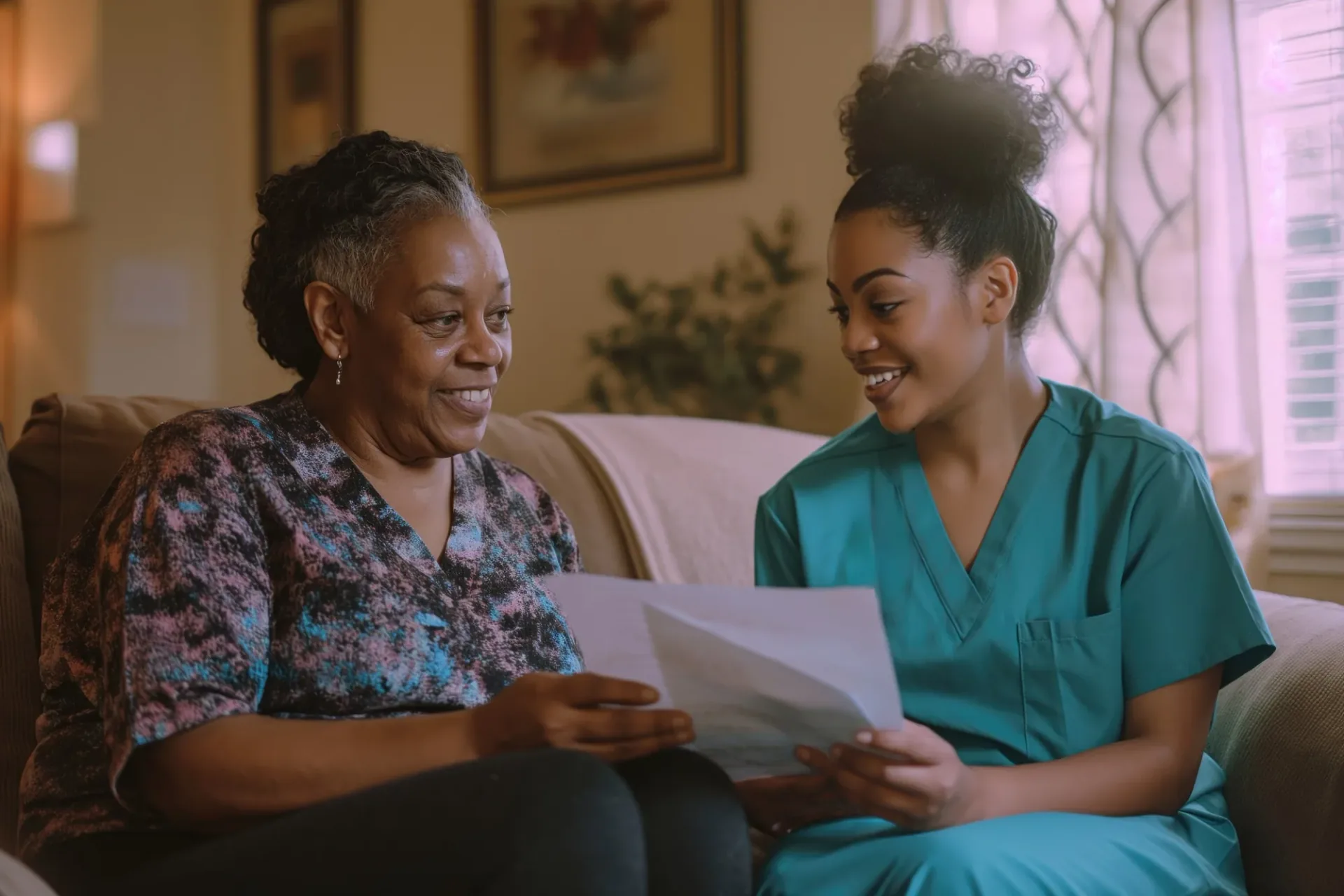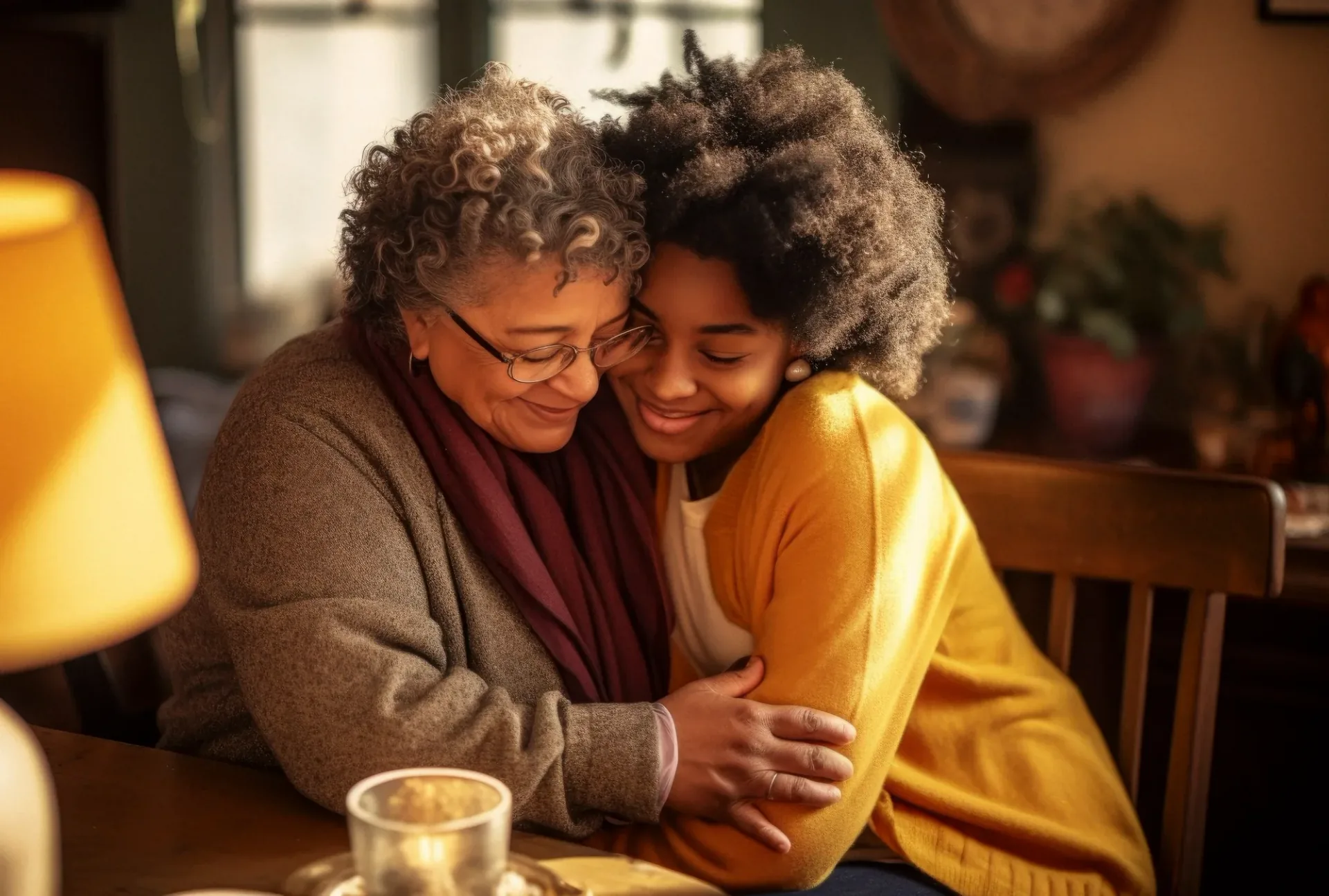
Friendship & conversation
Genuine, unhurried connection centred on the individual's emotional and social needs.
Our friendly, reliable companionship service supports people experiencing loneliness or social isolation. Home companionship visits can include conversation, outings, hobbies, and social companionship shaped around each person's interests and routines.

At Earnest Support Care Ltd, we provide professional companionship services that offer genuine connection, social engagement, and practical support to reduce isolation and enhance wellbeing.
 Genuine friendship
Our companionship care workers are trained to provide meaningful friendship and support that enriches lives and improves outcomes.
Companionship care is a service focused on providing friendship, conversation, social engagement, and emotional support to individuals who are socially isolated, lonely, or at risk of isolation. Unlike personal care, which focuses on physical assistance with activities of daily living, companionship care is centred on the individual's emotional and social needs.
A companionship visit might involve conversation over tea, helping with a hobby or interest, accompanying the person on a walk or shopping trip, attending a social event together, or simply providing friendly presence and listening.
Whilst companionship care is not a regulated activity under the Care Quality Commission in the same way that personal care is, Earnest Support Care Ltd treats companionship services with the same professionalism, training, and duty of care as all our other services. Our companionship care workers are recruited, trained, and supervised to the same high standards as our care staff.
Genuine, unhurried connection centred on the individual's emotional and social needs.
Visits focused on activities the individual finds enjoyable and meaningful.
Flexible and responsive to mood, interests, and preferences on each particular day.
Recruited, trained, and supervised to the same high standards as all our care staff.
The Evidence
Understanding the scale and seriousness of loneliness helps explain why professional companionship care is not a luxury. It is a health intervention.
Loneliness
Loneliness is the subjective experience of feeling disconnected from others, whilst social isolation is the objective state of having limited social contact. A person can be socially isolated but not feel lonely if their solitude is chosen and satisfying. Conversely, a person in a crowded room might feel profoundly lonely. However, in many cases, social isolation and loneliness occur together, creating a harmful combination that requires professional support to address.
Risk
Research from Age UK and the Campaign to End Loneliness has demonstrated that chronic loneliness has effects on physical health equivalent to smoking 15 cigarettes per day. Loneliness is associated with increased risk of cardiovascular disease, stroke, dementia, and cognitive decline. Studies show that lonely individuals have higher rates of depression, anxiety, and sleep disturbance. Beyond these serious health outcomes, loneliness and isolation reduce overall quality of life, motivation, and engagement with healthcare and rehabilitation.
Older people who are lonely are more likely to experience falls, have slower recovery from illness or surgery, and are at higher risk of being admitted to hospital or care facilities. The economic cost of social isolation is enormous; lonely individuals tend to use more healthcare services and have longer hospital stays. This makes companionship services not only compassionate but also cost-effective interventions that improve health outcomes and reduce pressure on health services.
Mental Wellbeing
Loneliness and social isolation are strongly associated with depression, anxiety, and reduced sense of purpose and meaning. The NHS recognises social isolation as a risk factor for mental health problems and recommends social connection as part of mental health maintenance and recovery. Companionship care and social connection, by contrast, are protective factors for mental health. Regular meaningful social interaction reduces anxiety and depression, improves self-esteem and confidence, and provides a sense of belonging and purpose.
For individuals with mental health conditions, companionship services can be a valuable complement to formal mental health treatment. Research consistently shows that individuals with strong social connections have better mental health outcomes, are more likely to adhere to treatment, and have faster recovery from mental health crises. Companionship care provides this essential social connection in a structured, professional context.
Whilst personal care focuses on physical assistance with self-care activities, companionship care focuses on emotional and social support. In practice, the two often coexist — and we can arrange both.

During a personal care visit, the care worker might help with dressing and then prepare breakfast. The focus is on physical tasks completed to a professional standard.
Assistance with washing and dressing
Preparing breakfast and meals
Toileting and continence care
Medication administration
Follows a set task sequence
Clinically trained and regulated
A worker might provide some assistance with personal care such as help with a shower, and then spend time on companionship activities. However, the focus and intention are different; personal care prioritises physical tasks, whilst companionship prioritises emotional connection and social engagement.
If you need both services, we can arrange this seamlessly.
During a companionship visit, the worker might sit with the individual whilst they eat breakfast, engage in conversation, listen to their concerns, and perhaps help plan social activities.
Sitting together over breakfast in conversation
Listening to concerns and feelings
Planning social activities and outings
Responsive to mood and preferences each day
Flexible, person-driven approach
Emotionally and socially focused
Every visit is shaped around what the individual finds enjoyable and meaningful. Click any card to read the full detail.

The simplest and often most valuable element of companionship care is conversation.

Companionship care provides an opportunity to engage in activities the individual enjoys.

One of the most valuable aspects of companionship care is supporting individuals to get out of the house.

Companionship care often includes accompanying the individual to shops, markets, or community facilities.

A companionship worker can accompany an individual to medical appointments, social events, or activities in the community.
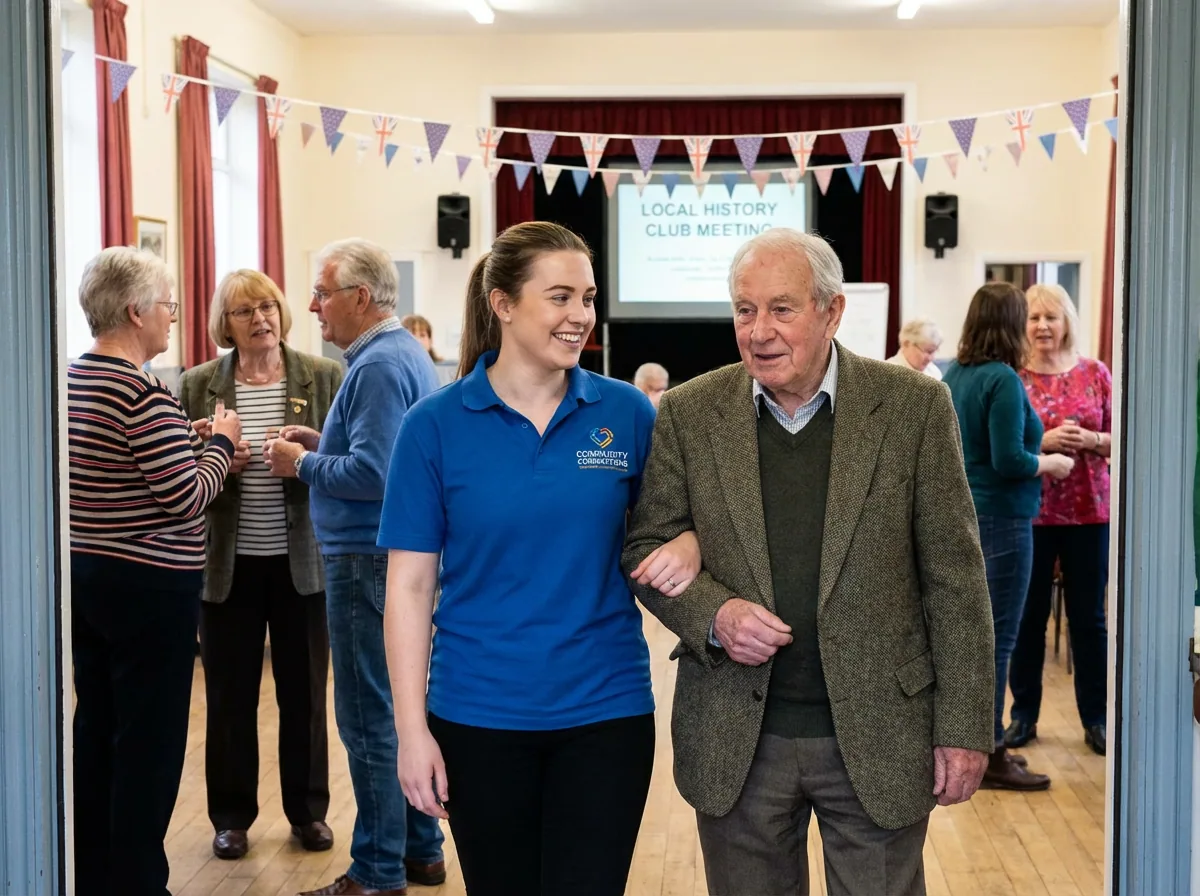
Our companionship workers can accompany individuals to social events, clubs, hobby groups, religious services, or other community activities.
Research by the NHS and mental health charities consistently demonstrates that social connection is one of the most effective interventions for depression, anxiety, and low mood.
Specialist Situations
We are here to help and would welcome the opportunity to discuss how we can support you or your loved ones.
Specialist Situations
Some individuals need companionship approaches adapted to their circumstances. Here is how we respond.
Individuals with dementia often experience profound loneliness and social withdrawal due to cognitive changes, communication difficulties, or reduced independence.
Companionship care can be particularly valuable for people with dementia, both reducing their isolation and providing support and reassurance for their family carers.
Our companionship workers are trained in dementia-aware approaches, including communication techniques such as validation, reassurance, and sensitivity to emotional responses. We engage the person with dementia in activities they enjoy, use reminiscence and life story work, and create an environment of calm and acceptance regardless of cognitive difficulties.
For family carers who are struggling with the demands of caring, particularly carers of people with dementia, companionship services provide respite. Knowing that their relative is with a caring, trained companion can allow carers to rest, attend to their own health, or spend time on other responsibilities.
Whilst in-person companionship is ideal, we recognise that some individuals may have mobility difficulties, live in remote areas, or face other barriers to in-person visits.
We can also offer technology-assisted companionship through video calls, which allows face-to-face conversation and some degree of social interaction even when in-person visits are not possible.
Technology-assisted companionship should not completely replace in-person visits if possible, as physical presence, being in the community together, and non-verbal communication are important elements of companionship. However, for some individuals, particularly during periods of illness or inclement weather, technology-assisted companionship can supplement in-person visits.
We are experienced in supporting individuals to use technology, from teaching basic video calling to helping navigate virtual activities and groups. We recognise that technology can be challenging for some people and we provide patient, supportive guidance.

Befriending services are often provided by volunteers in the community and play an important role in reducing isolation.
Earnest Support Care Ltd also recognises the value of volunteer befriending and may signpost individuals to local befriending services. However, professional companionship care has some advantages.
Our companionship workers are recruited, trained, and supervised to professional standards. They have undergone DBS clearance and safeguarding training. They maintain professional boundaries and accountability. They have training in recognising safeguarding concerns, mental health difficulties, or changes in health that might require intervention.
For individuals with complex needs, multiple vulnerabilities, or who require reliable, consistent support, professional companionship is often more appropriate than volunteer befriending. However, many individuals benefit from a combination of volunteer befriending, community activities, and professional companionship care.
Getting Started
Arranging companionship care with Earnest Support Care Ltd begins with a conversation. From there, everything is built around you.

We discuss your social needs and preferences — what activities you enjoy, what barriers to social engagement you face, how often you would like companionship support, and what you hope to achieve.
We meet with you to discuss your interests and preferences in more detail, identify potential community resources and activities that match your interests, and develop a companionship plan.
This plan outlines the frequency and duration of visits, the types of activities you would like to engage in, and any specific preferences or concerns.
We arrange for a companionship worker to be assigned to you. Where possible, we aim for continuity — assigning the same worker so that a genuine relationship can develop over time.
Flexibility
Companionship care is highly flexible and can be arranged to suit your schedule and preferences. As your confidence builds, visits might shift to supporting you to join community groups.
Weekly, twice weekly, or more frequently
Morning, afternoon, or evening visits
At home, in the local community, or further afield
Content and focus can evolve over time
Gradual steps to re-engage with community
Short-term or trial basis available
Funding
Companionship care is typically less expensive than personal care, as it does not require the specialist training and qualifications demanded by regulated personal care activities.
Companionship care can be funded through personal savings, some local authority social care budgets, charitable grants, or a combination of these. Some local authorities fund companionship services as part of social care packages alongside personal care support. We can discuss funding options with you.
Everything you need to know about companionship care.
Take the First Step

If you would like to discuss our services or arrange an assessment, please contact us. Our team is ready to guide you through the process with patience and professionalism.