Loading Earnest Support Care

Mental Health Support Services at Home in Swindon

At Earnest Support Care Ltd, we provide specialist mental health support to adults living in Swindon who experience depression, anxiety disorders, bipolar disorder, schizophrenia and other psychotic disorders, personality disorders, post-traumatic stress disorder (PTSD), obsessive-compulsive disorder (OCD), and other enduring mental health conditions.

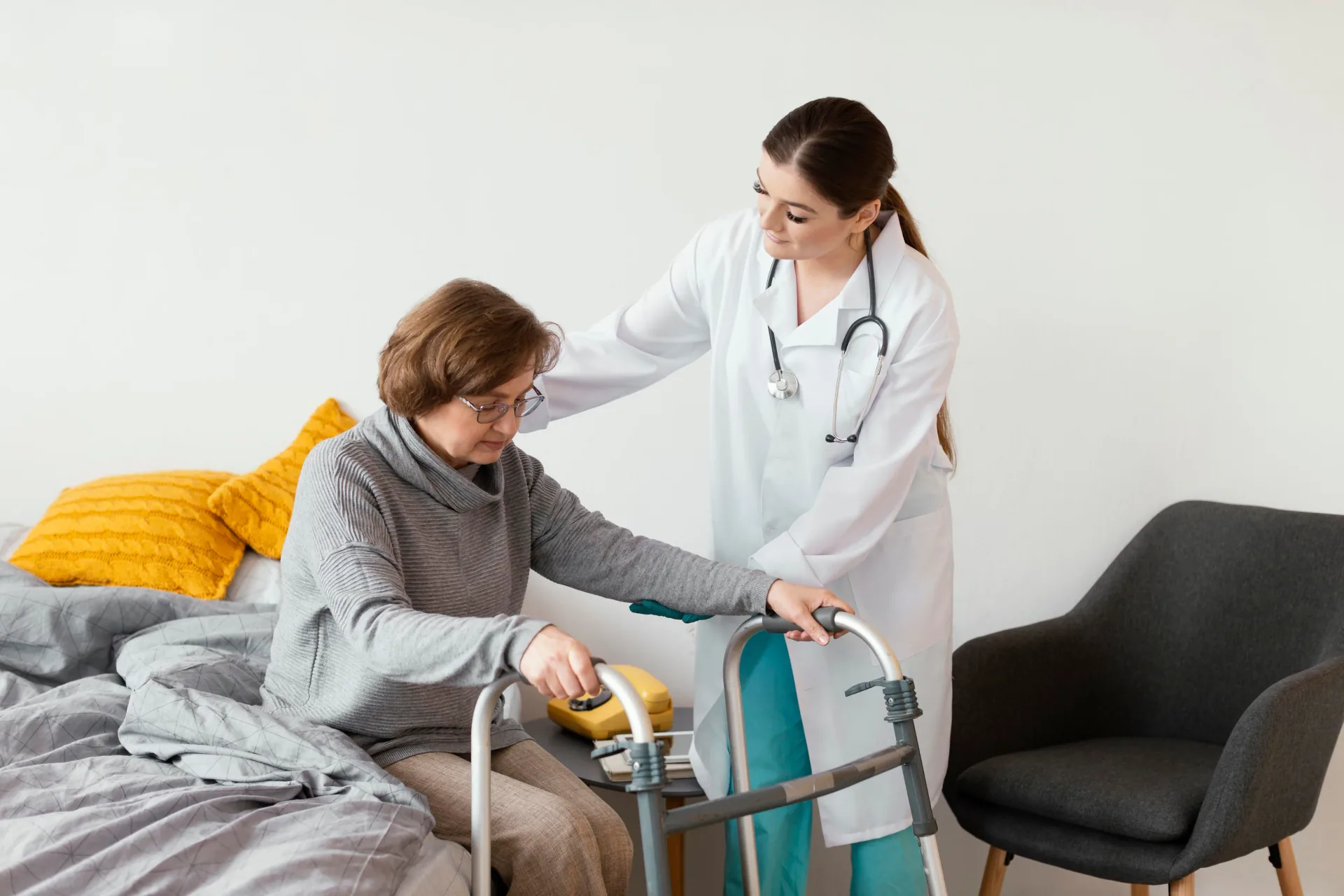
Care worker supporting an older person with mobility
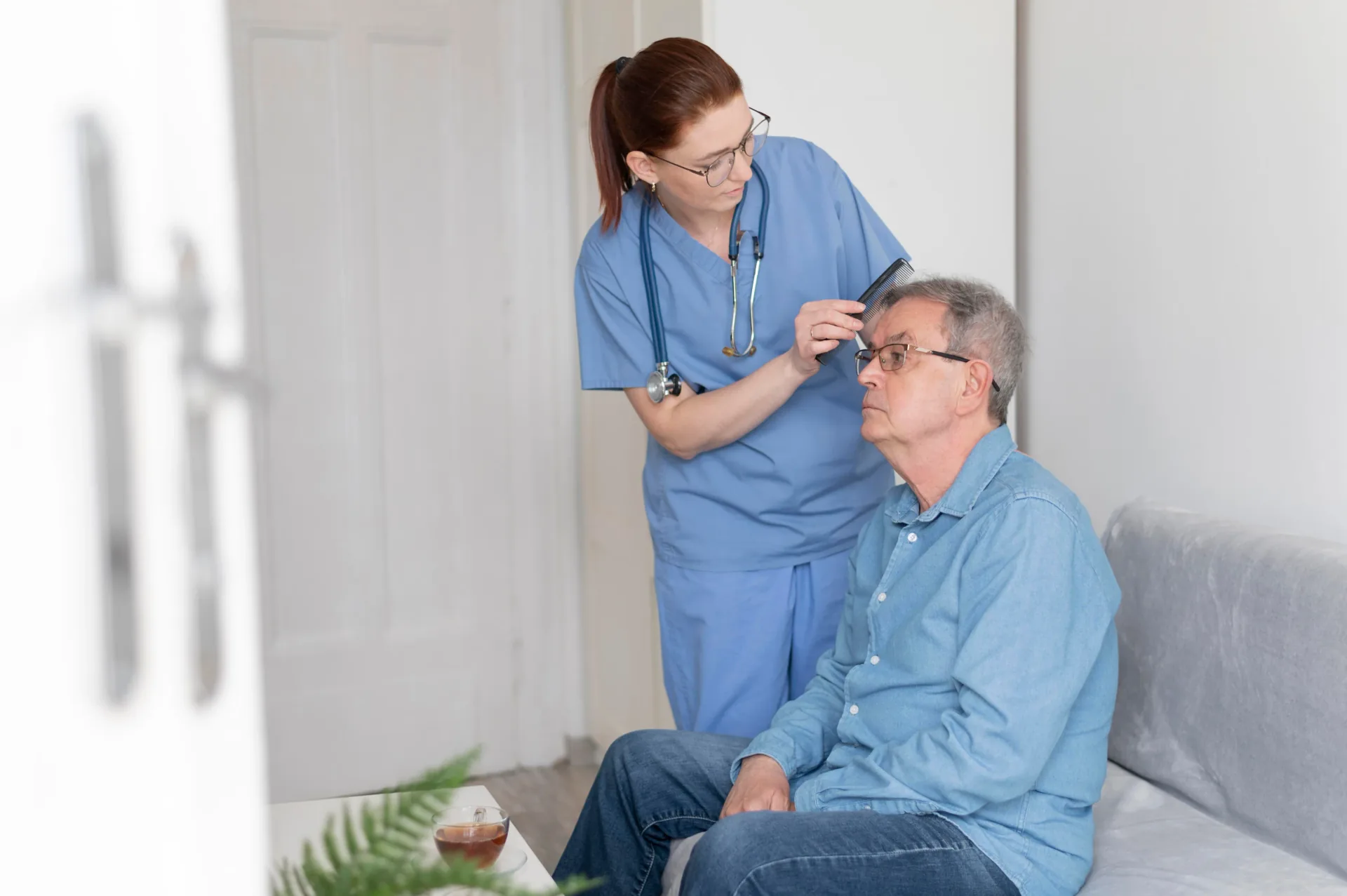
Nurse providing mental health support at home

Our approach is rooted in recovery; we believe that people living with mental health conditions can and do recover, and that recovery is not necessarily about symptom removal but about rebuilding meaning, connection, purpose, and hope. We work in partnership with Community Mental Health Teams (CMHTs), the Avon and Wiltshire Partnership (AWP) NHS Trust, crisis resolution teams, and other healthcare professionals to provide coordinated, evidence-based, compassionate support.

Support Framework

Our Approach: Recovery-Focused and Trauma-Informed

The CHIME Framework

Our approach to mental health support is based on the CHIME framework, which identifies five key elements of recovery from mental health conditions. CHIME stands for Connectedness, Hope and Optimism, Identity, Meaning and Purpose, and Empowerment. These elements are not linear; recovery is not a straightforward journey but a unique, ongoing process for each individual. Our support focuses on nurturing these five elements.

Learn More

Connectedness in Practice

Feeling connected to others, to community, and to social networks is crucial to recovery. Isolation worsens mental health; connection and belonging promote recovery. We support you to maintain and build meaningful relationships by actively facilitating social activities, supporting community engagement, encouraging participation in groups or services that matter to you, helping you stay in contact with people important to you, and providing genuine companionship during care visits. We recognise that connection includes acceptance and non-judgement; we meet people where they are without shame or stigma.

Learn More
Hope and Optimism in Practice

Recovery requires hope for the future and belief that things can improve. When someone is depressed, they may struggle to see any possibility of improvement. We believe in your capacity for recovery, even when you may not believe it yourself. We actively foster hope by celebrating strengths and past achievements, encouraging engagement with activities, supporting you towards goals, sharing stories of recovery where appropriate, and helping you reconnect with sources of meaning and purpose.

Identity Beyond the Diagnosis

Mental illness can become all-consuming, but you are not defined by your diagnosis. A strong sense of identity beyond the mental health condition is important to recovery. We support you to reconnect with your identity by exploring your strengths, values, and interests, supporting participation in activities and roles that matter to you, recognising your skills and capabilities, and helping you maintain or rebuild aspects of yourself that feel important to you.

Meaning and Purpose

Recovery involves rebuilding meaning and purpose. This might include work, volunteering, creative pursuits, caring for others, spiritual practices, learning, hobbies, or other activities. We support you to identify what brings meaning to your life and work towards activities and goals that are meaningful to you. We help you explore what matters, support you towards meaningful activity, and celebrate progress and achievements.

Empowerment in Recovery

Recovery requires agency and control over your own life. You are the expert in your own experience. We work collaboratively with you, respecting your choices and supporting you to take control of your recovery journey. Empowerment means you make decisions about your care, your support, and your life direction, even when those decisions might be different from what professionals might recommend.

Learn More
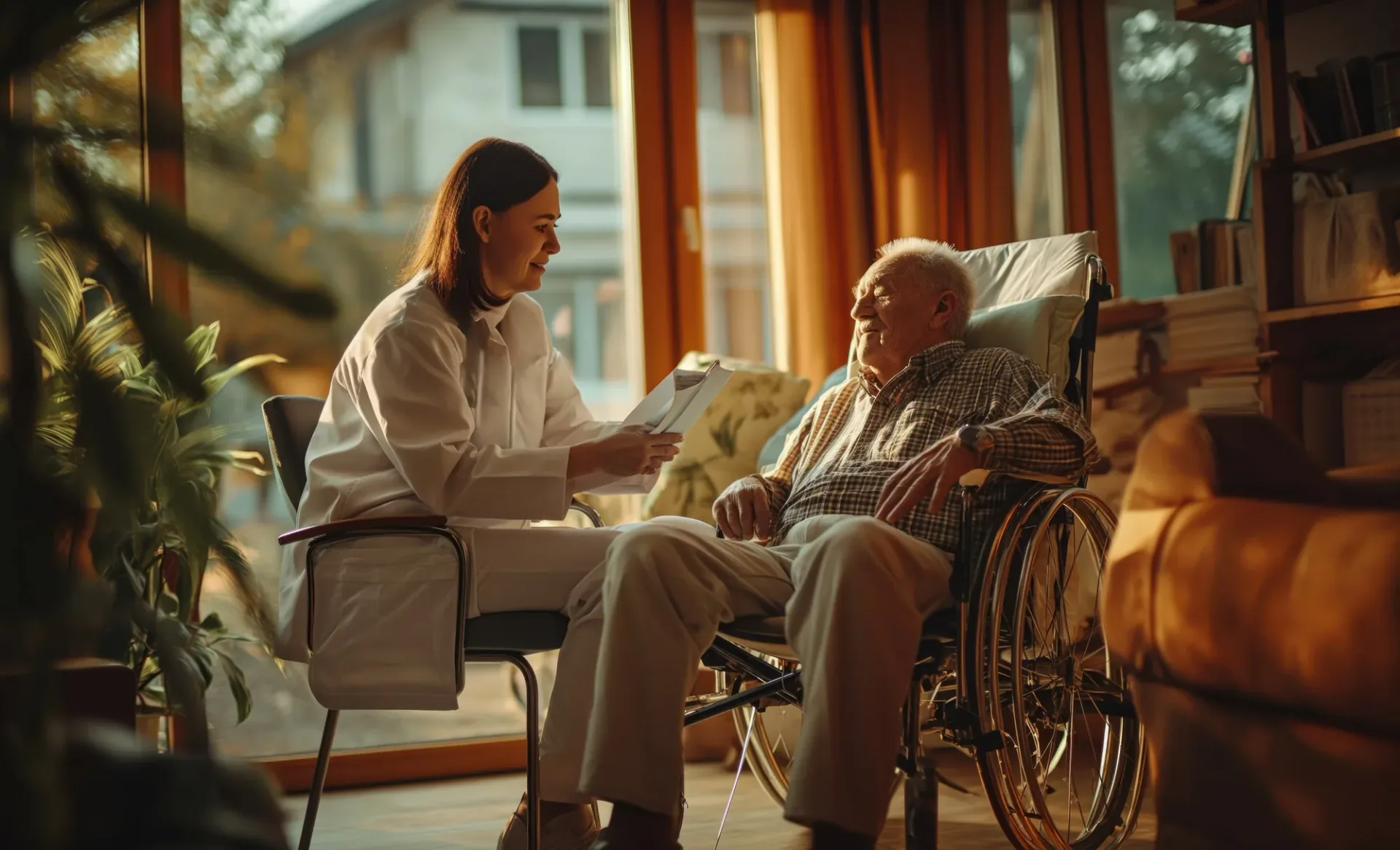
Care worker speaking calmly with an older person at home
Care Approach

Trauma-Informed Care

Many people with mental health conditions have experienced trauma. Trauma can be devastating, affecting how people relate to others, how they regulate their emotions, and how they experience safety. Trauma-informed care is an approach that recognises the pervasiveness and impact of trauma and integrates knowledge about trauma into all aspects of care. Our care workers are trained in trauma-informed approaches, which include:

Understanding the impact of trauma

We recognise that many symptoms of mental health conditions (flashbacks, hypervigilance, emotional dysregulation) may be trauma responses.

Promoting safety

We work to ensure you feel physically and emotionally safe, recognising that safety is a prerequisite for recovery.

Trustworthiness:

We are honest, consistent, and transparent in our interactions with you.

Collaboration

We work collaboratively, respecting your expertise in your own experience.

Peer support

We recognise the value of connection with others with lived experience of trauma and mental health conditions.

Empowerment

We support your agency, choices, and strengths.

Cultural sensitivity

We recognise that trauma and mental health are experienced differently across cultures and honour cultural identities.

Areas of Support

What Mental Health Conditions We Support

We provide specialist support across a wide spectrum of mental health conditions. This includes:

Depression

Ranging from mild to severe, reactive (triggered by life events) or endogenous (arising without obvious trigger). We support single episodes, recurrent depression, and treatment-resistant depression.

Anxiety Disorders

Including generalised anxiety disorder, social anxiety, agoraphobia, panic disorder, and health anxiety. We support symptom management and help rebuild confidence and independence.

Schizophrenia and Other Psychotic Disorders

Including schizoaffective disorder, delusional disorder, and first-episode psychosis. We support symptom management, medication adherence, relapse prevention, and maintaining connections and functioning.

Bipolar Disorder

Characterised by episodes of depression and elevated mood (mania or hypomania). We support mood stability, medication adherence, relapse prevention, and recovery during depressive episodes.

Personality Disorders

Including borderline personality disorder, avoidant, narcissistic, and other personality patterns. We provide long-term support, emotional regulation strategies, and relationship support.

Post-Traumatic Stress Disorder (PTSD)

Following trauma, accidents, abuse, or other serious events. We provide trauma-informed support, emotional regulation, and help with trauma processing.

Obsessive-Compulsive Disorder (OCD)

Characterised by intrusive thoughts (obsessions) and repetitive behaviours (compulsions). We support reducing compulsions safely and managing distressing thoughts.

Eating Disorders

Including anorexia, bulimia, binge eating disorder, and other eating difficulties. We provide nutritional support, emotional support, and coordination with specialist eating disorder services.

Substance Use Disorders

Alongside mental health conditions, we support people in recovery from substance misuse and work with addiction services.

Dual Diagnosis

When mental health conditions co-occur with learning disabilities, personality difficulties, or other conditions, we provide integrated support addressing all aspects of the person's needs.

Wellness Recovery Action Plans (WRAPs)

A Wellness Recovery Action Plan (WRAP) is a personal plan, developed by someone with lived experience of mental health conditions, that describes their wellness, their triggers, their early warning signs of relapse, and the strategies and supports they need.

WRAPs are not clinical documents; they are personal, practical plans written in the person's own words. We actively support the development and implementation of WRAPs. Our care workers will be familiar with your WRAP and will support you to use the strategies and access the supports identified in it.

Care professional discussing a wellness recovery action plan

Crisis Planning and Support

Mental health crises can be frightening and overwhelming. We work with you in advance to develop a crisis plan that describes what a crisis looks like for you, what triggers crises, what helps during a crisis, and what support you want. If you do experience a crisis, we will implement your crisis plan, contact your designated support people, and coordinate with emergency services if needed. We also provide a 24-hour out-of-hours support line for crisis support.

Gideon Ogunwale, Nursing Lead RGN/RMN

Gideon Ogunwale

Nursing Lead · RGN/RMN

Our Team

Nursing Expertise and Qualifications

Our Nursing Lead, Gideon Ogunwale (RGN/RMN), brings specialist nursing expertise to our mental health support. As a Registered General Nurse and Registered Mental Health Nurse, Gideon understands mental health conditions, their physical health implications, medication management, and crisis intervention. Gideon provides clinical oversight of all mental health support, ensuring it meets professional nursing standards and best practice guidance.

All our care workers receive mental health awareness training and ongoing development in evidence-based approaches such as motivational interviewing, collaborative problem-solving, and de-escalation techniques.

Learn More
Our Services

What We Offer

Tailored care services designed to support your health, independence and daily living

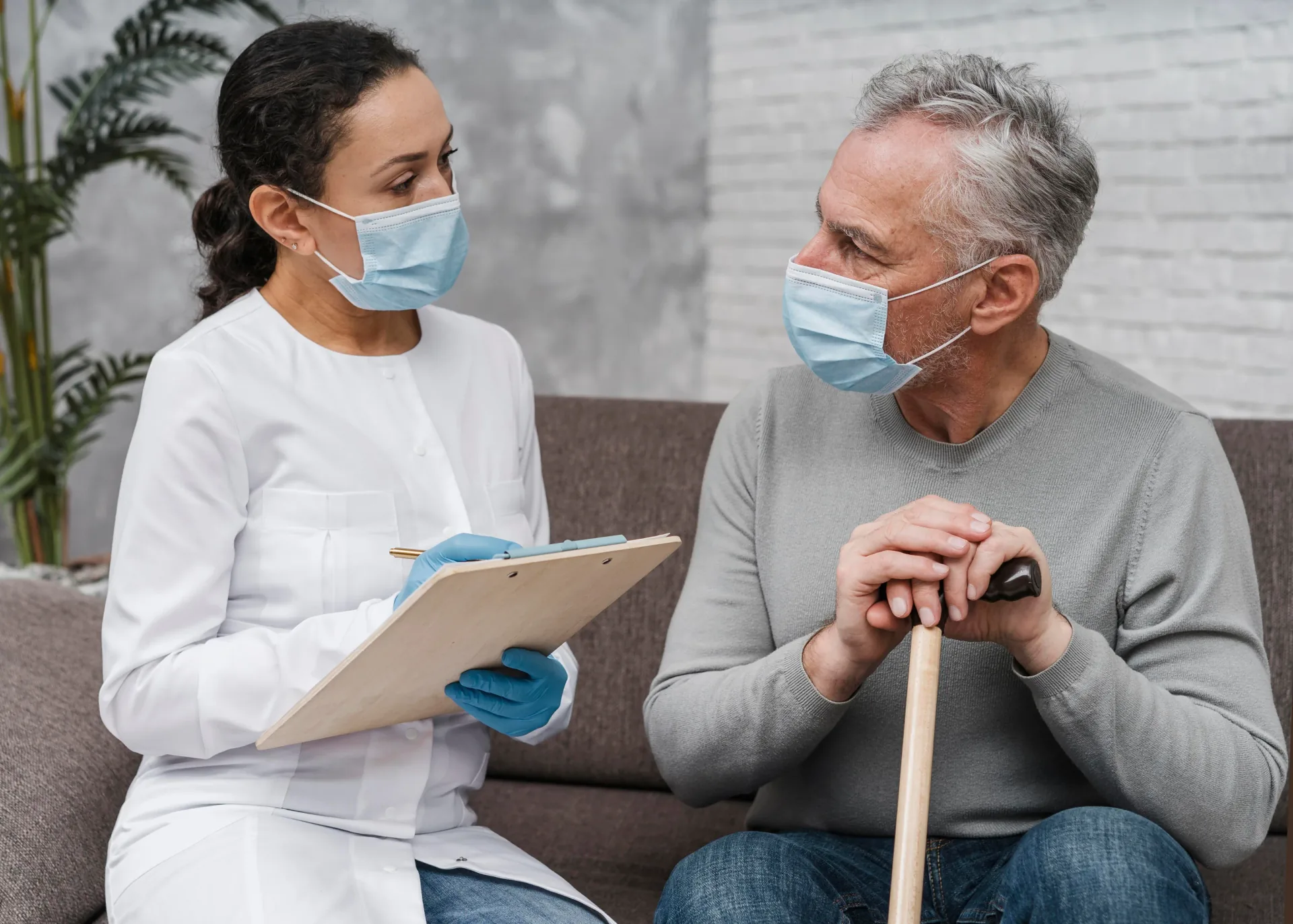
Care worker speaking with an older woman at home

Supporting Dual Diagnosis and Co-occurring Conditions

Many service users experience mental health conditions alongside other conditions such as learning disabilities, autism, personality difficulties, or substance use issues. Supporting dual diagnosis requires integrated, holistic approaches that address all aspects of the person's needs. We work collaboratively with learning disability services, autism specialists, substance use services, and mental health services to provide coordinated support.

We adapt our communication and support approaches to meet each person's individual needs. For example, someone with both autism and anxiety disorder may need support with sensory sensitivities, communication differences, and anxiety management. We take time to understand how different conditions interact and affect the person, and tailor our approach accordingly.

Learn More

Self-Harm and Suicide Prevention

Self-harm and suicidal thoughts are serious mental health concerns requiring compassionate, professional response. If you are experiencing self-harm or suicidal thoughts, this is not a sign of weakness or failure; it is a sign that you are in pain and need support. We take self-harm and suicide risk seriously. We work with you to develop a safety plan identifying triggers, coping strategies, and what to do in crisis.

We support you to access appropriate mental health services including crisis teams, accident and emergency if needed, and crisis support services. We do not judge you; supporting people through crisis is part of mental health care. If you are having thoughts of suicide, please reach out to your care worker, your mental health team, or call the Samaritans (116 123, 24 hours, free) or Crisis Text Line for immediate support.

Recovery and Reablement Following Mental Health Crisis

Mental health crises can be frightening and overwhelming, but recovery is possible. Following a crisis, people often need intensive support to rebuild confidence, reconnect with activities and relationships, stabilise medication, and rebuild meaning and purpose. We provide structured reablement support focused on helping you move from crisis to recovery. This might include supporting daily routine, helping you reconnect with activities, supporting medication adherence, providing emotional support, helping you rebuild social connections, and working towards goals. Recovery from mental health crisis is not linear, but with appropriate support, most people do recover and rebuild their lives.

Emotional and Psychological Support

Being present, listening, and providing emotional support during difficult times. Helping you process difficult emotions and experiences.

Practical Disability Support

Help with personal care, domestic support, meal preparation, and other practical tasks. When depression or anxiety makes basic self-care impossible, we can help.

Medication Support

Ensuring you take your medications as prescribed, monitoring for side effects, and liaising with your GP or psychiatrist about concerns.

Social Connection and Companionship

Combating isolation by providing genuine companionship, supporting social activities, and helping you maintain relationships.

Routine and Structure:

Supporting a daily routine that promotes wellness (sleep, nutrition, physical activity, meaningful activity).

Crisis Support and De-escalation

Being present during crises, implementing your crisis plan, and coordinating with mental health services as needed.

Encouragement and Motivation

Supporting you towards activities and goals, building your confidence, and celebrating successes.

Signposting and Coordination

Connecting you with other services (talking therapies, peer support, support groups, specialist services) and coordinating care with your Community Mental Health Team.

Reablement and Recovery Support

Supporting you to rebuild skills, confidence, and independence following a period of ill-health.

Working with AWP NHS Trust and Mental Health Services

We work in close partnership with the Avon and Wiltshire Partnership (AWP) NHS Trust, which provides mental health services across Swindon and the wider region. We liaise regularly with Community Mental Health Teams, crisis resolution teams, and other mental health services. This partnership ensures seamless, coordinated care and allows us to access specialist advice and support when needed.

FAQ

Frequently Asked Questions About Dementia Care at Home

Ten questions families often ask — answered with honesty and care.

Care Partnerships

Working with Community Mental Health Teams and NHS Services

We do not work in isolation. We are part of a wider mental health system including Community Mental Health Teams, crisis resolution teams, accident and emergency, inpatient psychiatric services, talking therapy services, and specialist services. We maintain close working relationships with these services, share information appropriately, and coordinate care.

If you are not already in contact with mental health services and would benefit from assessment or support, we can help you access services. We understand that domiciliary care is one part of overall mental health support; healthcare professionals, talking therapists, peer support, and other services all play important roles in recovery. We work collaboratively with all these services.

Medication Support

Understanding Medication in Mental Health

Many mental health conditions are effectively managed with medication. Medications used in mental health include antidepressants, anti-anxiety medications, antipsychotics, mood stabilisers, and others. We support medication adherence, ensuring you take your medications as prescribed. We help you understand what your medications do, watch for side effects, and communicate concerns to your GP or psychiatrist.

We recognise that medication decisions are yours to make; we do not pressure you to take medications you do not want, though we do encourage engagement with healthcare professionals about medication decisions. Some people find medication helpful; others prefer non-medication approaches. We respect your preferences and support whatever approach you choose.

Peer Networks

Peer Support and Lived Experience

Peer support, connecting with other people who have lived experience of mental health conditions, can be powerfully healing. Peer support recognises that understanding from someone who has been through similar experiences is valuable and unique. We can signpost you to peer support services, peer-led support groups, and online communities if you are interested. Many people find that connecting with others who understand their experience reduces shame and isolation and builds hope for recovery. We respect and celebrate lived experience expertise.

Wellbeing Skills

Building Resilience and Coping Skills

Recovery from mental health conditions involves building resilience and developing coping skills for managing difficult emotions and situations. We support you to identify what helps you cope, such as exercise, time in nature, creative activities, time with friends, etc., and to engage in these activities regularly. We support development of coping strategies for managing anxiety, depression, distressing thoughts, or other symptoms.

We encourage engagement with talking therapies such as cognitive behavioural therapy (CBT), acceptance and commitment therapy (ACT), or other evidence-based therapies that help develop coping skills. We support you to identify your strengths and resources and to build on these. Recovery is not about eliminating difficult emotions but about developing the skills to manage them and maintain a meaningful life despite them.

How to Get in Touch

If you would like to discuss care within your location, we would be delighted to hear from you. Please contact us:
Our team is available to answer your questions and arrange a convenient time to discuss your care needs in detail.