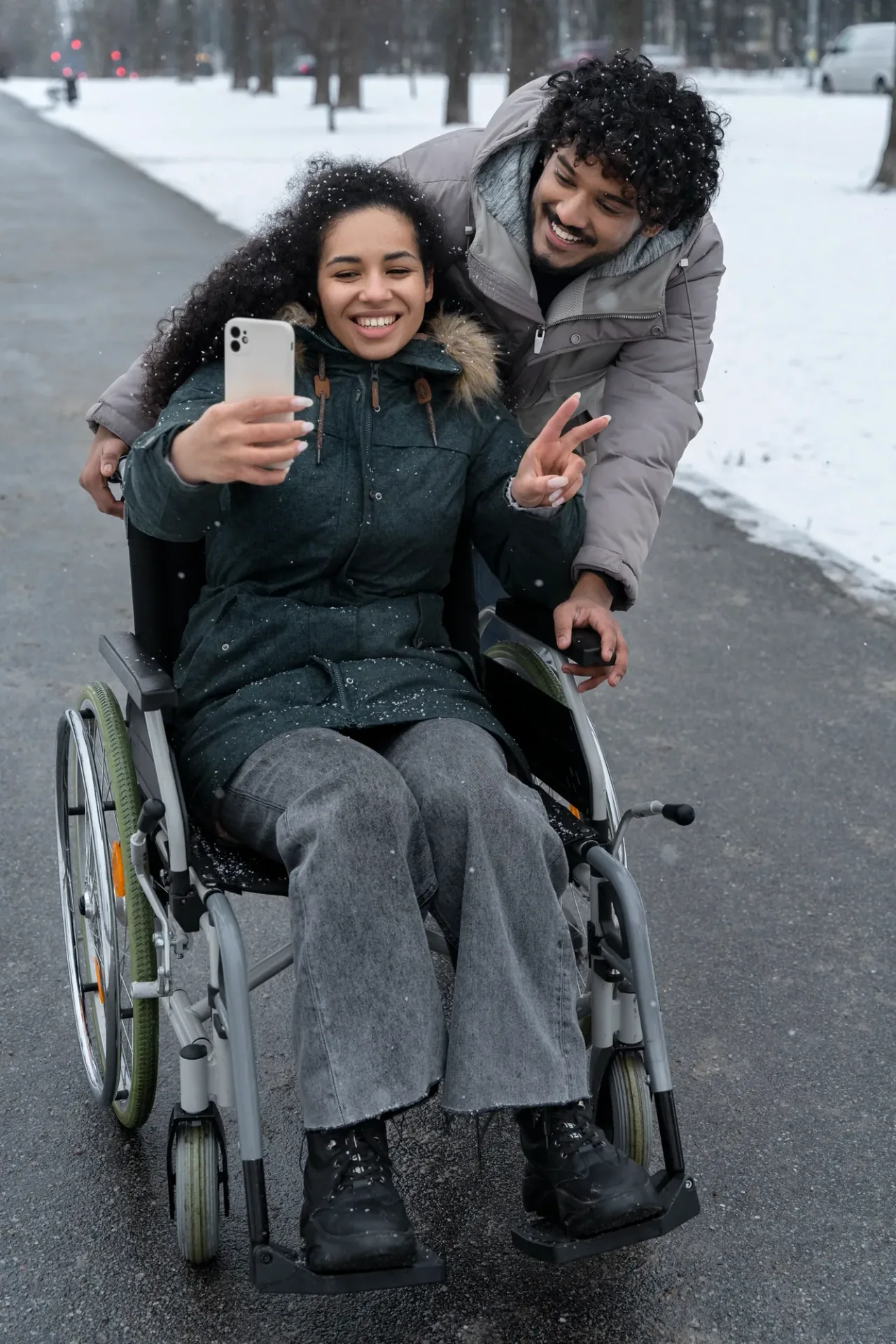
Reablement following hospital discharge:
Intensive support to rebuild strength, mobility, and independence.
A person's physical disability is not a defining characteristic; it is one aspect of who they are. At Earnest Support Care Ltd, we provide specialist support to adults in Swindon living with a wide range of physical disabilities, enabling them to remain in their own homes, maintain independence, participate in community, and live lives of dignity and purpose.
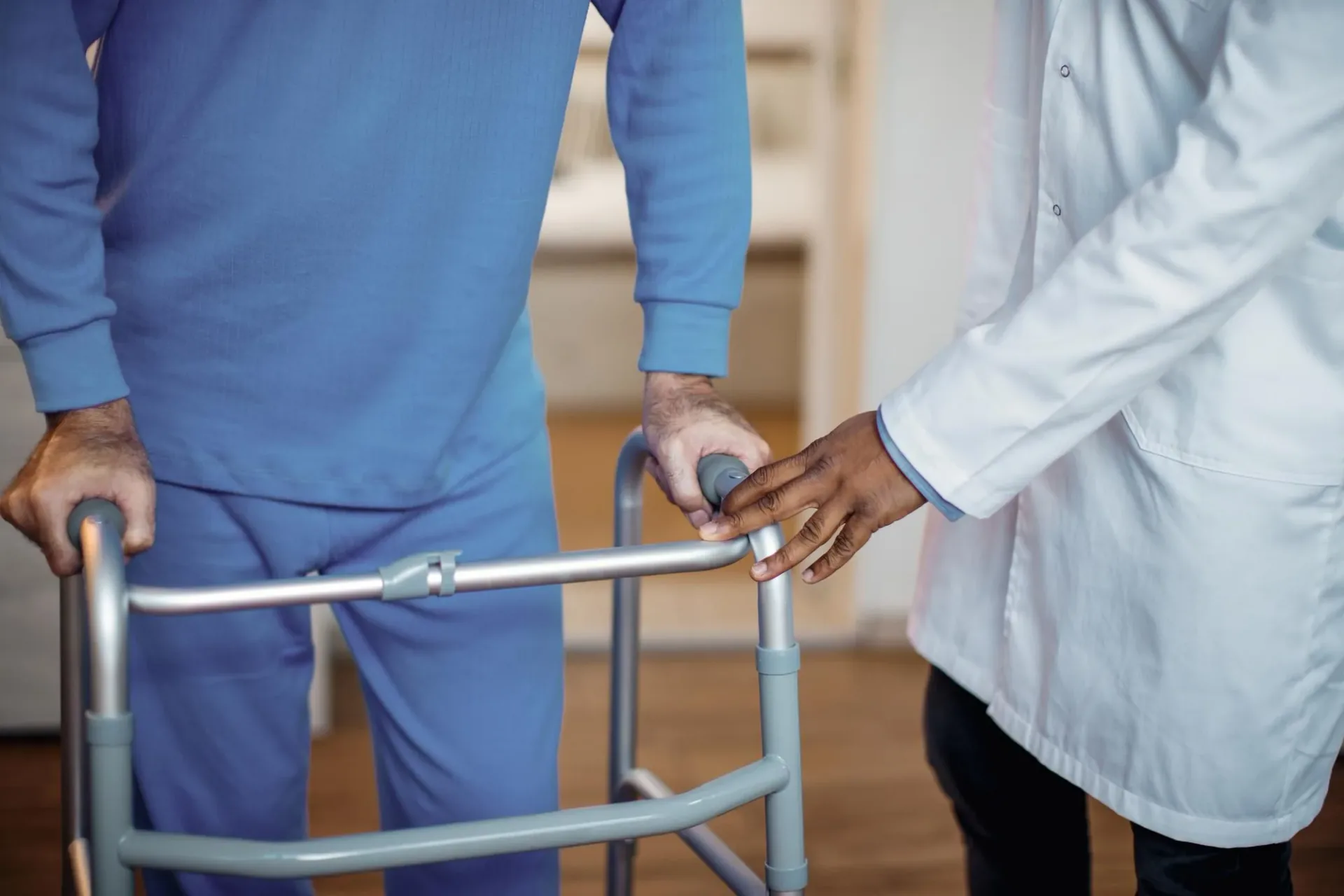
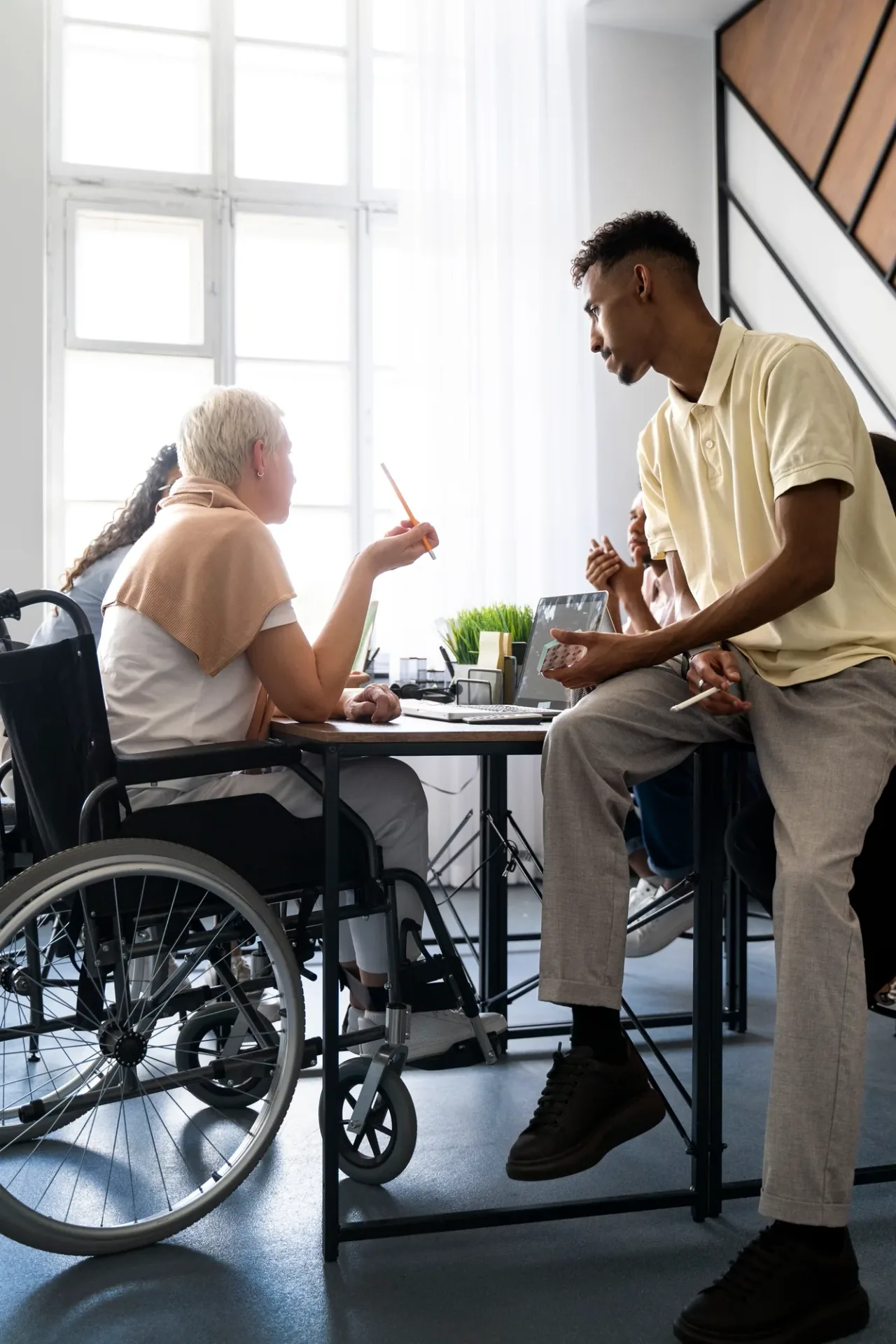
Good support for people with physical disabilities involves:
Close collaboration with occupational therapists and physiotherapists, who understand the rehabilitation and functional potential.
Understanding the specific condition and its impact on the person's functioning and participation.
Removing environmental and attitudinal barriers, enabling participation.
Ensuring access to necessary aids and equipment, and training in their safe use.
Supporting rehabilitation, strength, and functional improvement.
Promoting independence and autonomy, rather than dependence.
Supporting the person's goals and aspirations, whatever these may be.
Recognising the person's expertise in their own condition and needs.
Providing clinical expertise through our Nursing Lead (RGN/RMN), Gideon Ogunwale, for health-related needs.
Strokes can result in significant impairment, including weakness or paralysis of one side of the body, difficulty with speech or understanding, visual problems, cognitive changes, or swallowing difficulties. The recovery process is highly variable; some people recover significantly whilst others have lasting disability. We provide support throughout the recovery journey, from the acute phase following discharge from hospital through to the longer-term adjustment to living with stroke-related disability.
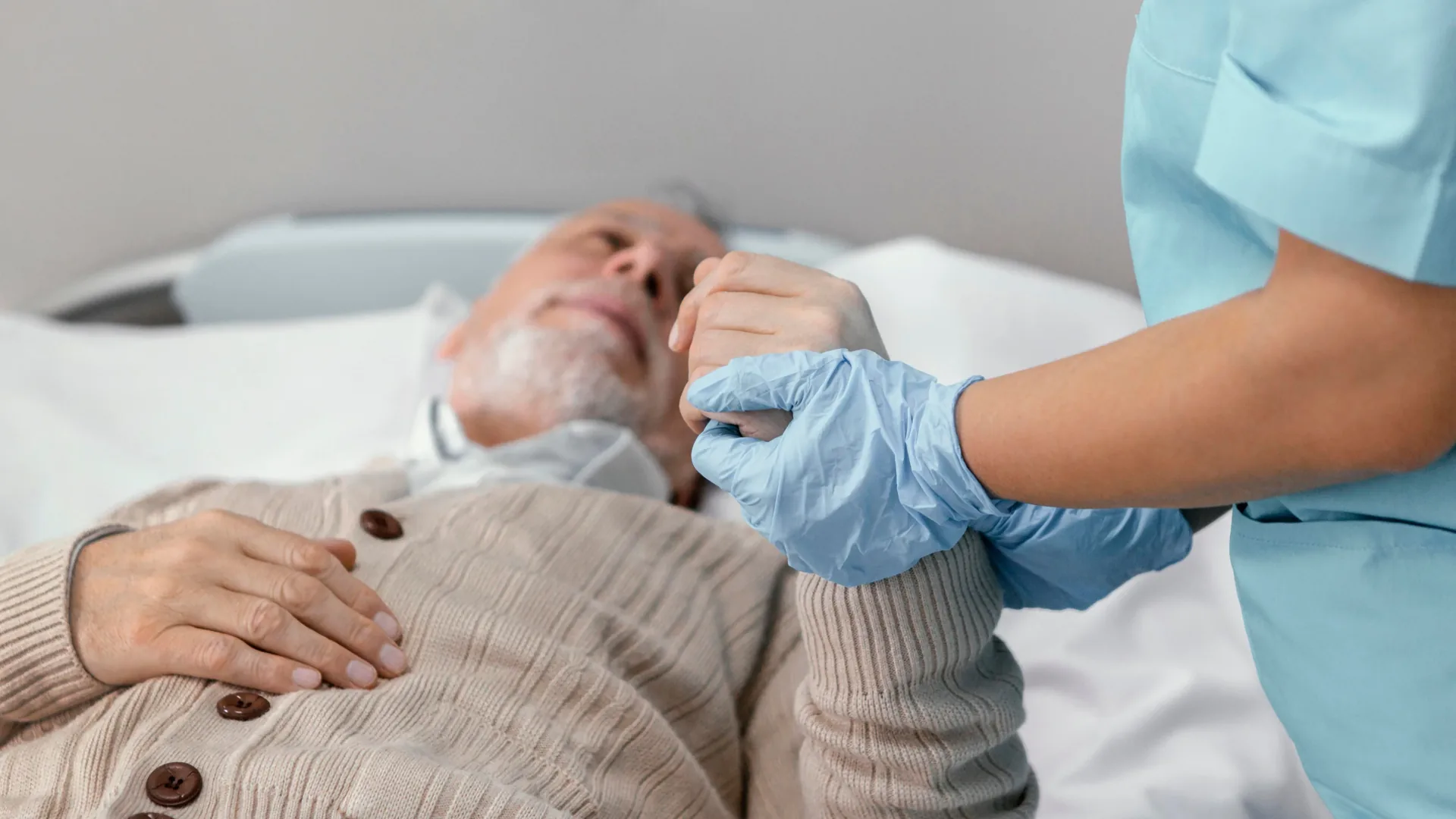
Intensive support to rebuild strength, mobility, and independence.
Working with physiotherapists and occupational therapists to maximise recovery and functional ability.
Working with physiotherapists and occupational therapists to maximise recovery and functional ability.
For people with aphasia (speech difficulties) or dysarthria (slurred speech), we can use visual supports, simple language, and alternative communication methods.
If swallowing is affected, we ensure safe eating and drinking, follow recommendations from speech and language therapy, and monitor for aspiration.
Many stroke survivors experience continence difficulties; we provide discreet, respectful support.
Adjusting to disability following stroke is challenging; we provide emotional support and help prevent depression.
Safe transferring using correct techniques and equipment.
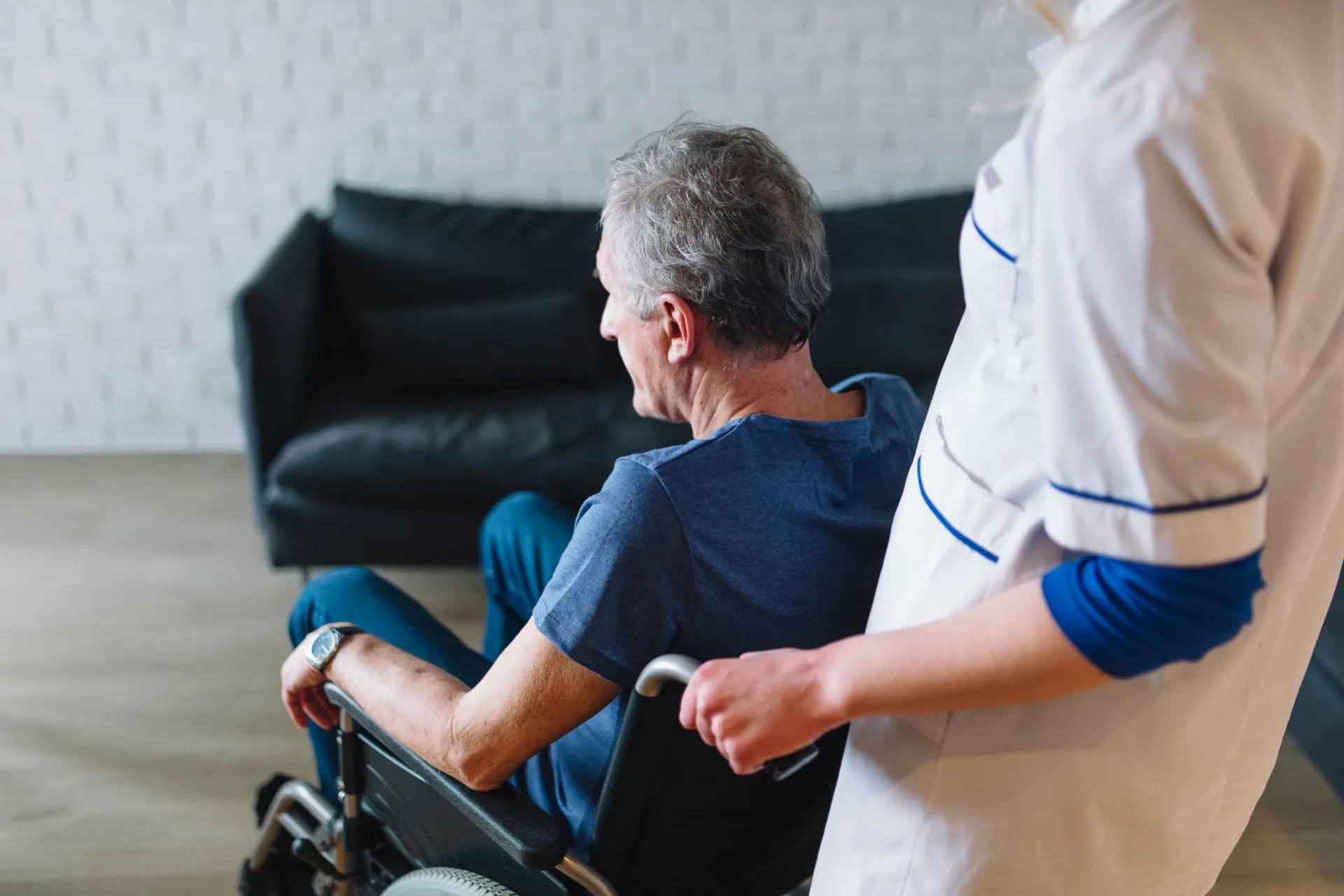
Parkinson's can also affect mood, cognition, and non-movement symptoms (sleep, constipation, orthostatic hypotension). The course of Parkinson's is highly variable; some people remain relatively stable for many years whilst others experience more rapid progression. We provide support that adapts as the condition evolves.
Medication timing is crucial in Parkinson's; missing doses or taking medications late can significantly affect functioning. We ensure medications are taken on time and monitor their effectiveness.
Supporting safe walking, transfer, and transfers using appropriate techniques and equipment.
Using movement strategies (cueing techniques, music, visual markers) that can help people with Parkinson's move more fluidly.
Working with Parkinson's specialists, neurologists, and other professionals involved in care.
Supporting sleep difficulties, constipation, orthostatic hypotension, and cognitive changes.
Parkinson's increases fall risk; we implement falls prevention strategies and provide protective equipment.
Speech can be affected in Parkinson's; we ensure clear communication and provide support if speech becomes difficult.
Parkinson's can lead to depression and anxiety; we provide emotional support and ensure access to mental health services.
Symptoms may include fatigue (often severe), mobility difficulties, weakness, numbness, vision problems, cognitive changes, and emotional difficulties. MS can follow different courses: relapsing-remitting (most common, with relapses and remissions), progressive (gradually worsening), or secondary progressive. We provide flexible, responsive support that adapts to changes in MS symptoms and disability.
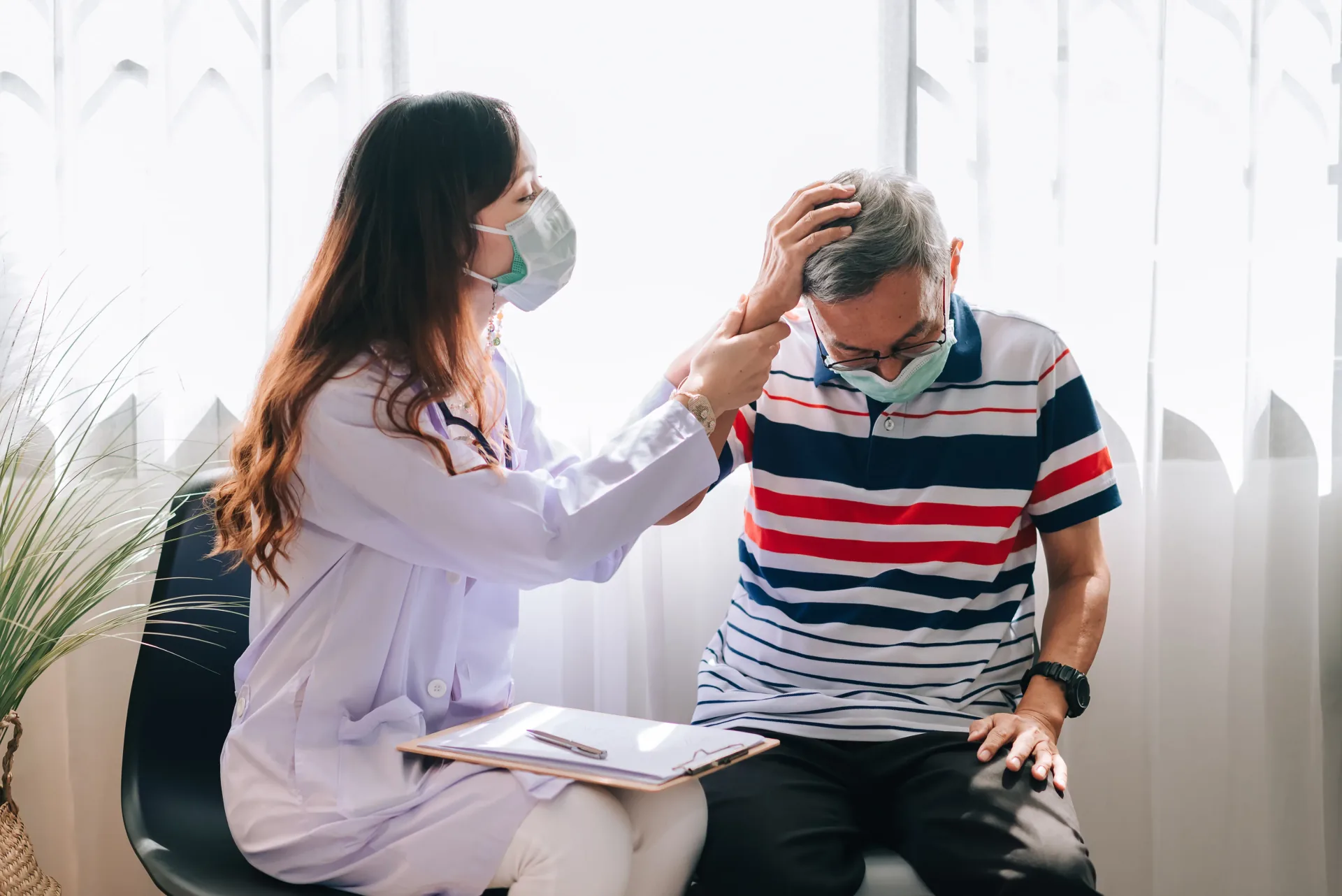
MS-related fatigue is distinct from normal tiredness. We support energy conservation strategies, pacing, and regular rest breaks.
As mobility may fluctuate day-to-day, we provide flexible support and use assistive equipment.
Heat can worsen MS symptoms; we support staying cool and managing heat sensitivity.
MS can affect concentration, memory, and executive functioning; we support memory aids and structured routines.
Many people with MS experience bladder and bowel difficulties; we provide respectful support.
Disease-modifying therapies and symptom management medications require careful adherence and monitoring.
During relapses, we provide intensive support to maintain safety and wellbeing.
MS can lead to depression and anxiety; we provide emotional support.
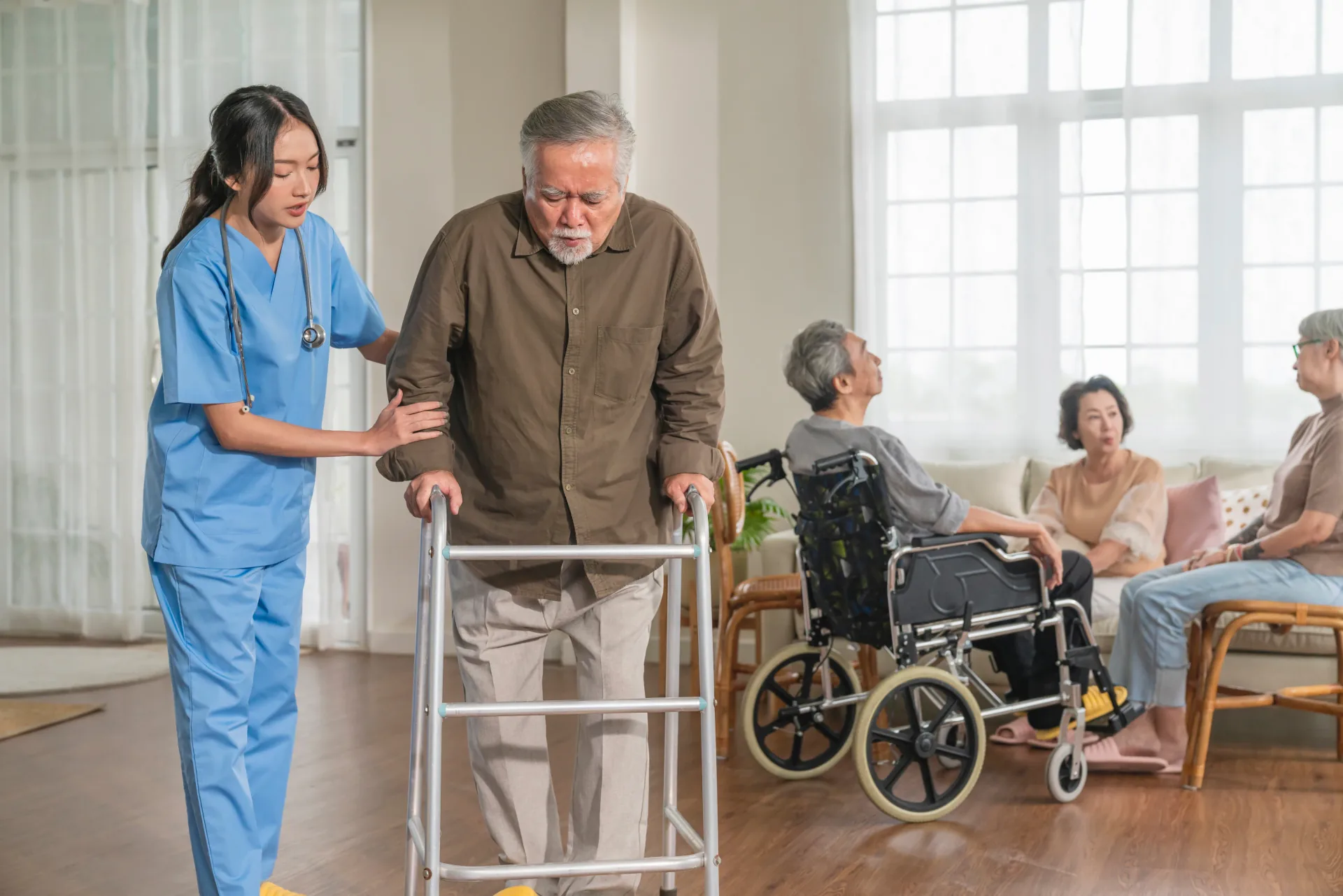
People with arthritis may struggle with everyday tasks like opening jars, gripping objects, walking, or climbing stairs. We provide support to manage pain, maintain or improve mobility, and enable participation in valued activities.
Helping identify pain triggers, using heat and cold therapy, supporting medication use, and encouraging gentle movement.
Using adaptive equipment, energy conservation techniques, and ergonomic modifications.
Supporting gentle exercise to maintain flexibility and strength.
Using grab handles, jar openers, ergonomic utensils, and other devices to reduce strain.
Maintaining participation in valued activities through adaptive techniques or equipment.
Ensuring anti-inflammatory and other medications are taken as prescribed.
Speech can be affected in Parkinson's; we ensure clear communication and provide support if speech becomes difficult.
Parkinson's can lead to depression and anxiety; we provide emotional support and ensure access to mental health services.
People with spinal cord injury often have significant care needs and have experienced significant life change. We provide comprehensive support enabling independence and community participation despite significant disability.

Supporting continence through scheduled bowel programmes, catheter care, or other management strategies.
People with spinal cord injury are at high risk of pressure ulcers; we implement rigorous prevention strategies.
Safe transfer using correct techniques and equipment; mobility using wheelchairs or other aids.
Supporting stretching and positioning to manage spasticity; coordination with physiotherapy.
Supporting adaptation to disability and working towards independence goals.
Adjustment to disability is challenging; we provide emotional support.
Ensuring access to specialised equipment (standing frames, transfer equipment, pressure-relieving cushions).
Supporting participation in community, work, education, or other valued roles.
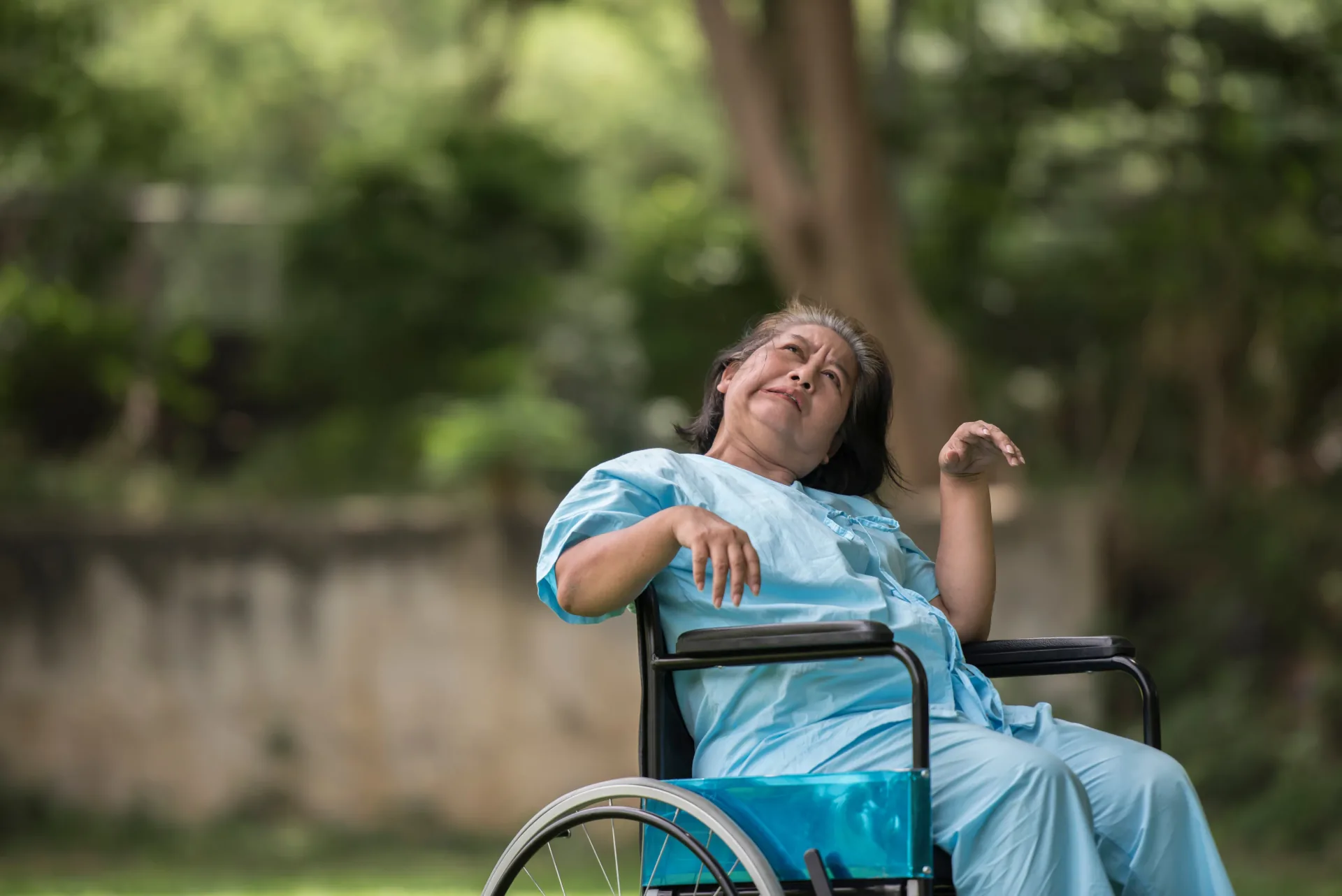
It affects people across a wide spectrum, from mild to profound disability. Some people with cerebral palsy have learning disabilities; many do not. We provide support adapted to each person's specific motor abilities, communication needs, and life goals.
Using positioning, splints, and equipment to support comfortable positioning and prevent contractures.
Using wheelchairs, walking aids, or other equipment; safe transferring using correct techniques.
Adapting communication methods if speech is affected.
Many people with cerebral palsy have epilepsy; we support safe seizure management.
Managing muscle tightness through stretching, positioning, and coordination with physiotherapy or medical management.
Some people experience pain; we support pain management strategies.
Supporting independence in self-care, mobility, and valued activities.
Different types of muscular dystrophy have different rates of progression and different patterns of muscle involvement. We provide support that adapts as the condition progresses, maximising independence and quality of life.
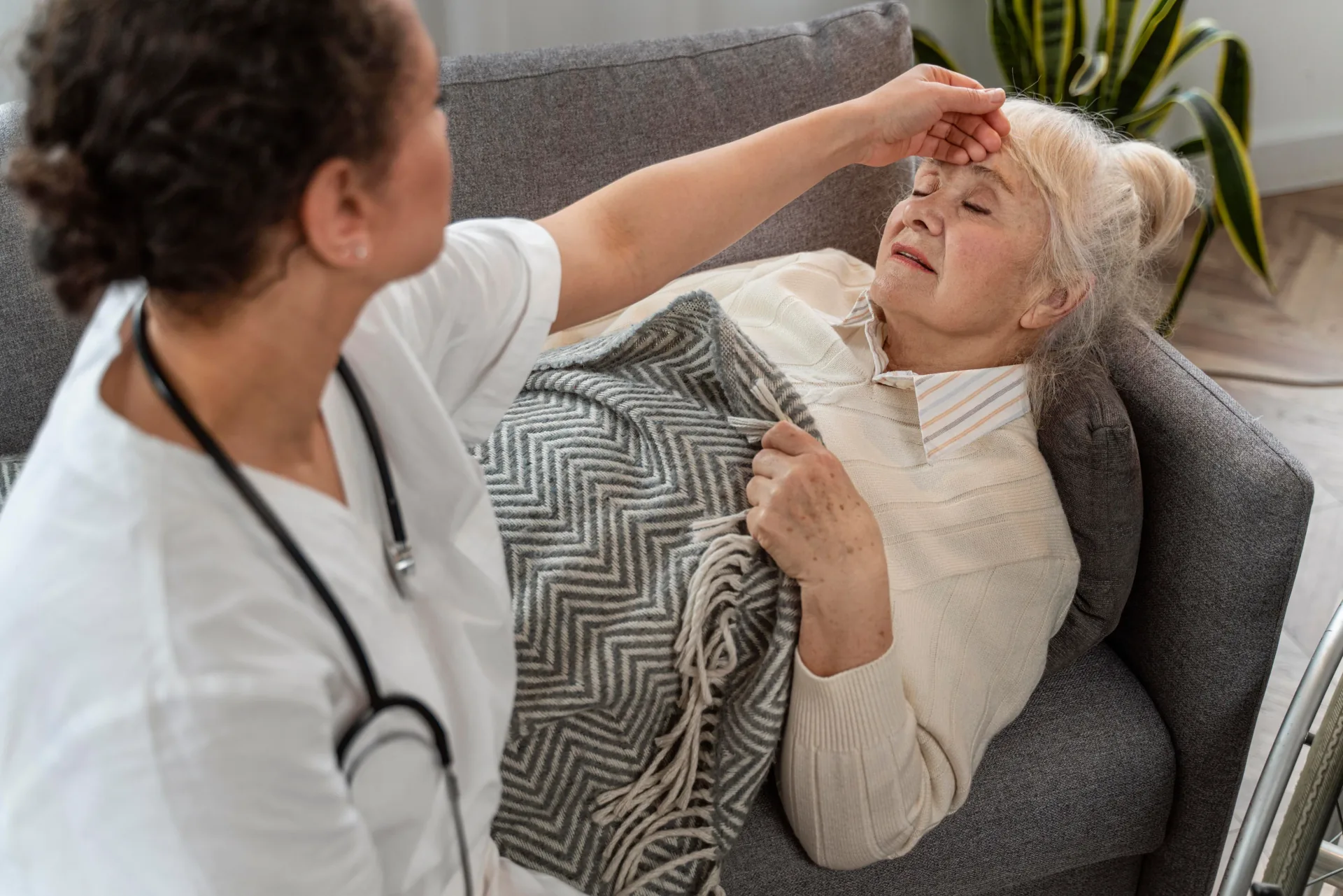
As muscle weakness progresses, we adapt mobility support from walking aids to wheelchairs.
Advanced muscular dystrophy may affect breathing; we monitor and ensure access to respiratory support.
Some types of muscular dystrophy affect swallowing; we ensure safe eating and drinking.
Using positioning and stretching to prevent muscle contractures.
Managing pain that may arise from muscle disease or immobility.
Adjusting to progressive disability is emotionally challenging; we provide support.
Supporting access to genetic counselling and support services.
As the condition advances, we transition to a palliative care approach focused on comfort and quality of life.
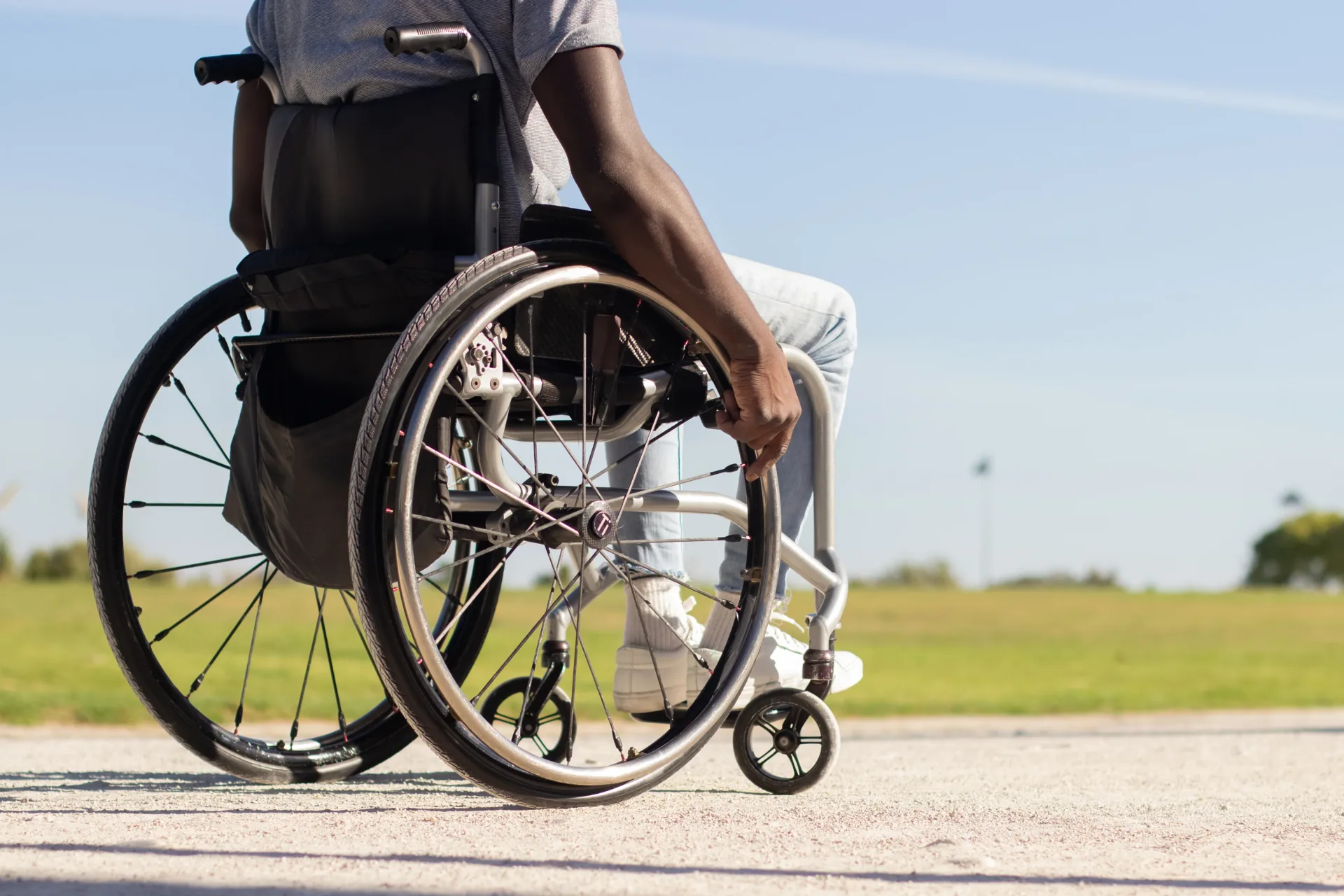
We work closely with occupational therapists and equipment suppliers to identify and source appropriate equipment
Walkers, sticks, wheelchairs, scooters, and other mobility aids.
Bed rails, profiling beds, hoists, shower chairs, commodes, raised toilet seats.
Pressure-relieving mattresses, cushions, and positioning equipment.
Ramps, grab rails, widened doorways, accessible bathrooms, stair lifts.
Visual supports, AAC devices, hearing aids.
Splints, standing frames, stretching equipment.
Adapted cutlery, ergonomic kitchen equipment, labour-saving devices.
Different types of muscular dystrophy have different rates of progression and different patterns of muscle involvement. We provide support that adapts as the condition progresses, maximising independence and quality of life.
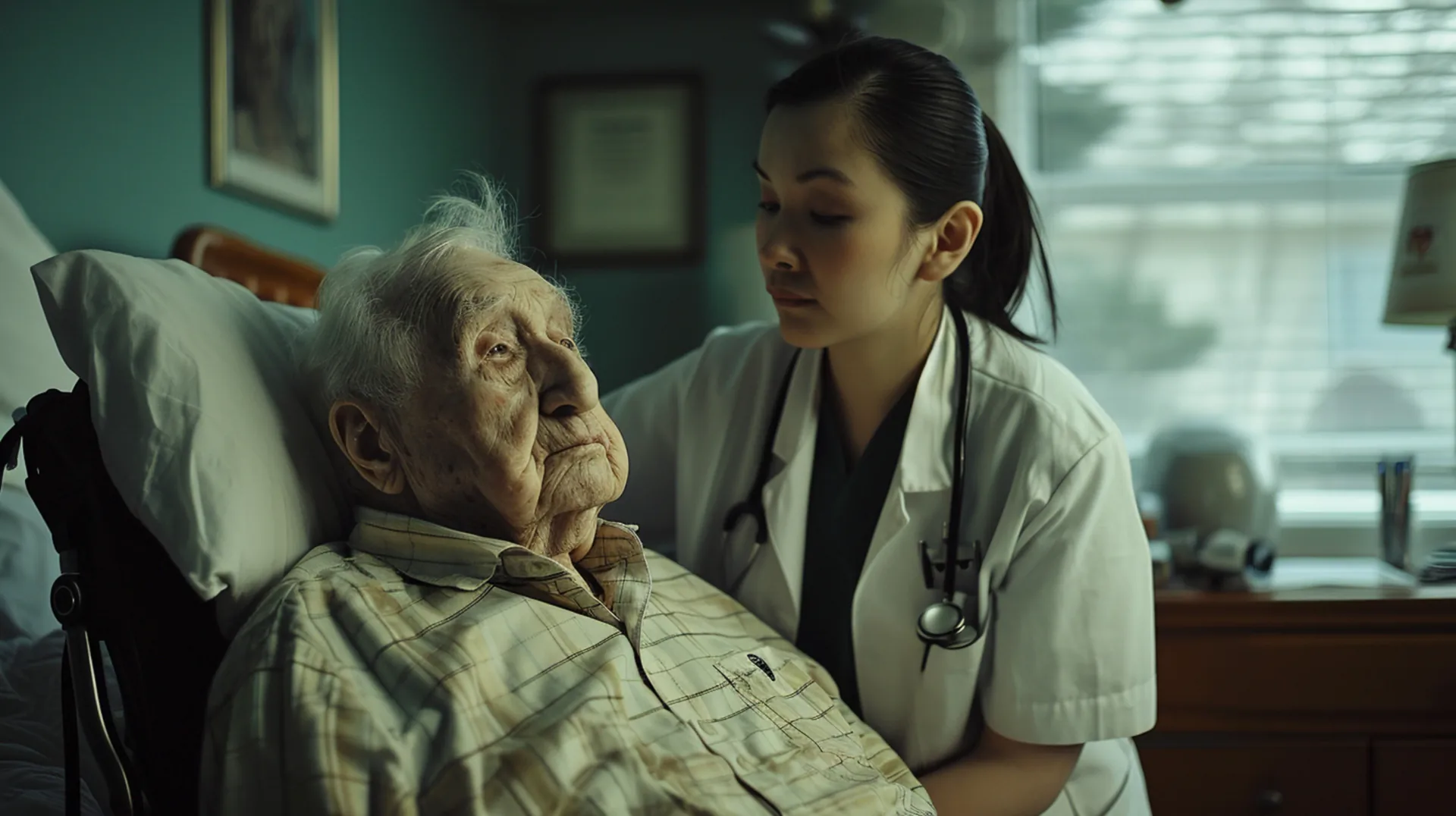
As muscle weakness progresses, we adapt mobility support from walking aids to wheelchairs.
Advanced muscular dystrophy may affect breathing; we monitor and ensure access to respiratory support.
Some types of muscular dystrophy affect swallowing; we ensure safe eating and drinking.
Using positioning and stretching to prevent muscle contractures.
Managing pain that may arise from muscle disease or immobility.
Adjusting to progressive disability is emotionally challenging; we provide support.
Supporting access to genetic counselling and support services.
As the condition advances, we transition to a palliative care approach focused on comfort and quality of life.
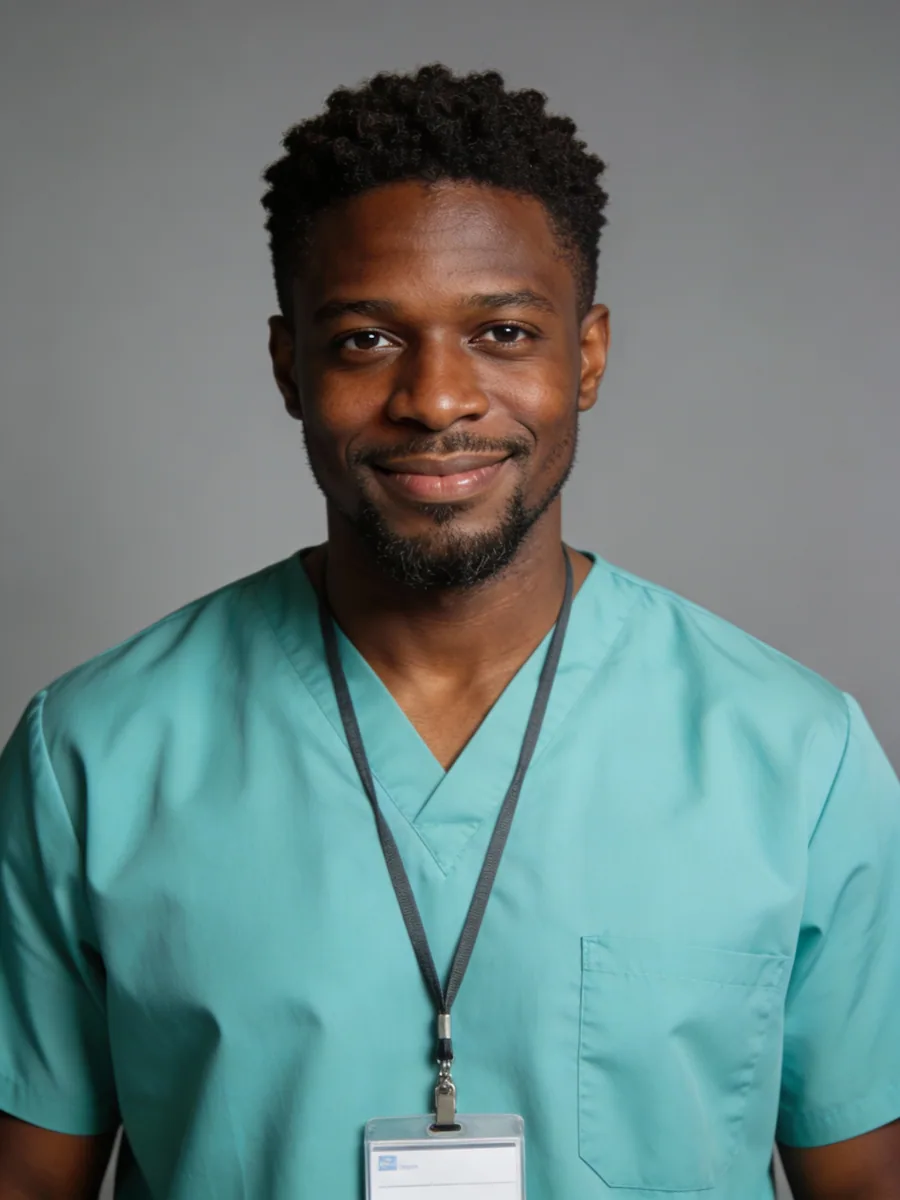
Nursing Lead · RGN/RMN
Gideon Ogunwale (RGN/RMN), brings specialist nursing expertise to our physical disability support. As a Registered General Nurse and Registered Mental Health Nurse, Gideon understands the physical health implications of disability, medication management, wound care, infection prevention, and when to escalate health concerns to healthcare professionals. Gideon provides clinical oversight of all health-related care and ensures all our support meets professional nursing standards.
All our care workers receive mental health awareness training and ongoing development in evidence-based approaches such as motivational interviewing, collaborative problem-solving, and de-escalation techniques.
Ten questions families often ask — answered with honesty and care.

If you would like to discuss care within your location, we would be delighted to hear from you. Please contact us:
Our team is available to answer your questions and arrange a convenient time to discuss your care needs in detail.